Cap-Haïtien: The Historic Paris of the Antilles
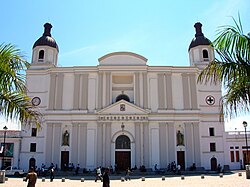
Perched on the northern coast of Haiti, Cap-Haïtien is a city where colonial grandeur meets a revolutionary spirit. Known as the capital of the Nord department, this vibrant commune of approximately 300,000 people has long been a center of wealth, art, and political power. Historically nicknamed "Le Paris des Antilles" (The Paris of the Antilles), the city is celebrated for its sophisticated architecture and its pivotal role in the birth of the Haitian nation.
From its days as the capital of the French colony of Saint-Domingue to its time as the seat of the Kingdom of Haiti, Cap-Haïtien has witnessed the rise and fall of empires. Today, it remains a critical urban hub, blending narrow grid-like streets with a rich tapestry of monuments and natural beauty.
Key Facts
- Founded: 1670 (formally founded as a French capital in 1711).
- Population: 301,506 (as of July 2024).
- Nickname: The Paris of the Antilles.
- UNESCO Sites: The Citadelle Laferrière and Sans-Souci Palace.
- Key Landmark: The largest fortress in the Americas (Citadelle Laferrière).
- Geography: Located in the Nord department at 0m elevation.
A Journey Through History
The history of the region predates the French. Christopher Columbus established his first New World community, La Navidad, on the nearby coast. Later, the Spanish founded Puerto Real in 1503, though it was abandoned by 1578.
By the early 18th century, the French established a dominant presence, creating vast sugar cane plantations worked by tens of thousands of enslaved Africans. Cap-Français (the city's colonial name) became the commercial heart of Saint-Domingue and served as the colony's capital until 1770. By 1790, the population was starkly divided: two-thirds were enslaved, 24% were colonists, and 10% were free people of color.
Following the Haitian Revolution, the city was renamed Cap-Henri and served as the capital of the Kingdom of Haiti under King Henri I until 1820.
The Legacy of the Haitian Revolution
The surrounding landscape is steeped in the struggle for freedom. Bois Caïman is the site of a pivotal 1791 Vodou ceremony led by Dutty Boukman and Cécile Fatiman, which sparked the slave insurrection. This movement eventually led to the Battle of Vertières on November 18, 1803, where Jean-Jacques Dessalines defeated the French army, leading to Haiti's independence in 1804.
Architectural and Natural Landmarks
Cap-Haïtien is surrounded by sites of immense historical and architectural significance. To the southwest lies Milot, the first capital under King Henri Christophe.
The Citadelle and Sans-Souci Palace
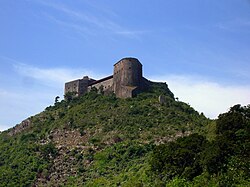
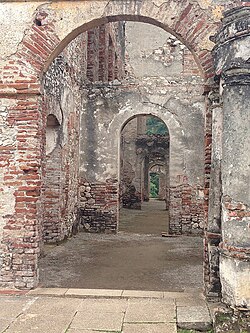
The Citadelle Laferrière is a massive stone fortress bristling with cannons, situated atop a mountain. As the largest fortress in the Americas, it is a UNESCO World Heritage Site. Nearby, the ruins of the Sans-Souci Palace stand as a testament to the luxury of the early Haitian monarchy, though the structure was severely damaged by a massive earthquake in 1842.
Coastal Attractions
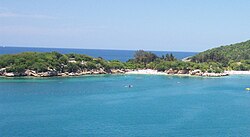
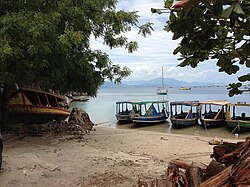
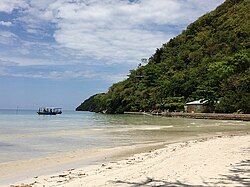
For those seeking leisure, Labadie is a private beach resort leased by Royal Caribbean International. It is a primary driver of tourist revenue for the country, providing employment for hundreds of locals. Other scenic spots include the beaches at Paradis.
City Infrastructure and Modern Life
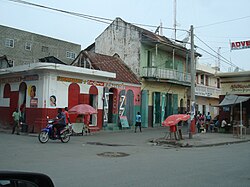
The city's layout reflects various eras of influence. The central grid system, where north-south streets are labeled with letters (A through Q) and east-west streets with numbers (1 to 26), is a legacy of the United States occupation from 1915 to 1934.
In recent years, the city has faced significant challenges. The Cap-Haïtien International Airport became the country's only functioning international gateway in March 2024 after gang violence closed the Toussaint Louverture International Airport in Tabarre. This has led to an influx of migrants from the capital, straining local education and infrastructure.
| Category | Details |
|---|---|
| Department | Nord |
| Commune Area | 53.5 km² (20.7 sq mi) |
| Urban Population | 299,645 |
| Current Mayor | Angie Bell |
| Time Zone | UTC-05:00 (EST) |
Frequently Asked Questions
Why was Cap-Haïtien called the "Paris of the Antilles"?
The city earned this nickname during the colonial period due to its immense wealth, sophisticated artistic life, and grand architecture, which mirrored the elegance of Paris.
What is the significance of the Citadelle Laferrière?
The Citadelle is the largest fortress in the Americas and a UNESCO World Heritage Site. It was built by Henri Christophe to protect the newly independent Haiti from potential French reinvasion.
What happened at Bois Caïman?
Bois Caïman was the site of a secret Vodou ceremony on August 14, 1791, led by Dutty Boukman. This event is credited with triggering the start of the Haitian Revolution.
How does the city's street naming system work?
Due to the U.S. occupation (1915–1934), the central city uses a grid where north-south streets are named with letters (A-Q) and east-west streets are numbered (1-26).
What is the current status of the Cap-Haïtien International Airport?
It is the second busiest airport in Haiti and recently became the only functioning international airport in the country following the closure of the airport in Tabarre in March 2024.