Saint-Domingue Creole Society: From Colonial Wealth to the Haitian Revolution
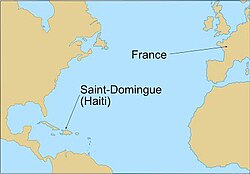
The history of Saint-Domingue is a complex narrative of extreme wealth, rigid social hierarchies, and a revolutionary spirit that forever changed the Atlantic world. As France's most lucrative colony, Saint-Domingue was a powerhouse of sugar and coffee production, driven by a brutal system of enslaved labor and managed by a stratified society of white colonists and free people of color.
At the heart of this society were the Creoles—individuals of European or mixed descent born in the colony—and the affranchis, or freed slaves. Together, they navigated a volatile social landscape that eventually culminated in the only successful slave rebellion in world history, leading to the birth of Haiti.
Key Facts
- Population Dynamics (1789): The colony consisted of roughly 406,000 to 465,000 enslaved people, 40,000 to 45,000 whites, and 28,000 to 32,000 free people of color.
- Social Stratification: White society was split between the Grands blancs (wealthy nobles) and Petits blancs (commoners).
- The Gens de couleur libres: This class of free people of color often held significant property and education.
- Independence: Haiti declared independence from France on January 1, 1804.
- Global Impact: The revolution led to a massive diaspora of Creoles to places like New Orleans, Louisiana.
The Social Hierarchy of Saint-Domingue
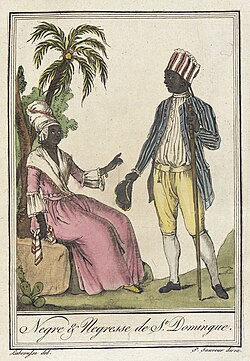
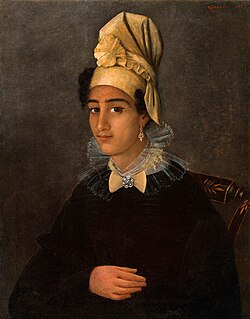
Saint-Domingue's social structure was defined by race, legal status, and birth. The Gens de couleur libres (free people of color) represented the largest and wealthiest free population of color in the Caribbean. While some were affranchis (former slaves), many were free-born blacks and mulattoes.
A unique social arrangement known as plaçage developed, where white men entered common-law marriages with slave or free mistresses. These arrangements often included dowries and provided children with education or apprenticeships, allowing some descendants of planters to inherit substantial property.
The White Population
The white population was far from monolithic. It was divided into the Grands blancs, an exclusive group of nobles mostly born in France, and the Petits blancs, who were white commoners and lighter-complexioned Creoles. Additionally, the colony housed engagés (white indentured servants) and various European refugees.
The Enslaved Population
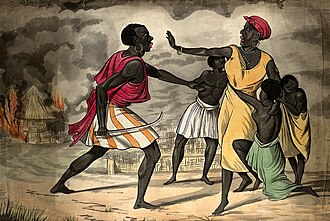
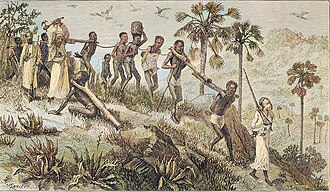
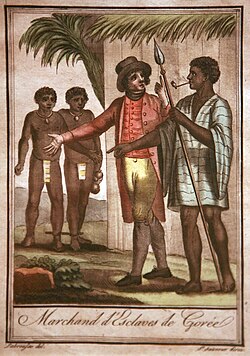
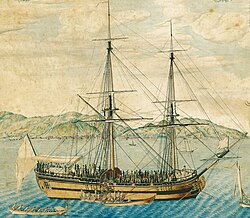
The foundation of the colony's wealth was the enslaved population, which outnumbered free residents by nearly ten to one. This population included diverse African peoples, most notably the Dahomeans and the Malagasy.
Economic Decline and Colonial Tension
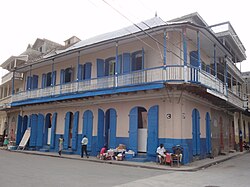
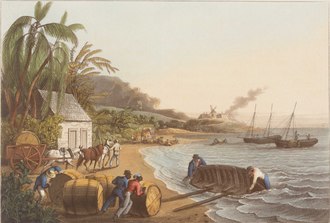
By the 1760s, the plantation economy began to erode. While sugar prices continued to rise, the cost of land tripled and the price of enslaved labor doubled between 1750 and 1780. The collapse of coffee profitability in 1770 left many planters in deep debt, shifting economic power toward enterprising businessmen and increasing scrutiny of the slave-trading economy.
The Acadian Disaster
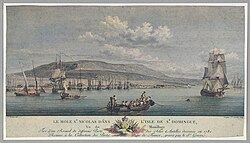
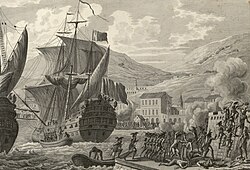
In 1764, French authorities attempted to settle Acadians—who had been exiled during the Grand Dérangement—at Môle-Saint-Nicolas to bolster the colony's naval base. The attempt was catastrophic; disease and food shortages killed approximately 420 of the 700 settlers within a year, with survivors fleeing to Louisiana.
The Path to Revolution
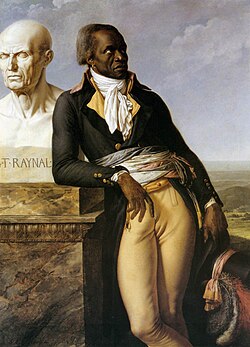
The French Revolution of 1789 and the Declaration of the Rights of Man sparked hope and chaos in Saint-Domingue. France sent a Republican commission with 15,000 troops to abolish slavery and defend the colony from British and Spanish incursions.
The War of Knives
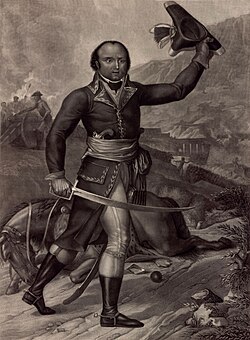
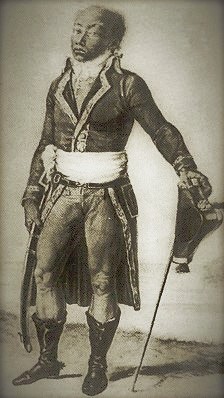
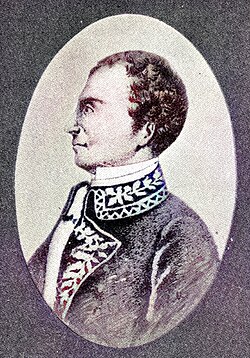
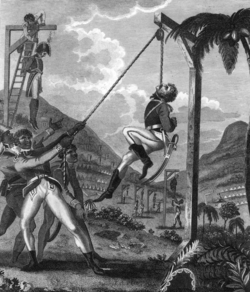
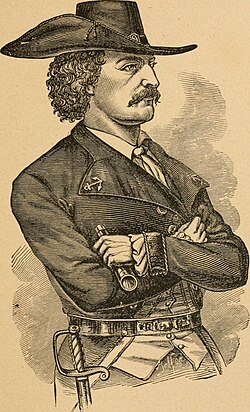
Internal power struggles emerged between revolutionary leaders. In 1799, Toussaint Louverture accused André Rigaud of attempted assassination, triggering a brutal civil war known as the War of Knives. Louverture's lieutenant, Jean-Jacques Dessalines, became notorious for the execution of approximately 10,000 Creole captives and civilians during this conflict.
The Rise of Haiti
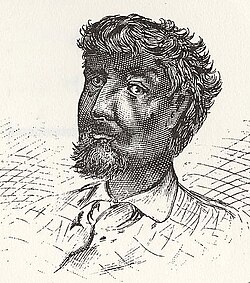
In 1801, Louverture promulgated a constitution making him governor-general for life, though he still acknowledged Saint-Domingue as a French colony. However, following further conflict with Napoleon Bonaparte's forces, Dessalines took command. On January 1, 1804, Dessalines declared independence and renamed the nation Haiti, using the indigenous Taíno name.

The Empire of Haiti and Aftermath
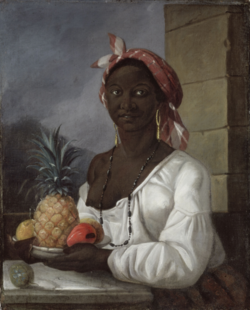
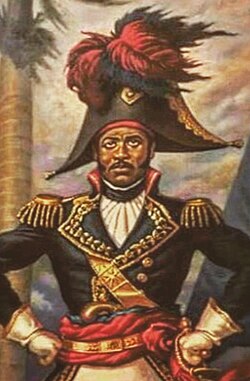
Dessalines was crowned Emperor Jacques I on October 6, 1804. His reign was marked by a strict policy of making Haiti an all-black nation, forbidding whites from owning land. This period also saw a violent genocide of the remaining white population between January and April 1804.
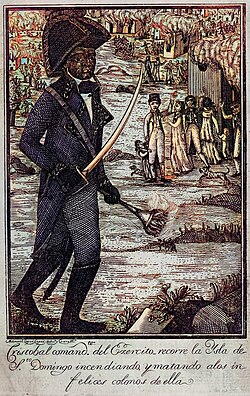
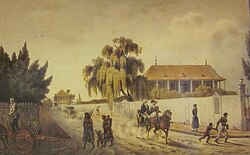
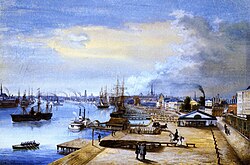
The empire ended with the assassination of Emperor Dessalines on October 17, 1806. In the following centuries, the legacy of the colony spread. Many Creoles fled to New Orleans, Louisiana, where they established a distinct cultural presence in areas like the Faubourg Marigny.
| Social Class | Description | Estimated Population |
|---|---|---|
| Grands blancs | White nobles, mostly French-born | Small exclusive group |
| Petits blancs | White commoners and light-skinned Creoles | Part of 40k-45k total whites |
| Gens de couleur libres | Free people of color (Creoles and affranchis) | 28,000 - 32,000 |
| Enslaved Population | Forced laborers from Africa | 406,000 - 465,000 |
Frequently Asked Questions

What were the 'Gens de couleur libres'?
They were the free people of color in Saint-Domingue, consisting of free-born blacks, mulattoes, and affranchis (former slaves). They often formed a wealthy middle class, owning property and receiving education.
What was the 'War of Knives'?
The War of Knives was a civil war (1799–1800) fought between Toussaint Louverture and André Rigaud over control of Saint-Domingue, resulting in Rigaud's defeat and flight to France.
How did Saint-Domingue become Haiti?
Following a successful slave rebellion and a war of independence against French forces, Jean-Jacques Dessalines officially declared independence on January 1, 1804, renaming the colony Haiti after the indigenous Taíno name.
What happened to the Creoles after the revolution?
Many Creoles and white colonists fled the island due to the revolution and subsequent massacres. A significant number migrated to New Orleans, Louisiana, influencing the city's culture, architecture, and social structure.
Why was the Acadian settlement at Môle-Saint-Nicolas a failure?
The settlement failed due to severe food shortages and rampant disease. Out of 700 settlers, approximately 420 died within a year, and most survivors eventually moved to Louisiana.