Haiti: History, Geography, and the Journey of a Sovereign Nation
Located on the western third of the island of Hispaniola in the Caribbean, Haiti is a nation defined by its resilience and a groundbreaking history. As the first independent nation in Latin America and the Caribbean, and the first black-led republic in the world, Haiti's legacy is rooted in a fierce struggle for liberty and equality.
From its pre-Columbian roots to its modern challenges, the Republic of Haiti continues to navigate a complex path of political evolution and economic recovery, all while preserving a rich cultural heritage that blends African and European influences.
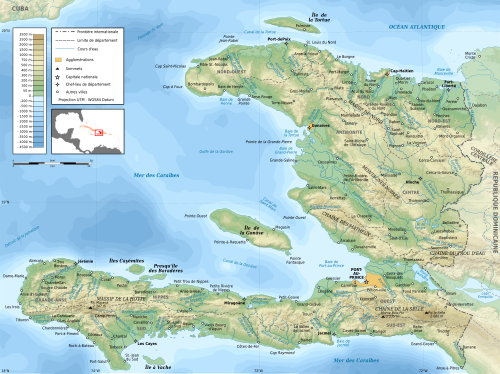
Key Facts
- Official Languages: French and Haitian Creole.
- Capital: Port-au-Prince.
- Independence: Declared from France on January 1, 1804.
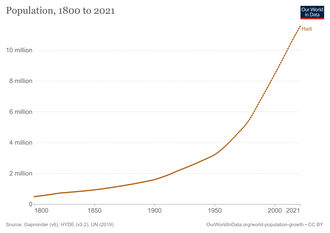
- Population: Approximately 11.47 million (2023 estimate).
- Geography: Total area of 27,700 km², characterized by mountainous terrain.
- Currency: Haitian Gourde (HTG).
The Historical Evolution of Haiti
Pre-Columbian and Colonial Eras
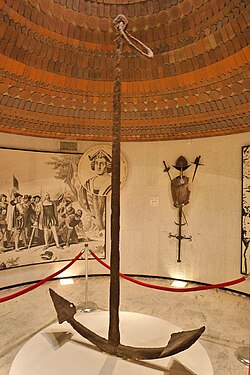
Before European arrival, the island was divided into five caciquedoms (territories ruled by a cacique, or local chief). This indigenous structure remained until Christopher Columbus landed on Hispaniola in 1492, initiating Spanish rule.
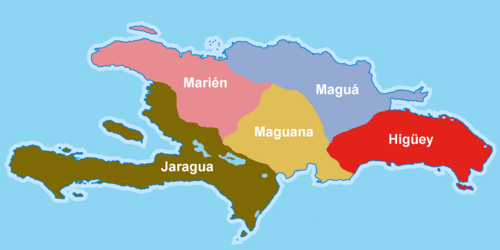
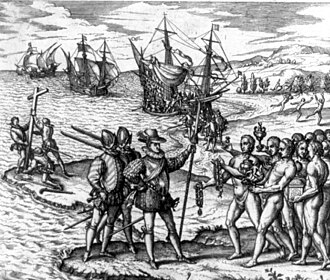
By 1625, French influence grew, eventually leading to French rule over the western portion of the island. The colony, known as Saint-Domingue, became a powerhouse of sugar and coffee production, fueled by the brutal system of enslaved African labor.
The Haitian Revolution (1791–1804)
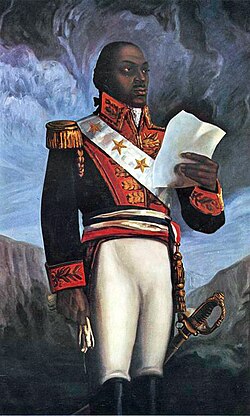
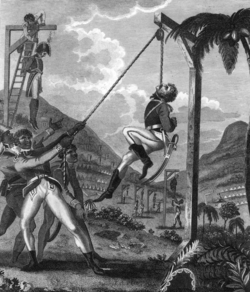
The tide turned in 1791 with a massive slave revolt, inspired by the ideals of the French Revolution. Under the leadership of Toussaint Louverture, a former slave and brilliant military strategist, the rebels fought against French, British, and Spanish forces.
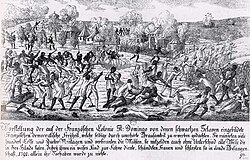
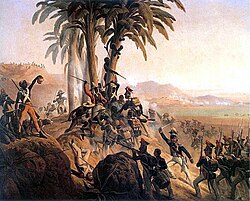
The conflict saw unique alliances, including Polish troops in French service who eventually deserted to fight alongside the Haitian rebels. Following years of warfare, Haiti declared its independence on January 1, 1804.
Post-Independence and Political Shifts
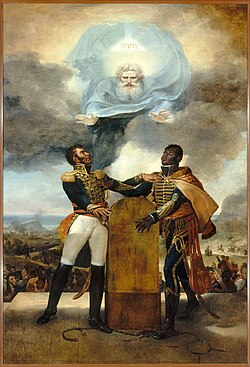
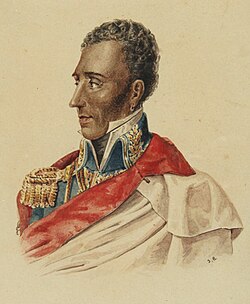
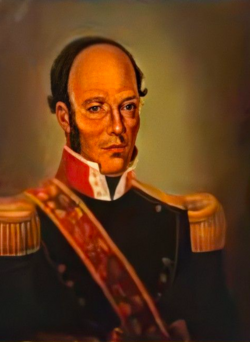
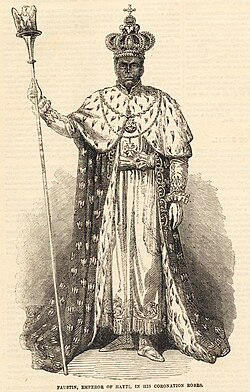
The early years of the republic were marked by volatility, shifting between empires, kingdoms, and republics. In 1822, Haiti unified the entire island of Hispaniola, though this union dissolved in 1844 when the eastern portion became the Dominican Republic.
![Citadelle Laferrière, built 1805–1822, is the largest fortress in the Americas, and is considered locally to be an eighth wonder of the world.[104]](/images/93/2c/932ce2198d216164e7397f29dc74109eb4f1e5fc5257d51d55b2da36bd08728c.jpg)
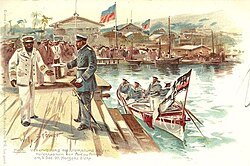
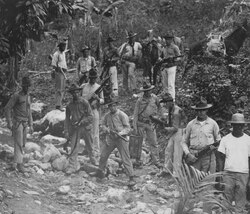
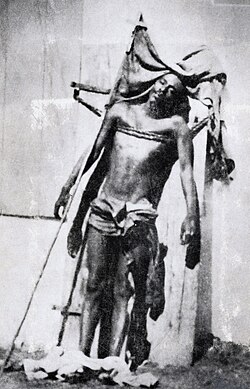
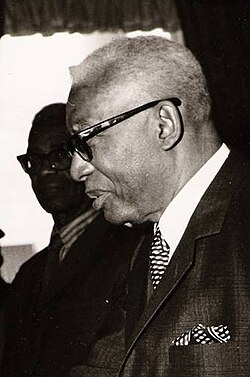
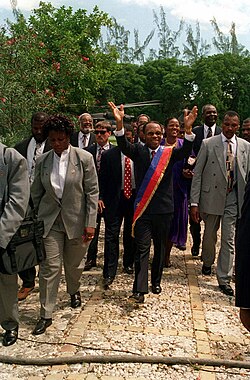
The 20th century brought further turmoil, including a United States occupation from 1915 to 1934, and the later dictatorship of the Duvalier dynasty (1957–1986), led by "Papa Doc" and his son. Recent decades have seen a struggle for democratic stability, marked by the presidency of Jean-Bertrand Aristide and subsequent political crises.
Geography and Environment
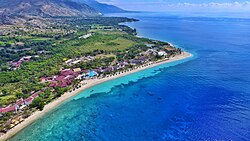
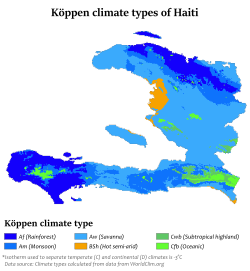
Haiti's landscape is predominantly mountainous, which influences its climate and biodiversity. The country experiences a tropical climate, though it is highly susceptible to natural disasters, including earthquakes and hurricanes.
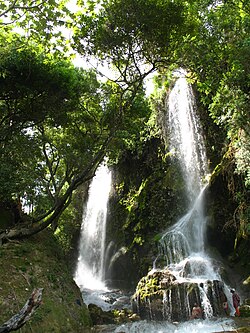
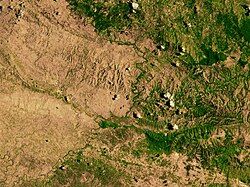
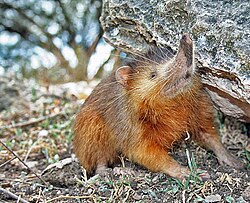
Environmental degradation is a significant concern. Deforestation has stripped much of the land, a contrast starkly visible when comparing the Haitian side of the border with the Dominican Republic. Despite this, Haiti is home to endemic species such as the endangered Hispaniolan solenodon.
Government and Administration
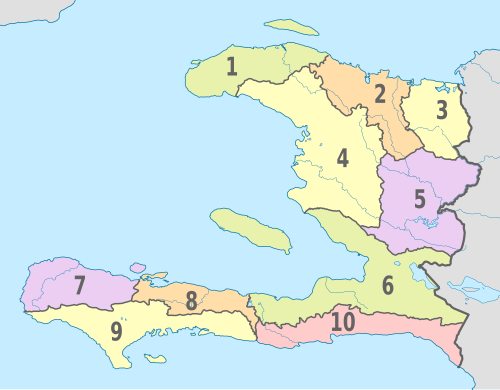
Haiti is a semi-presidential republic. Administratively, the country is divided into ten departments, with the Ouest department, containing the capital Port-au-Prince, being the most populous.
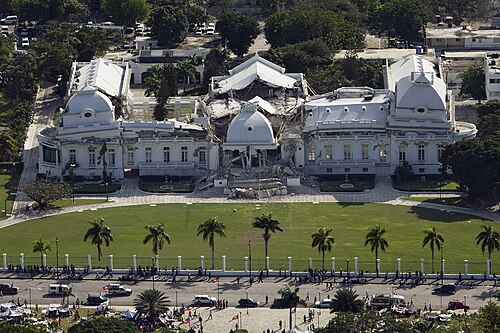
The National Palace in Port-au-Prince serves as a symbol of state authority, though it suffered severe damage during the catastrophic earthquake of 2010.
Economy and Infrastructure
Haiti's economy is largely agrarian, with cabbage and other crops being vital. However, the nation faces significant economic challenges, reflected in its GDP per capita and Human Development Index (HDI) rankings.
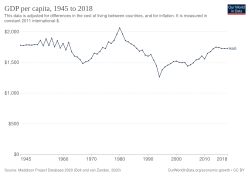
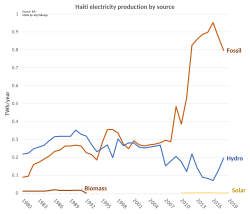
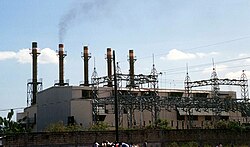
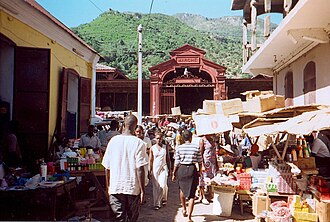
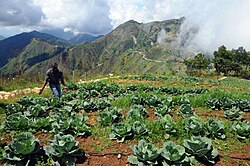
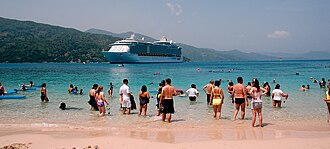
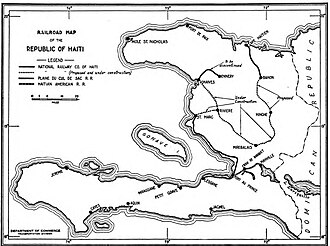
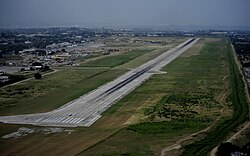
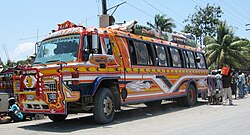
Tourism, centered around destinations like Labadee, and industrial initiatives like the Caracol Industrial Park, provide avenues for growth. Transportation relies heavily on "tap tap" buses and a limited network of airports and roads.
Demographics and Society
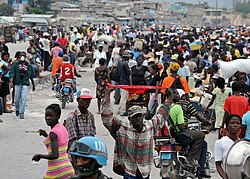
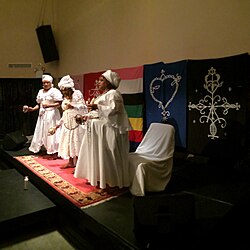
The population is approximately 95% of African descent. Religion plays a central role in daily life, with Christianity (Catholicism and Protestantism) being the most prevalent, alongside Haitian Vodou.
Culture and Heritage
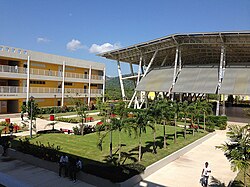
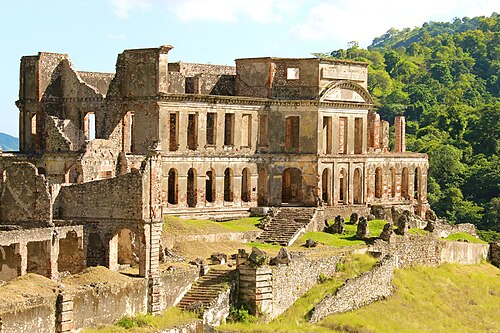
Haitian culture is a vibrant fusion of African traditions and French influence. This is evident in its music, dance, and architecture, such as the Sans-Souci Palace and the University Roi Henri Christophe.
The resilience of the people is often reflected in their art and folklore, maintaining a strong national identity despite systemic hardships.
| Category | Detail |
|---|---|
| Capital | Port-au-Prince |
| Official Languages | French, Haitian Creole |
| Total Area | 27,700 km² |
| Population (2023) | 11,470,261 |
| GDP per capita (Nominal 2025 est.) | $2,670 |
| HDI (2023) | 0.554 (Medium) |
Frequently Asked Questions
When did Haiti gain its independence?
Haiti declared its independence from France on January 1, 1804, following a successful slave revolution.
What are the official languages of Haiti?
The official languages are French and Haitian Creole.
What is the significance of the Citadelle Laferrière?
Built between 1805 and 1822, it is the largest fortress in the Americas and is locally regarded as an eighth wonder of the world.
Who was Toussaint Louverture?
Toussaint Louverture was a primary leader of the Haitian Revolution, a former slave who led the rebellion against French colonial rule.
What is the current administrative structure of Haiti?
Haiti is divided into ten departments, each with its own capital city, such as the Nord-Ouest department with its capital in Port-de-Paix.