Bückeburg: A Historic Gem of Lower Saxony
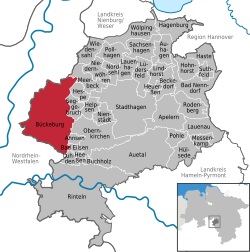
Nestled on the border of North Rhine-Westphalia in the district of Schaumburg, Bückeburg is a town where royal heritage and modern culture converge. Located near the northern slopes of the Weserbergland ridge, this Lower Saxony town serves as a living museum of German history, from its days as a princely capital to its role as a former British garrison town.
With a population of approximately 19,221 as of late 2024, Bückeburg offers a blend of architectural grandeur and serene landscapes, making it a destination of interest for historians, music lovers, and aviation enthusiasts alike.
Key Facts
- Location: Lower Saxony, Germany (Schaumburg district).
- Historical Status: Former capital of the Principality of Schaumburg-Lippe.
- Major Landmark: Bückeburg Palace, still owned by the Princely family.
- Unique Attraction: A dedicated helicopter museum featuring Leonardo da Vinci's early designs.
- Cultural Legacy: Strong ties to the Bach family and the poet J.G. von Herder.
A Journey Through History
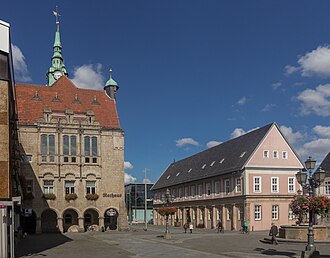
The origins of Bückeburg date back to approximately 1365, when houses began to cluster around the local castle. By the 17th century, the settlement was fortified with a city wall. For centuries, Bückeburg served as the capital of the Principality of Schaumburg-Lippe. Even after the German Revolution of 1918–1919, Schaumburg-Lippe maintained its status as an independent Free State until 1946.
In the 19th century, the town expanded its connectivity via the Minden and Hanover Railway. In more recent history, Bückeburg became a British garrison town. This international influence was most prominent through the British Military Hospital (BMH) in Rinteln and the Prince Rupert School, the latter of which operated until July 2014.
Architectural and Cultural Landmarks
Bückeburg Palace (Schloss Bückeburg)
The centerpiece of the town is Bückeburg Palace, the ancestral residence of the Princes of Schaumburg-Lippe. Spanning 700 years of architectural evolution—with key developments in the 16th, 17th, and 19th centuries—the palace remains the private property of the princely family, though parts are open to the public. It is renowned for its extensive library and significant art collections.
Within the palace grounds lies the Princely Mausoleum. Built in 1915 in the Neo-Romanic style, it is the world's largest private sepulchre still in use. Its interior features a gold mosaic cupola, the second largest of its kind globally after the Hagia Sophia.
The Bückeburg Town Church
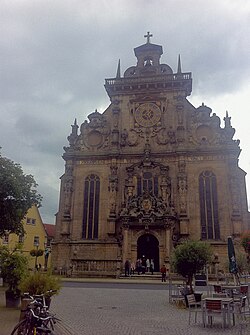
The Bückeburger Stadtkirche stands as one of the earliest Lutheran churches constructed following the Reformation. It is celebrated for its ornate bronze-cast font by Dutch artist Adriaen de Vries. The church also holds a deep musical legacy; Johann Christoph Friedrich Bach, son of J.S. Bach, served as the Konzertmeister (director) of the court orchestra here from 1759 until his death, and is buried in the churchyard.
Aviation and Education
Bückeburg is a hub for aviation, housing the German Army's Army Aviators School at the Bückeburg Air Base. For visitors, the local helicopter museum is a primary draw, showcasing 40 actual helicopters and the early flying object drawings of Leonardo da Vinci.
Notable Figures and Legacy
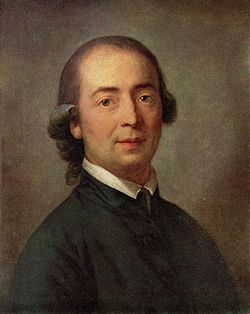
Bückeburg has been home to a diverse array of intellectuals and artists. The poet Johann Gottfried Herder served as the court preacher and superintendent from 1771 to 1776. The town's musical influence extended to modern times through the Army Music School, which trained renowned musicians such as bassist and bandleader James Last.
Town Overview and Climate
Bückeburg is well-connected via the Hanover S-Bahn (line S1), providing hourly services to Minden and Hanover. The local climate is temperate, with an average annual precipitation of 716.8 mm and a mean annual temperature of 10.3°C.
| Category | Details |
|---|---|
| State/District | Lower Saxony / Schaumburg |
| Population (2024) | 19,221 |
| Total Area | 68.9 km² |
| Elevation | 63 m |
| Postal Code | 31675 |
| Key Industry/Attractions | Tourism, Aviation, History |
Frequently Asked Questions
Who currently owns Bückeburg Palace?
The palace is still owned and inhabited by the Princely family of Schaumburg-Lippe, although portions of the estate are open to the public as a tourist attraction.
What is unique about the Princely Mausoleum?
It is the world's largest private sepulchre still in use and features one of the world's largest gold mosaics, surpassed only by the one in the Hagia Sophia.
Which famous musician is buried in Bückeburg?
Johann Christoph Friedrich Bach, the son of J.S. Bach and former director of the Bückeburg court orchestra, is buried in the churchyard of the Stadtkirchengemeinde-Bückeburg.
What can visitors see at the Bückeburg helicopter museum?
The museum displays 40 actual helicopters and features the early conceptual drawings of flying machines by Leonardo da Vinci.
How is Bückeburg connected to other cities?
The town has its own railway station and is served by the S1 line of the Hanover S-Bahn, offering hourly train services to Hanover and Minden.