British Empire: The Rise and Fall of a Global Hegemony
The British Empire was the largest empire in history, evolving from a series of early maritime ventures into a global superpower that spanned every continent. At its territorial peak in 1921, it governed a vast array of colonies, protectorates, and mandates, fundamentally shaping the modern world's political, linguistic, and economic landscapes.
Key Facts
- Peak Population: Approximately 412 million people lived under the Empire in 1913.
- Territorial Peak: The Empire reached its maximum geographic extent in 1921.
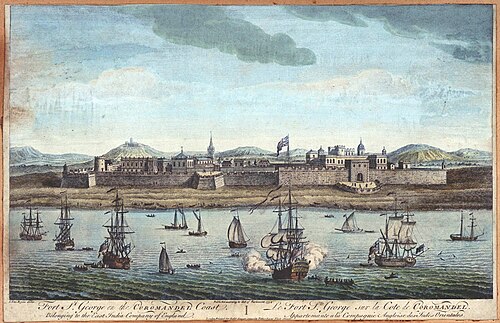
- Key Entities: The East India Company played a pivotal role in the conquest and administration of India.
- Global Reach: Influence extended from the Americas and Africa to Asia and the Pacific.
- Modern Legacy: Transitioned into the Commonwealth of Nations and left behind 14 British Overseas Territories.
Origins and Early Expansion (1497–1707)
The foundations of the empire were laid in the late 15th century. In 1497, John Cabot embarked on his second voyage to the New World, signaling England's intent to establish overseas possessions.
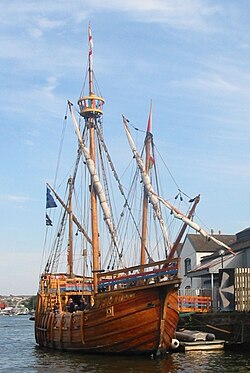
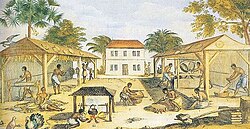
Between 1583 and 1707, England expanded its reach across the Americas and Africa. This era was marked by the growth of the slave trade, where enslaved Africans were forcibly brought to colonial Virginia and other territories to provide labor for agricultural plantations.
During this period, Britain faced intense rivalry with other European powers. While England focused on the Atlantic, Scotland also pursued its own colonial interests between 1629 and 1707, prior to the Acts of Union.
Global Dominance and Conflict (1707–1815)
Following the unification of Great Britain, the empire entered a phase of aggressive expansion and conflict. While the loss of the Thirteen American Colonies in 1783 was a significant blow, Britain consolidated its power elsewhere.
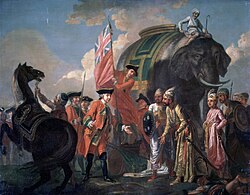
In India, the East India Company—a joint-stock company granted a royal charter—transitioned from a commercial entity to a military power. The victory at the Battle of Plassey was a turning point that established British dominance in the region.
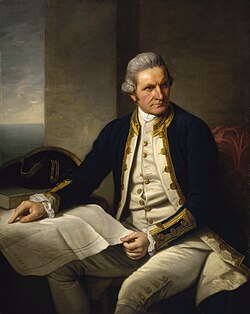
Simultaneously, Britain expanded its knowledge of the Pacific. Captain James Cook led missions to locate the theoretical southern continent, Terra Australis, leading to the colonization of Australia and New Zealand.
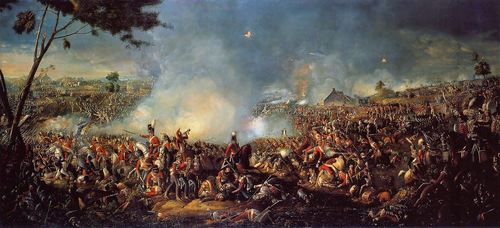
The Napoleonic Wars culminated in the Battle of Waterloo in 1815. Napoleon's defeat ushered in the era of Pax Britannica (British Peace), a period of relative peace in Europe where British naval and economic supremacy remained unchallenged.
The Imperial Century (1815–1914)
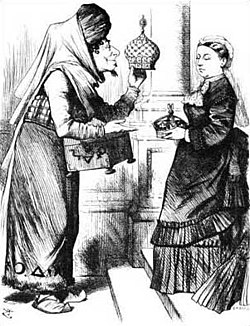
The 19th century represented the zenith of British influence. In India, the East India Company's rule eventually gave way to the British Raj, the period of direct crown rule. By 1876, Queen Victoria was declared Empress of India.
This era also saw the abolition of slavery, beginning with the Slavery Abolition Act of 1833, though the transition was complex and often involved payouts to former slave owners. Geopolitically, Britain engaged in the "Great Game"—a strategic rivalry with Russia over Central Asia.
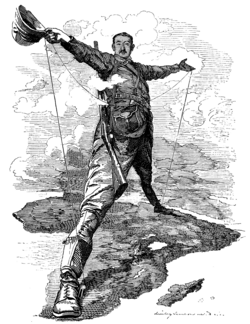
In Africa, the vision of a "Cape to Cairo" railway symbolized the ambition to connect the continent from south to north under British influence.
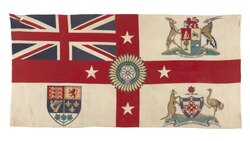
As the century progressed, the "white colonies" (such as Canada and Australia) began to seek greater autonomy, leading to a shift in how the empire was represented and governed.
World Wars and the Path to Decolonisation (1914–1997)
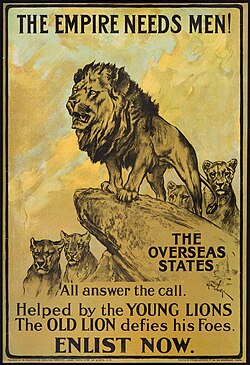
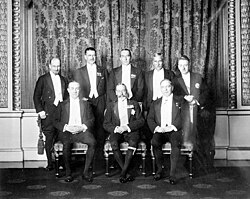
The two World Wars placed immense strain on the empire's resources. While the First World War saw massive enlistment from across the dominions, the inter-war period saw a gradual shift toward the Commonwealth model, where dominions were recognized as equal in status to the UK.

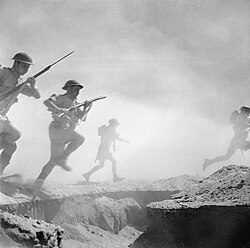
During the Second World War, the Eighth Army exemplified the empire's diversity, comprising units from various countries fighting in North Africa and Italy.
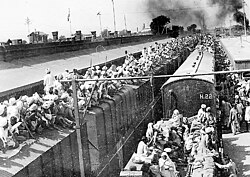
Post-war exhaustion and rising nationalism led to rapid decolonisation. The 1947 Partition of India was one of the most tumultuous events, resulting in approximately 14.5 million people losing their homes.
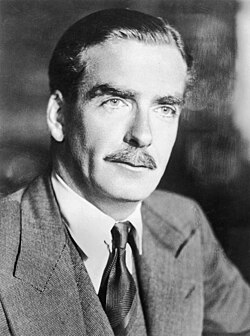
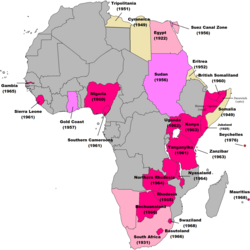
The 1956 Suez Crisis served as a definitive signal of Britain's diminished global power. By the end of the 1960s, most African colonies had achieved independence, with a few exceptions like Rhodesia.
Legacy and Modern State
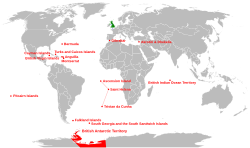
The empire officially transitioned into a voluntary association of independent states known as the Commonwealth. Today, the remnants of the empire exist as 14 British Overseas Territories.
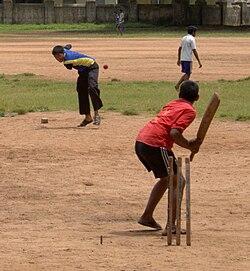
The legacy of the empire is multifaceted. It left behind the Westminster system of parliamentary government, the English language, and sports like cricket, which remain popular in South Asia.
![American and British interactions shaped the British Empire's breakup and resulting world order[271]](/images/29/61/2961a6395b4599caabaab50396e1f1e73662868ae81af4cb40cdd67e9d71e22a.webp)
| Period | Key Phase | Defining Characteristic |
|---|---|---|
| 1497–1707 | Origins | Early exploration and Atlantic trade |
| 1707–1815 | Expansion | Global conflict and consolidation of India |
| 1815–1914 | Imperial Century | Pax Britannica and territorial peak |
| 1914–1945 | World Wars | Strain on resources and rise of dominions |
| 1945–1997 | Decolonisation | Independence movements and transition to Commonwealth |
Frequently Asked Questions
When did the British Empire reach its largest size?
The British Empire reached its territorial peak in 1921, governing vast regions across every inhabited continent.
What was the British Raj?
The British Raj refers to the period of direct rule by the British Crown in India, which followed the administration of the East India Company.
What was the significance of the Suez Crisis?
The 1956 invasion of Egypt revealed Britain's post-war weaknesses and signaled the end of its status as a primary global superpower.
How many British Overseas Territories exist today?
There are currently fourteen British Overseas Territories remaining from the former empire.
What is the Commonwealth of Nations?
The Commonwealth is a voluntary association of independent sovereign states, most of which were formerly part of the British Empire.