Botanischer Garten der Universität Ulm
Located in the heart of Baden-Württemberg, Germany, the Botanischer Garten der Universität Ulm serves as a vital center for botanical research and public education. Spanning 28 hectares, this expansive botanical garden and arboretum is meticulously maintained by the University of Ulm, offering a serene environment where science and nature converge.
Situated at Hans-Krebs-Weg on the Upper Eselsberg, the garden provides a diverse range of plant life, from tropical species in climate-controlled greenhouses to hardy native flora in its open-air collections.
A History of Growth and Development
The garden's origins date back to 1981, when it was established on the site of a former shooting range southeast of the university. Over the following decades, the facility expanded through a series of strategic developments:
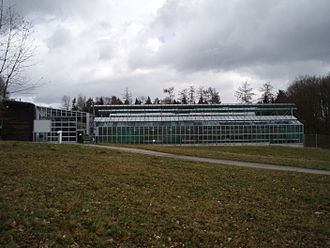
- 1986: Construction of the first greenhouses.
- 1992–1996: Creation of the arboretum, a specialized botanical garden devoted to woody plants.
- 1997: Addition of two tropical greenhouses to house exotic species.
- 1998: Establishment of a farmer's garden.
- 1999–2000: Development of the rose garden.
- 2001: Creation of the herb garden, developed in cooperation with the pharmaceutical company Ratiopharm.
Diverse Collections and Specialized Gardens
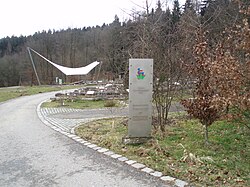
The Botanischer Garten der Universität Ulm is organized into several themed areas, each designed to showcase specific plant characteristics or ecological roles. Visitors can explore a medicinal garden, a daylily garden, a cottage garden, and a natural meadow, as well as a tranquil pond area.
The herb garden is a particular highlight, blending horticultural beauty with pharmaceutical relevance.
The Herbarium and Scientific Research
Beyond its living collections, the garden maintains an extensive herbarium—a systematic collection of dried plant specimens used for scientific study. This archive contains approximately 80,000 documents, with a primary research focus on Europe, South America, and Central America.
The herbarium's holdings include:
- A tropical collection of about 50,000 specimens.
- Approximately 20,000 specimens of mosses and lichens.
- Some 10,000 phanerogams (plants that produce seeds via flowers or cones).
Key Facts
- Total Area: 28 hectares.
- Location: Hans-Krebs-Weg, Ulm, Baden-Württemberg, Germany.
- Established: 1981.
- Herbarium Size: ~80,000 documents.
- Key Partnerships: Herb garden created with Ratiopharm.
- Public Access: Open on weekdays during various hours.
Garden Overview Summary
| Feature | Details / Components |
|---|---|
| Specialized Gardens | Medicinal, Daylily, Rose, Cottage, Herb, and Farmer's gardens |
| Landscape Elements | Arboretum, Pond, and Meadow |
| Climate Facilities | Initial greenhouses (1986) and Tropical greenhouses (1997) |
| Scientific Archive | Herbarium with 80,000 documents |
Frequently Asked Questions
Where is the Botanischer Garten der Universität Ulm located?
The garden is located at Hans-Krebs-Weg in Ulm, Baden-Württemberg, Germany, specifically on the Upper Eselsberg southeast of the university.
What is the size of the botanical garden?
The garden and arboretum cover a total area of 28 hectares.
Who collaborated on the creation of the herb garden?
The herb garden was created in 2001 in cooperation with the pharmaceutical company Ratiopharm.
What does the herbarium contain?
The herbarium contains roughly 80,000 documents, including 50,000 tropical specimens, 20,000 mosses and lichens, and 10,000 phanerogams, focusing on Europe, South America, and Central America.
When can the public visit the garden?
The garden is open to the public on weekdays during various hours.