Botanical Morphology: A Comprehensive Glossary of Plant Structures
Understanding Plant Morphology: A Comprehensive Guide to Botanical Terms To the untrained eye, a forest is simply a collection of green life. However, to a botanist, every leaf, stem, and...
Understanding Plant Morphology: A Comprehensive Guide to Botanical Terms
To the untrained eye, a forest is simply a collection of green life. However, to a botanist, every leaf, stem, and flower is a complex architecture of specialized structures. This field of study, known as plant morphology, examines the physical form and external structure of plants. By understanding the specific terminology used to describe these forms, we can better appreciate the incredible diversity of the plant kingdom.
Whether you are studying the way a leaf attaches to a stem or how a flower attracts a pollinator, precise language is essential. This guide breaks down foundational botanical concepts, from leaf structures to reproductive organs.
Key Facts
refer to caption
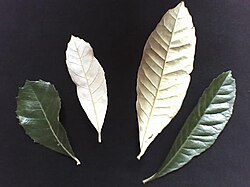
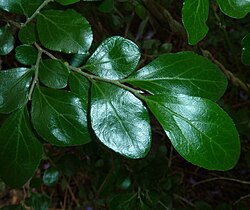
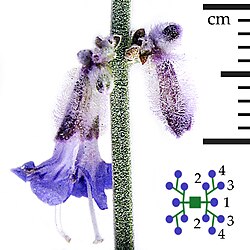
Adaxial refers to the upper surface of a leaf, while abaxial refers to the lower surface.
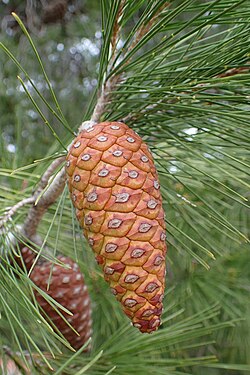
Angiosperms are flowering plants, whereas gymnosperms produce "naked" seeds, such as those in pine cones.
Photosynthesis is the process by which plants use sunlight to create energy, often occurring within chloroplasts.
Deciduous plants shed their leaves seasonally, while evergreen plants retain foliage year-round.
Xylem and phloem are the primary vascular tissues responsible for transporting water and nutrients.
Leaf Morphology and Structure
refer to caption
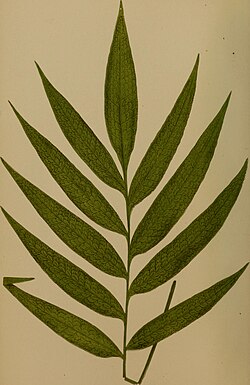
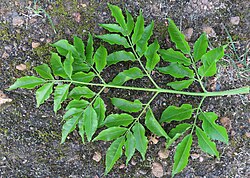
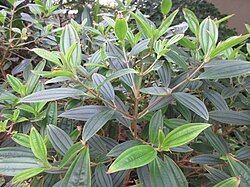
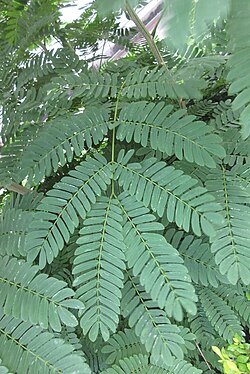
The leaf is one of the most diverse organs in a plant. Its shape, margin, and arrangement can vary wildly depending on the species and its environment. For instance, some leaves are simple, while others are compound, meaning the leaf blade is divided into smaller units called leaflets.
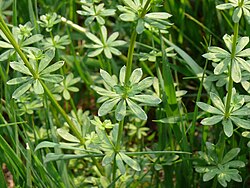
Leaf arrangement—how leaves are positioned on a stem—is also a key identifying feature. Leaves may be alternate, opposite, or arranged in a whorl. The point where a leaf meets the stem is known as the axil.
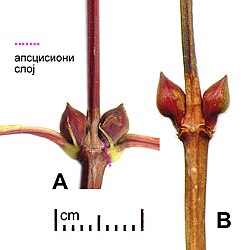
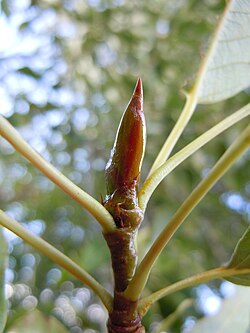
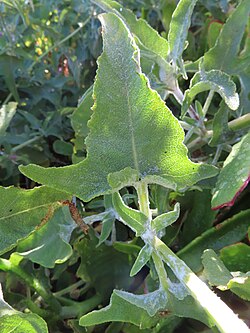
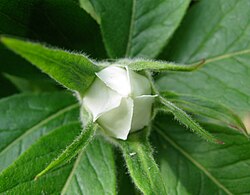
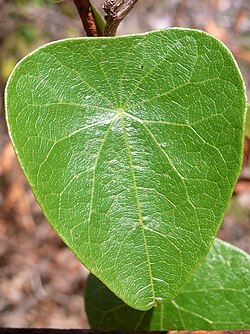
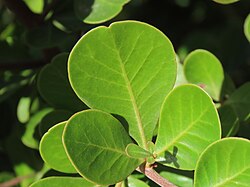
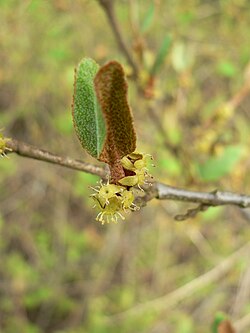
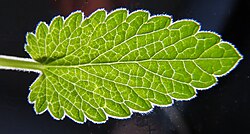
In the bud, Tetradenia riparia leaves have their upper surfaces turned toward the stem and the axil. The lower surface is abaxial ("away from the axis"), and the upper surface is adaxial.: In the bud, Tetradenia riparia leaves have their upper surfaces turned toward the stem and the axil. The lower surface is abaxial ("away from the axis"), and the upper surface is adaxial.
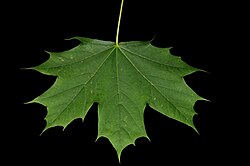
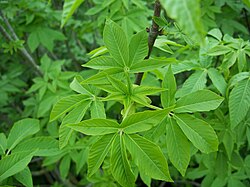
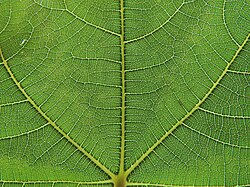
The edges of a leaf, or the margin, can be smooth (entire), serrate (saw-toothed), or dentate (toothed). Furthermore, the pattern of veins, known as venation, provides structural support and transport. A palmate venation pattern, like that seen in maple leaves, features veins radiating from a single central point.
A maple (Acer platanoides) leaf has palmate venation, as its veins radiate out from a central point, like fingers from the palm of a hand.: A maple (Acer platanoides) leaf has palmate venation, as its veins radiate out from a central point, like fingers from the palm of a hand.
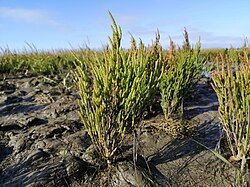
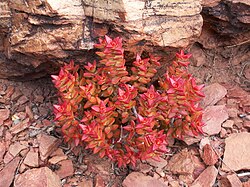
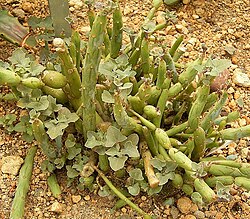
In some specialized environments, plants develop unique leaf adaptations. Succulent plants have fleshy leaves to store water, while halophytes, such as Salicornia europaea, are adapted to survive in salt-rich environments like tidal mudflats.
Salicornia europaea, growing on a tidal mudflat inundated by salt-rich seawater twice daily, is a typical halophyte with thick, fleshy stems.: Salicornia europaea, growing on a tidal mudflat inundated by salt-rich seawater twice daily, is a typical halophyte with thick, fleshy stems.
Complex Leaf Types
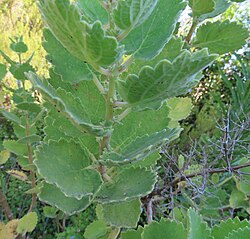
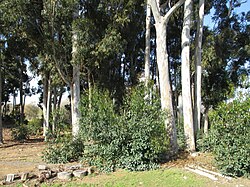
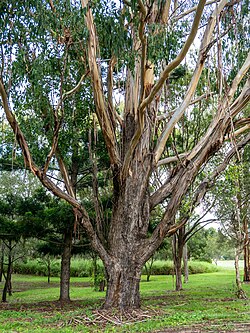
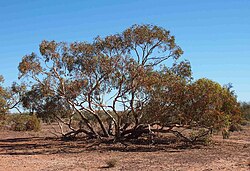
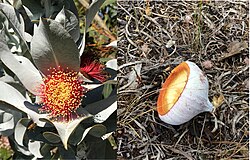
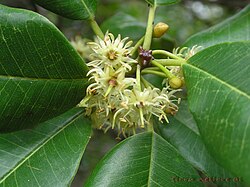
Some plants exhibit heterophylly, where a single plant produces different leaf shapes at different stages of growth. For example, certain Eucalyptus species show heteroblastic growth, transitioning from dorsiventral leaves (having distinct upper and lower sides) to isobilateral leaves (where both sides appear similar) as they mature.
Heteroblastic growth is common in Eucalyptus species with leaves that are isobilateral in the mature tree; they generally start life with dorsiventral leaves. Some of these saplings are in the transient stage in which they have both forms of leaves, dorsiventral on lower branches, and isobilateral above.: Heteroblastic growth is common in Eucalyptus species with leaves that are isobilateral in the mature tree; they generally start life with dorsiventral leaves. Some of these saplings are in the transient stage in which they have both forms of leaves, dorsiventral on lower branches, and isobilateral above.
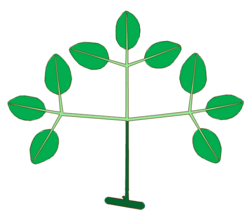
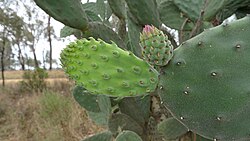
Other complex structures include biternate leaves, which are compound leaves divided into three distinct parts, and cladodes. A cladode is a modified, flattened stem that functions like a leaf, common in many cacti.
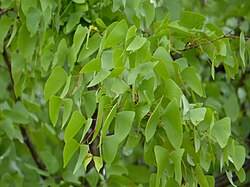
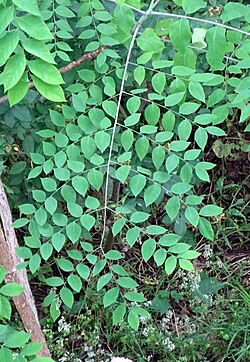
Structure of a biternate compound leaf: Structure of a biternate compound leaf
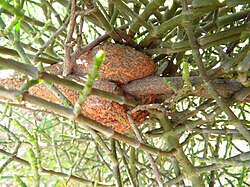
The so-called "fleshy leaves" of cacti, such as on this Opuntia tomentosa, are actually cladodes (branches). The true leaves are the spines growing on the cladodes, which on this young cladode are still fleshy.: The so-called "fleshy leaves" of cacti, such as on this Opuntia tomentosa, are actually cladodes (branches). The true leaves are the spines growing on the cladodes, which on this young cladode are still fleshy.
Stems, Trunks, and Growth Habits
refer to caption
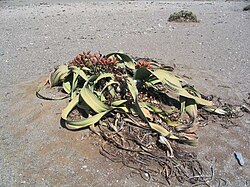
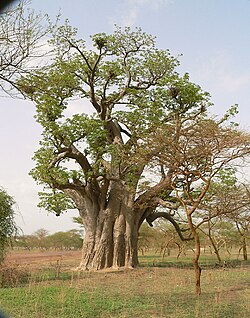
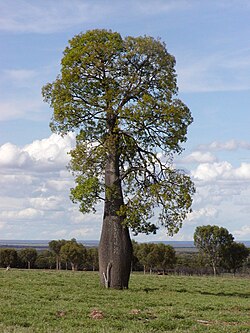
The stem serves as the central axis of the plant, providing support and conducting fluids. In many trees, the stem becomes a massive, woody trunk. Some plants exhibit a pachycaul habit, characterized by a disproportionately thick stem or trunk used for moisture storage, such as the baobab.
This African baobab, Adansonia digitata, has an enormous bole beneath a relatively modest canopy that is typical of this species.: This African baobab, Adansonia digitata, has an enormous bole beneath a relatively modest canopy that is typical of this species.
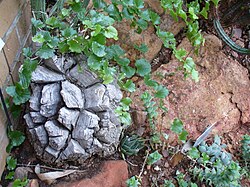
Growth can also occur through specialized structures like a caudex—a thickened, often woody base of a plant—or a corm, which is a swollen underground stem base. While many caudices grow underground, some, like Dioscorea elephantipes, grow largely above the soil surface.
The caudex of Dioscorea elephantipes grows largely above the soil surface. Many species that form caudices grow them underground.: The caudex of Dioscorea elephantipes grows largely above the soil surface. Many species that form caudices grow them underground.
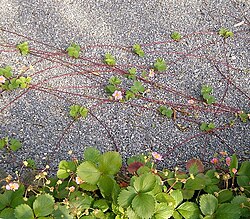
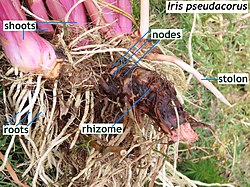
Plants also utilize runners (or stolons) for vegetative reproduction. These are horizontal stems that grow along the soil surface, allowing the plant to "walk" and establish new clones at various nodes.
Strawberry plants reproduce mainly by sarments, stolons such as these, often called runners; at their nodes the sarments put up tufts of leaves and strike root if there is any good soil beneath.: Strawberry plants reproduce mainly by sarments, stolons such as these, often called runners; at their nodes the sarments put up tufts of leaves and strike root if there is any good soil beneath.
Vascular Systems
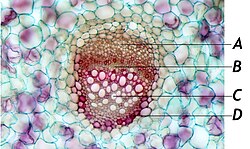
Inside the stem, the vascular bundle facilitates the movement of life-sustaining substances. This system consists of xylem, which transports water and minerals upward from the roots, and phloem, which distributes sugars produced during photosynthesis. The cambium is the layer of actively dividing cells between these two tissues that allows for secondary growth in woody plants.
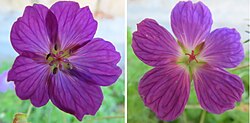
The flower is the reproductive powerhouse of the angiosperm. A typical flower consists of several parts: the sepals (which protect the bud), the petals (which attract pollinators), the stamens (the male reproductive organs), and the pistil (the female reproductive organ).
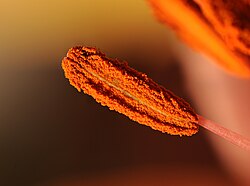
The male part, the androecium, is composed of filaments topped by anthers, which produce pollen. The female part, the gynoecium, includes the stigma (the receptive tip), the style (the tube), and the ovary, which contains the ovules.
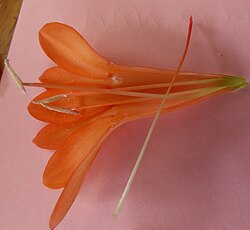
Watsonia flower slit open and with one stamen bent upward to show its adnate attachment to the petal: Watsonia flower slit open and with one stamen bent upward to show its adnate attachment to the petal
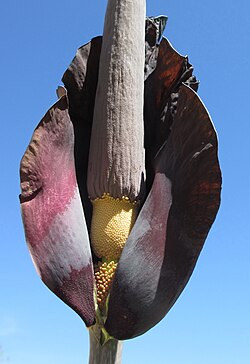
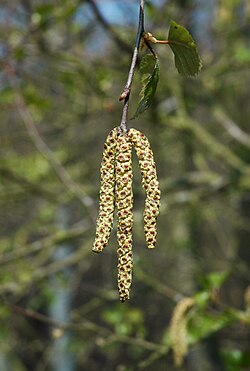
Pollination can be anemophilous (carried by wind) or entomophilous (carried by insects). Some plants have evolved highly specialized structures to facilitate this, such as the spadix found in the Amorphophallus genus, which is a fleshy spike of flowers surrounded by a large, leaf-like spathe.
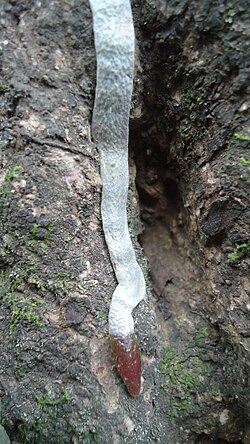
Spadix of Amorphophallus maximus within its spathe. The female flowers are around the bottom of the spadix, the male flowers above, and the sterile top part is the major source of pollinator attractants.: Spadix of Amorphophallus maximus within its spathe. The female flowers are around the bottom of the spadix, the male flowers above, and the sterile top part is the major source of pollinator attractants.
Seeds and Fruits
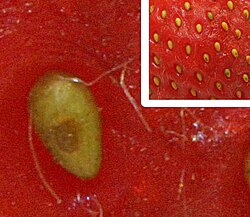
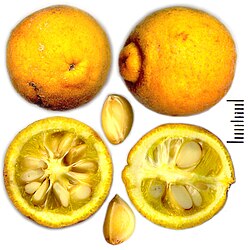
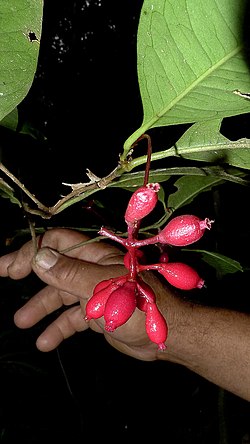
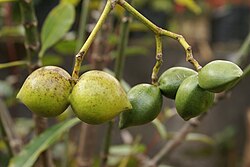
Once fertilization occurs, the ovules develop into seeds and the ovary matures into a fruit. Fruits come in many forms, such as a berry, a drupe (a fleshy fruit with a single hard stone), or a hesperidium (a specialized berry with a leathery rind, like a citrus fruit).
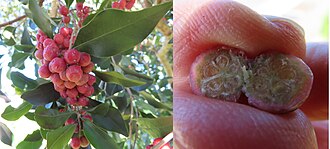
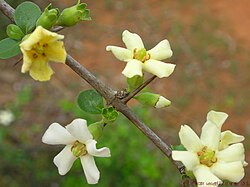
The fruit of Poncirus is a typical hesperidium.: The fruit of Poncirus is a typical hesperidium.
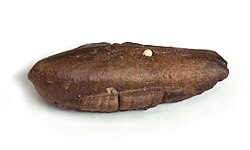
Inside the seed, the embryo is the tiny, developing plant, while the endosperm serves as its primary food supply. In some seeds, such as those of a date, the endosperm is massive compared to the tiny embryo.
The pale embryo emerging from the upper surface of the sprouting date seed is tiny in comparison to the endosperm, its main food supply, which comprises almost all of the rest of the seed.: The pale embryo emerging from the upper surface of the sprouting date seed is tiny in comparison to the endosperm, its main food supply, which comprises almost all of the rest of the seed.
Summary of Key Botanical Terms
Term
Category
Definition
Adaxial
Leaf Structure
The upper surface of a leaf.
Abaxial
Leaf Structure
The lower surface of a leaf.
Xylem
Vascular Tissue
Tissue that transports water and minerals.
Phloem
Vascular Tissue
Tissue that transports sugars and nutrients.
Stamen
Reproduction
The male reproductive organ of a flower.
Pistil
Reproduction
The female reproductive organ of a flower.
Frequently Asked Questions
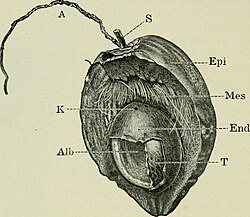
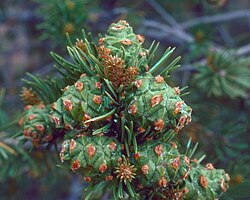
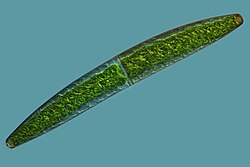
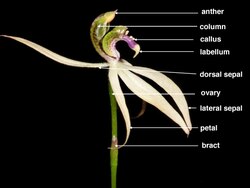
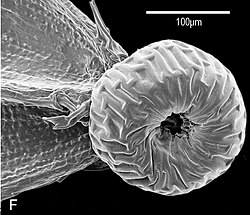
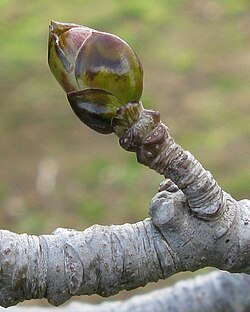
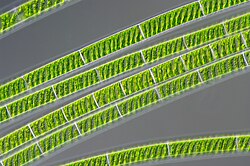
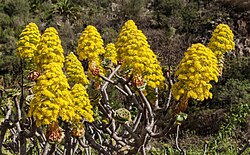
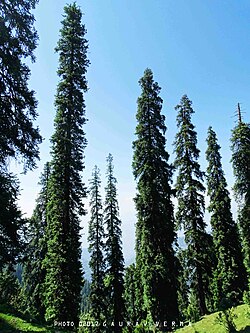
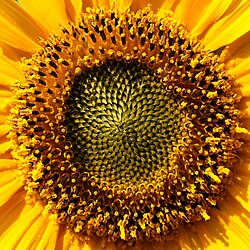
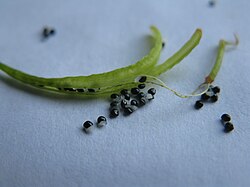
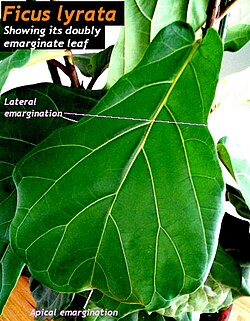
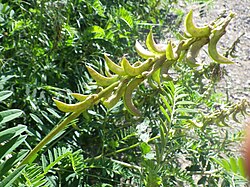
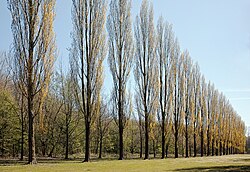
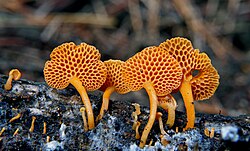
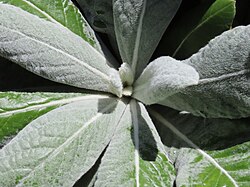
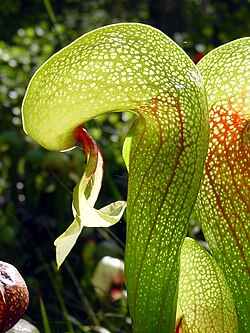
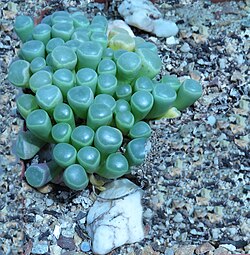
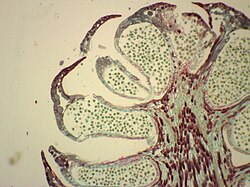
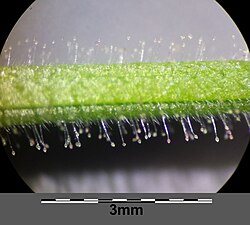
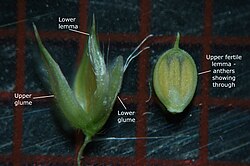
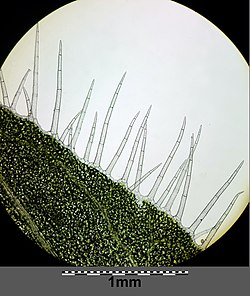
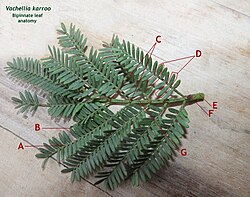
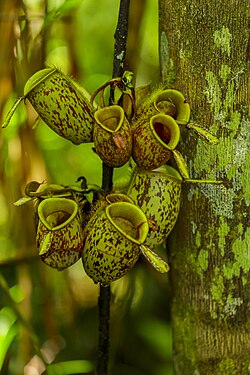
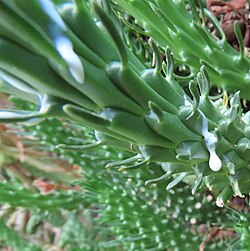
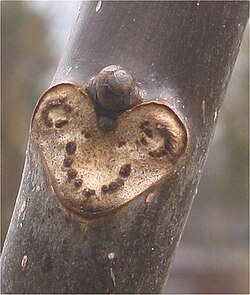
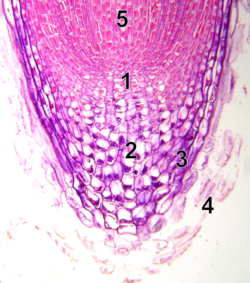
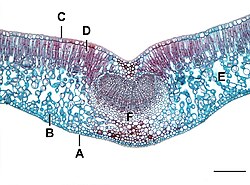
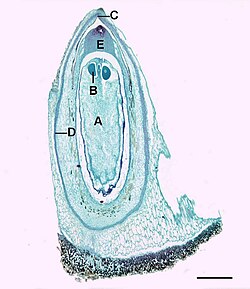
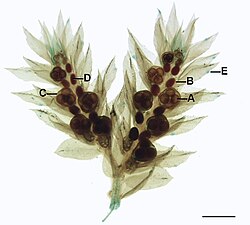
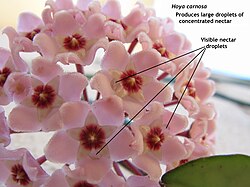
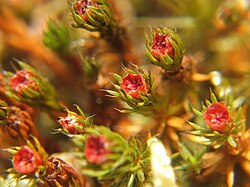
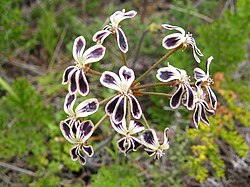
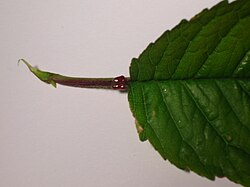
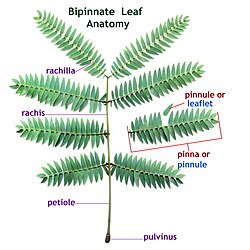
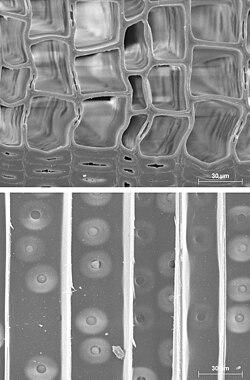
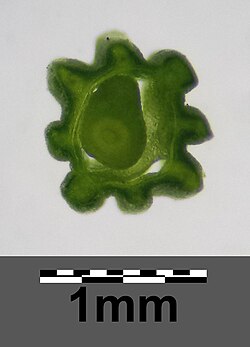
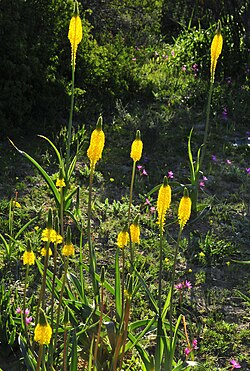
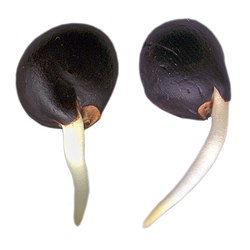
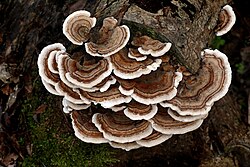
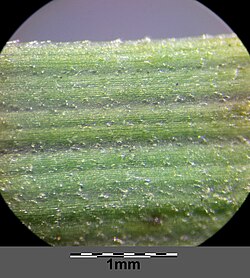
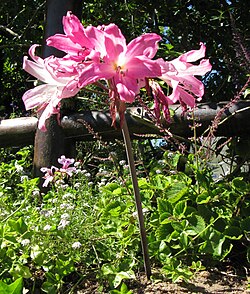
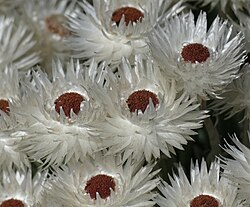
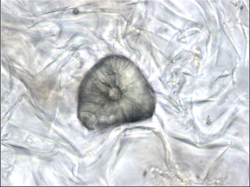
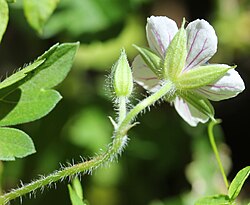
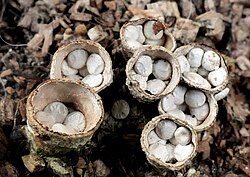
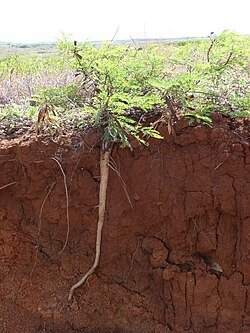
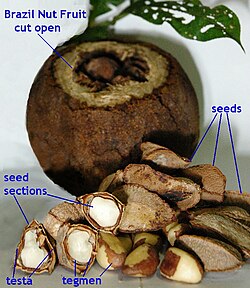
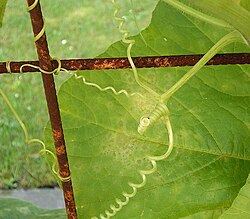
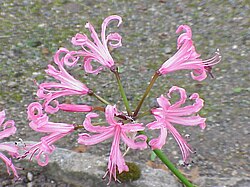
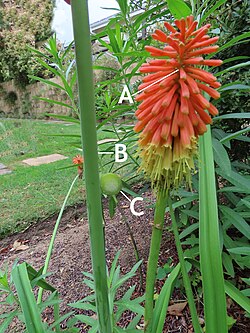
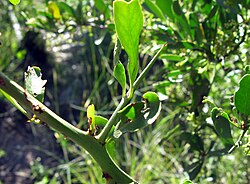
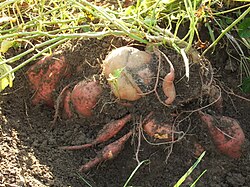
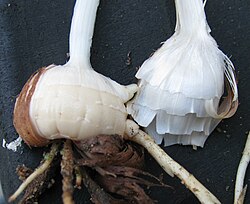
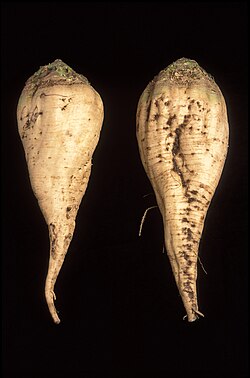
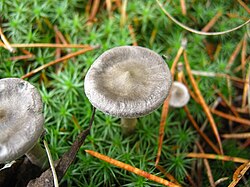
refer to captionrefer to captionrefer to captionDiagram of a coconut fruit. The albumen (endosperm) is labelled Alb.Caffeine is an alkaloid with four nitrogen atoms in its carbon skeleton.refer to captionrefer to captionrefer to captionrefer to captionrefer to captionrefer to captionrefer to captionIn the cones of pines, growth takes two years; in these Pinus edulis cones, the first year's growth, now brown, is the umbo, while the second year's growth, still green in these immature cones, is the apophysis.refer to captionBarbs occur on the spines of some species of cactus, as shown here, enlarged.refer to captionrefer to captionrefer to captionrefer to captionrefer to captionrefer to captionStructure of flower of an orchid in genus Praecoxanthus, with the callus labelledrefer to captionScanning electron micrograph of the carpopodium at the base of the achene-like fruit of Zyzyura mayana, AsteraceaeDormant leaf buds of deciduous trees are commonly protected by imbricate cataphylls that are shed when the bud sprouts.refer to captionrefer to captionrefer to captionrefer to captionrefer to captionNot all chloroplasts are simple in shape. Chloroplasts of Spirogyra are helical within the tubular cells of their algal filaments.refer to captionrefer to captionrefer to captionrefer to captionrefer to captionrefer to captionrefer to captionrefer to captionThe conical compound inflorescence of Aeonium arboreum is a compound panicle composed of minor panicles, some of which are compound in their turn.refer to captionrefer to captionrefer to captionrefer to captionrefer to captionrefer to captionrefer to captionrefer to captionrefer to captionrefer to captionrefer to captionrefer to captionDisk florets opening in a capitulum of a cultivated Helianthus. They open progressively from the edge to the center of the disk.Plants of the genus Corydalis bear seeds with attached elaiosomes, which have various functions, commonly attracting ants. On some Corydalis species, elaiosomes that attract ants also repel mice.[34]Ficus lyrata is an example of a doubly-emarginate leaf with lateral and apical emargination; it also might be seen as a basally emarginate.Petals of Heracleum sphondylium are variously emarginate at their tips. Flowers in the middle of the inflorescence have slightly emarginate petals, whereas flowers at the periphery are so deeply emarginate as to be almost cleft in two.refer to captionrefer to captionrefer to captionrefer to captionAstragalus falcatus has conspicuously falcate pods; not many falcate anatomical structures are so markedly curved.refer to captionTrunks and branches of some species of poplars contribute to the trees' fastigiate habit.refer to captionrefer to captionrefer to captionIn the wild, the leaves of Fenestraria commonly are covered in soil, except for the transparent fenestration; this permits photosynthesis while reducing damage from exposure to intense sunlight and herbivores.refer to captionrefer to captionrefer to captionrefer to captionrefer to captionLongitudinal section of immature male pine cone, showing male gametophytes (pollen grains) developing between the cone scalesrefer to captionrefer to captionrefer to captionGlumes of a grass species with a fairly large inflorescenceEpidermal hairs on plant leavesrefer to captionrefer to captionrefer to captionThe swollen haustorium of Viscum capense renders the end of the branch stunted compared to the lower part of the branch.refer to captionrefer to captionrefer to captionrefer to captionrefer to captionrefer to captionrefer to captionrefer to captionA. Rachilla B. Pinnule C. Jugary glands D. Juga (plural of jugum) E. Base of petiole F. Petiolary gland G. RachisOne form of the kettle traps of a pitcher plantrefer to captionMost Euphorbias are laticiferous and instantly exude latex when even mildly punctured.A leaf scar on Juglans regia, showing the layer of corky protective tissue that remained after the leaf separated along the abscission zone. It also shows the leaf traces of the vascular bundles that broke off when the abscission zone failed. The axillary bud associated with the leaf shows just above the scar.refer to captionrefer to captionLigule between the leaf sheath and leaf of a grassrefer to captionrefer to captionMast from beeches on the forest floorrefer to caption1: Meristem2: Columella showing statocytes with statoliths3: Lateral part of the tip4: Dead cells5: Elongation zoneMesophyll as seen in the cross section of a dicotyledonous leafA-Lower epidermisB-Lower palisade mesophyllC-Upper epidermisD-Upper palisade mesophyllE- Spongy mesophyllF-Leaf veinLongitudinal section of Pinus ovuleA=GametophyteB=Egg cellC=MicropyleD=IntegumentE=MegasporangiumA-MegasporeB-MicrosporangiumC-MegasporangiumD-MicrosporeE-SporophyllHoya carnosa secretes so much nectar that it falls in drops if no pollinators remove it.refer to captionrefer to captionrefer to captionrefer to captionrefer to captionrefer to captionrefer to captionThe thick trunk of Brachychiton rupestris accumulates moisture as a means of survival of droughts, and presents a marked example of a pachycaul habit.refer to captionrefer to captionrefer to captionrefer to captionrefer to captionrefer to captionPerfoliate leaves of Smyrnium perfoliatum with stems passing through themrefer to captionThe perigonium of a moss (red in this case), also called a splash-cup, surrounds the antheridia and aids in dispersal of sperm.refer to captionPelargonium lobatum inflorescence, with showy petals projecting from inconspicuous protective sepalsPetiolary glands on the petiole of a cherry leafrefer to captionrefer to captionrefer to captionPileus of the fruiting body of the fungus Pluteus admirabilisrefer to captionrefer to captionrefer to captionrefer to captionElectron micrographs of sections of wood of a conifer (Picea abies) show pits in the tracheid walls.refer to captionBulbinella latifolia racemes. The flowers are already open at the bottom; at the top, the axis is still growing and budding.Radicles emerging from germinating seedsrefer to captionrefer to captionrefer to captionrefer to captionrefer to captionrefer to captionrefer to captionTrametes versicolor, the turkey tail fungus, is a saprotroph that consumes dead wood in forests. Its common name comes from the conspicuously patterned brackets, but the main body of the saprotroph consists of the largely invisible mycelium that penetrates the dead wood and digests it.refer to captionAmaryllis belladonna in flower, an example of a leafless scape emerging directly from the underground bulb before the seasonal leavesInvolucral bracts of Syncarpha species are as scarious as tissue paper, but look like live petals for years, so they are known as "Everlastings" and valued for dried arrangements.Isolated sclereid or stone cell in plant tissueSclereids in gritty particles of pear tissueSepals on Geranium thunbergii, five separated behind the petals of an open flower, and a connected set enclosing an unopened budrefer to captionThe fruits of Lepidium bonariense are silicles, green and circular, with a notch at the apex.refer to captionrefer to captionrefer to captionrefer to captionrefer to captionrefer to captionSpinescent leaves of Salsola australis: stiff, narrowed, and with lobes ending in spiny pointsBird nest fungi, Nidulariaceae, bear examples of splash-cups with spores that are spread by raindrops.refer to captionrefer to captionrefer to captionSubulate leaves are narrow with an elongated, tapering tip, as seen on this species of Aloe.refer to captionrefer to captionrefer to captionTendrils of Cucurbita pepo, some supporting the stem on the frame, some failing to find a point of attachmentrefer to captionTerete raceme of Kniphofia shown together with a cross section of a peduncle. A: Inflorescence; B: Terete peduncle; C: Cross section of a terete peduncleGymnosporia buxifolia has true thorns, that is, modified branches. In some species such branches are complete with buds and leaves.Sweet potato tubers exposed, showing them to be root tubers. Morphologically, they differ from stem tubers of potatoes, for example, in that root tubers do not have nodes that bear buds. The root tubers of some species of plants, however, can produce adventitious buds for vegetative reproduction.refer to captionCorms of Crocosmia bear typical tunics formed of cataphylls growing from the nodes of the corm. The illustration shows still-living cataphylls as white tissue, whereas the functional, hard, resistant tunic is brown.Turbinate (spinning top-shaped) roots of sugar beetrefer to captionrefer to captionrefer to captionrefer to captionVelamen, the pale grey membrane covering the mature part of the root of an epiphyterefer to captionrefer to captionrefer to caption
What is the difference between a simple and a compound leaf?
A simple leaf has a single, undivided blade. A compound leaf has a blade that is divided into multiple distinct leaflets.
What are the main functions of xylem and phloem?
Xylem is responsible for the upward conduction of water and dissolved minerals from the roots to the rest of the plant. Phloem transports organic nutrients, particularly sugars produced during photosynthesis, from the leaves to other parts of the plant.
What does it mean if a plant is "deciduous"?
A deciduous plant is one that sheds its leaves annually, typically in response to seasonal changes like autumn or dry seasons.
What is the role of the endosperm in a seed?
The endosperm acts as a nutrient reservoir, providing the necessary food supply to support the developing embryo until it can begin photosynthesis.
What is the difference between an angiosperm and a gymnosperm?
Angiosperms are flowering plants that produce seeds enclosed within a fruit. Gymnosperms produce "naked" seeds, which are typically held in cones and are not enclosed in an ovary.