Sepals and the Calyx: The Protective Architecture of Flowers
In the complex world of angiosperms, or flowering plants, every part of the flower serves a specific purpose. While petals often grab our attention with their vibrant colors, the sepal plays a critical, foundational role in a plant's reproductive success. These specialized structures act as the first line of defense for a developing flower, ensuring that the delicate reproductive organs are shielded during their most vulnerable stages.
Collectively, a group of sepals is known as the calyx. Together with the petals (collectively called the corolla), the sepals form the perianth, the outermost whorl of a flower. Understanding the anatomy and function of the calyx provides deep insight into how different plant species have evolved to survive and thrive.
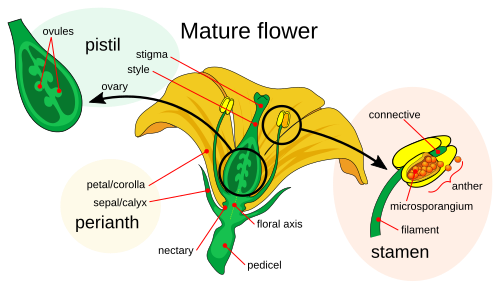
Key Facts
- Primary Function: Sepals protect the flower while it is in the bud stage and support the petals during blooming.
- Terminology: The collective term for sepals is the calyx.
- Morphology: Botanically, both sepals and petals are considered modified leaves.
- Merosity: The number of sepals in a flower is a key indicator of plant classification.
- Photosynthesis: Like leaves, sepals can perform photosynthesis, though usually at a slower rate.
Anatomy and Classification
The physical characteristics of sepals vary significantly across the plant kingdom. They are typically green, though this is not a universal rule. The way sepals are arranged and their specific number—a concept known as merosity—is a vital tool for botanists to classify plants.
Merosity and Plant Types
Merosity refers to the number of parts in a flower whorl. This number can help distinguish between major plant groups:
- Eudicots: Typically feature flowers with a merosity of four or five.
- Monocots and Palaeodicots: Usually exhibit a merosity of three, or a multiple of three.
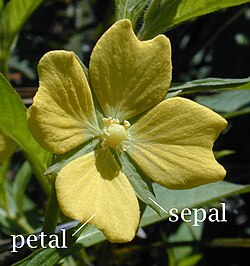
Tepals and Petaloid Structures
In many plant species, the distinction between sepals and petals is blurred. When the sepals and petals are difficult to differentiate—perhaps because they share the same color or the petals are entirely absent—the structures are referred to as tepals. When these undifferentiated tepals are brightly colored and resemble petals, they are described as petaloid. This is commonly seen in lilioid monocots, such as those in the genus Tulipa (tulips) or Aloe.
Structural Variations
Sepals are not always uniform. They can be polysepalous (free and separate from one another) or gamosepalous (fused together). In some families, such as Fabaceae and Lythraceae, the sepals are fused at the base to form a calyx tube.
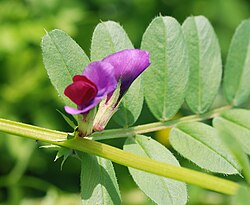
In other groups, like Rosaceae and Myrtaceae, the plant develops a hypanthium, a structure that incorporates the bases of the sepals, petals, and the points where the stamens attach. In extreme cases, such as the genus Aristolochia, the calyx can become massive; Aristolochia grandiflora boasts the largest calyx of any known plant, with a single sepal that can grow into a ribbon up to 4 meters long.
The Diverse Functions of the Calyx
While the primary role of the sepal is protection, its function often evolves after the flower has finished blooming. While many plants allow the calyx to wither or become vestigial once pollination is complete, others utilize it in fascinating ways.
Protection and Accessory Fruits
Some plants retain a thorny or hardened calyx to protect developing seeds. In certain species, the calyx expands to form a bladder-like enclosure around the fruit, acting as a shield against insects and birds. In other instances, the calyx undergoes significant growth to become an accessory fruit.
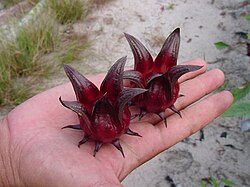
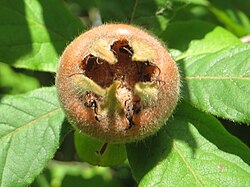
Other examples include the aubergine (Solanum melongena), where the calyx grows alongside the fruit to protect the attachment point, or the medlar, where the large calyx is a defining physical feature.
Summary of Botanical Terms
| Term | Definition | Context |
|---|---|---|
| Sepal | An individual leaf-like part of the calyx. | Protects the flower bud. |
| Calyx | The collective term for all sepals. | The outermost whorl of the flower. |
| Corolla | The collective term for all petals. | Often used to attract pollinators. |
| Perianth | The combination of the calyx and corolla. | The non-reproductive outer layers. |
| Tepal | Undifferentiated sepals and petals. | Common in lilies and tulips. |
Frequently Asked Questions
What is the difference between a sepal and a petal?
Sepals are typically green and function to protect the flower bud, while petals are usually colored and function to attract pollinators. However, in some plants, these roles and appearances overlap, leading to the term "tepalentyn".
Can sepals perform photosynthesis?
Yes, because they are modified leaves, sepals are capable of photosynthesis. However, they generally do so at a slower rate than standard leaves because they have a lower density of stomata (pores used for gas exchange).
What does "merosity" mean in botany?
Merosity refers to the number of parts in a single whorl of a flower. For example, a flower with five sepals has a merosity of five. This number is a key characteristic used to identify plant families.
What is a calyx tube?
A calyx tube occurs when the sepals are fused together at their bases, creating a tubular structure that often surrounds the petals and other floral organs.
Why do some calyces grow after the flower blooms?
In some species, the calyx continues to grow to protect the developing fruit or seeds from predators like birds and insects, or to provide structural support at the fruit's attachment point.