Staminodes: The Fascinating Role of Sterile Stamens in Botany
In the complex architecture of a flower, every part typically serves a specific purpose, from attracting pollinators to producing the genetic material necessary for reproduction. However, some floral structures deviate from this standard reproductive role. These structures are known as staminodes.
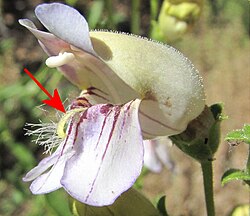
A staminode is a modified stamen that has become rudimentary, sterile, or abortive. Unlike functional stamens, a staminode does not produce pollen. While they are often inconspicuous and tucked away within the inner whorl of a flower, they can vary significantly in appearance and function across different plant species.
Key Facts
- Definition: A staminode is a sterile or abortive stamen that does not produce pollen.
- Location: They are typically found in the inner whorl of a flower.
- Function: While often inconspicuous, they can be modified to produce nectar or serve as visual attractants.
- Identification: Staminodes are vital characteristics used by botanists to differentiate between various plant species.
Diverse Functions and Appearances
Staminodes are not merely "useless" leftovers of evolution; they often undergo specialized modifications that allow them to play active roles in a plant's survival and reproductive success.
Nectar Production
In some species, such as the witch-hazel (Hamamelis), staminodes have evolved to become specialized organs for nectar production, helping to lure pollinators to the flower.
Visual Attraction and Petal Mimicry
In other instances, staminodes take on a highly visible role. In cannas, the actual petals are relatively inconsequential to the flower's appearance. Instead, the staminodes have been refined into eye-catching, petal-like structures that provide the plant's primary visual appeal.
Perhaps the most spectacular example of this phenomenon is found in Couroupita guianensis, a tropical tree from South America commonly known as the cannonball tree. Its unique floral structure showcases the dramatic potential of staminode modification.
The Importance of Staminodes in Taxonomy
For botanists and researchers, staminodes are more than just curiosities; they are essential tools for taxonomy, the science of naming, describing, and classifying organisms. Because the shape, size, and position of staminodes can be so consistent within a group, they serve as critical diagnostic features.
For example, the specific characteristics of staminodes are used to differentiate between species within the penstemon genus. Similarly, in the orchid genus Paphiopedilum, these sterile stamens are key identifiers used to distinguish one species from another.
Summary of Staminode Variations
| Plant Type/Genus | Primary Staminode Function/Appearance |
|---|---|
| Witch-hazel (Hamamelis) | Nectar production |
| Cannas | Petal-like visual replacements |
| Cannonball tree (Couroupita guianensis) | Spectacular, highly modified structures |
| Penstemons & Paphiopedilum | Key characteristic for species differentiation |
Frequently Asked Questions
What is the main difference between a stamen and a staminode?
The primary difference is fertility. A standard stamen is a functional reproductive organ that produces pollen, whereas a staminode is a sterile or abortive version that does not produce pollen.
Where are staminodes usually located in a flower?
They are most commonly found located within the inner whorl of the flower, though some species have staminodes long enough to protrude from the corolla (the petals).
Can a staminode be used to attract pollinators?
Yes. While many are inconspicuous, some staminodes are modified to produce nectar or have evolved to look like colorful petals to attract insects and other pollinators.
Why are staminodes important to scientists?
Staminodes are critical for identifying and differentiating between plant species. Because their morphology is often distinct, they serve as important markers in botanical classification.
Are all sterile stamens considered staminodes?
In botanical terms, a staminode refers to a stamen that is rudimentary, sterile, or abortive, often serving a specialized secondary function or simply remaining as a vestigial structure.