The Complete Guide to Blackcurrants: Nutrition, Cultivation, and Uses
The blackcurrant (Ribes nigrum), also known as cassis, is a versatile deciduous shrub—a plant that sheds its leaves annually—belonging to the Grossulariaceae family. Native to the temperate regions of northern Asia and central northern Europe, this plant thrives in damp, fertile soils. Because of its hardy nature and delicious fruit, it is widely cultivated for both commercial production and home gardening.
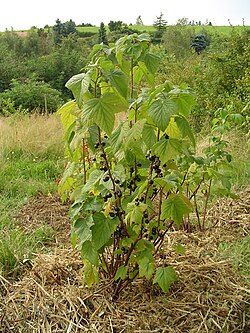
Key Facts
- Scientific Name: Ribes nigrum
- Primary Nutrients: Exceptionally high in Vitamin C and polyphenols.
- Native Habitat: Northern Europe and Northern Asia.
- Common Uses: Jams, syrups, juices, alcoholic beverages, and dyes.
- Growth Habit: A medium-sized shrub reaching up to 1.5 metres (5 feet) in height and width.
Botanical Profile and Description
A mature blackcurrant bush is a medium-sized shrub, typically growing to about 1.5 by 1.5 metres. Its leaves are palmate—meaning they are shaped like a hand with lobes—and feature serrated edges. All parts of the plant are known for their strong, distinctive aroma.
During the flowering season, the plant produces flowers in long clusters called strigs (or racemes). These strigs can reach up to 8 cm in length and contain between 10 and 20 flowers. While the plant is somewhat self-pollinating, it benefits significantly from insect pollination. However, environmental factors like frost can be a risk; temperatures falling below −1.9 °C (28.6 °F) can damage both open and unopened flowers.
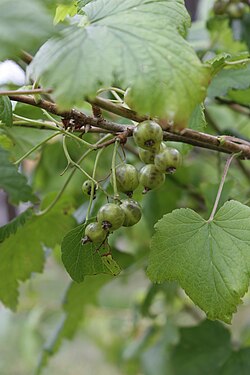
In midsummer, the green fruit matures into glossy, dark purple, almost black berries. An established bush is quite productive, capable of yielding approximately 4.5 kilograms (10 pounds) of fruit annually. While most blackcurrants are dark, certain cultivars, such as the 'Vertti' variety found in Finland, produce green fruit that is sweeter and less aromatic than the standard variety.
Nutritional Value and Phytochemicals
Blackcurrants are considered a nutritional powerhouse. They are particularly rich in polyphenols—natural plant compounds investigated for their potential biological activities—and anthocyanins, which are the pigments responsible for the fruit's deep dark color. The seeds are also a significant source of Vitamin E and unsaturated fatty acids, such as alpha-linolenic acid.
A 100g serving of raw blackcurrant provides a substantial amount of essential nutrients, most notably a massive dose of Vitamin C. Below is a summary of the nutritional composition of the raw fruit:
| Nutrient | Quantity | % Daily Value (DV) |
|---|---|---|
| Energy | 63 kcal | - |
| Carbohydrates | 15.4 g | - |
| Protein | 1.4 g | - |
| Fat | 0.4 g | - |
| Vitamin C | - | ~201% - 218% |
| Iron | - | 9% - 12% |
| Manganese | - | 11% - 12% |
| Potassium | - | 11% |
Cultivation and Care
Blackcurrants prefer damp, fertile ground with a soil pH of approximately 6. While they are winter hardy, they are intolerant of drought. For successful growth, gardeners should provide essential nutrients: nitrogen for leaf and flower growth, phosphorus for fruit setting, and potassium to increase fruit weight. Magnesium and calcium are also vital for chlorophyll production and cell division.
When planting, it is best to use two-year-old bushes in the autumn or winter. In the UK, it is common practice to plant young bushes slightly deeper than their original level to encourage new stems to grow from the base. To manage weeds and maintain moisture, an organic mulch such as bark, straw, or compost is recommended.
Pruning and Harvesting
Pruning is essential for maintaining a productive bush. Newly planted shrubs should be pruned severely to establish a strong foundation. For established plants, the general rule is to remove about one-third of the main branches each year, focusing on thinning out old, unproductive wood and removing weak or sideways-growing shoots. This ensures the plant's energy is directed toward the one-year-old shoots that bear most of the fruit.
Harvesting methods vary depending on scale. In home gardens, berries are picked by hand when they are dry and ripe. Commercially, much of the harvest is done using straddle harvesters—large machines that move between rows and shake the branches to strip the fruit. Modern machinery is highly efficient, with a single operator able to harvest up to fifty tonnes in a day.
Challenges: Pests and Diseases
Growing blackcurrants requires vigilance against several biological threats. One of the most serious is reversion, a disease spread by the blackcurrant gall mite. It causes swollen buds and changes in leaf shape; because it is difficult to control, infected bushes should be destroyed. Another significant issue is white pine blister rust. This fungus requires two hosts to complete its life cycle: the blackcurrant and white pine trees. Due to this threat, blackcurrants were actually banned in the United States for much of the 20th century to protect the logging industry.
Other common issues include:
- Mildews: Both American gooseberry mildew and powdery mildew can affect leaves and shoots.
- Sawflies: The larvae of the blackcurrant sawfly can strip a bush of its leaves.
- Currant Borer: These larvae drill into the centers of shoots, causing them to wilt and die.
- Botrytis: A fungus that can cause fruit rot during wet seasons.
Culinary and Commercial Uses
The strong, tart flavor of the blackcurrant makes it a staple in many cuisines. Because the fruit is high in pectin and acid, it sets easily into jams and jellies. It is frequently used to create purées for desserts like cheesecakes, yogurts, and sorbets. In savory cooking, its astringency complements meats such as roast beef, lamb, and duck.
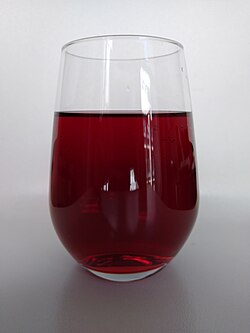
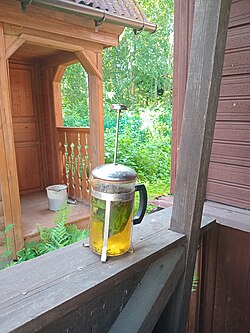
In the beverage industry, blackcurrants are incredibly popular. In Britain, a vast majority of the crop is used to produce fruit juices and syrups, such as the well-known brand Ribena. The fruit is also the primary ingredient in crème de cassis, a liqueur used in classic cocktails like the Kir Royale. In Russia, the leaves are sometimes used to flavor tea or even infused into vodka.
Beyond food and drink, blackcurrants serve other purposes. The leaves can be used to produce a yellow dye, while the fruit provides blue or violet dyes. Additionally, the unopened buds are distilled to create essential oils for the perfumery industry, offering a complex aroma described as nutmeg-like and herbal.
Frequently Asked Questions
What are the main health benefits of blackcurrants?
Blackcurrants are an exceptional source of Vitamin C, providing over 200% of the daily recommended intake in a small serving. They are also rich in polyphenols and antioxidants, which are beneficial for various biological activities.
Why were blackcurrants banned in the United States?
For much of the 20th century, blackcurrants were banned in the U.S. because they act as a host for white pine blister rust, a disease that can be fatal to white pine trees, which are vital to the American logging industry.
Can I grow blackcurrants in my garden?
Yes, provided you have damp, fertile soil with a pH of around 6. They are winter hardy but require regular feeding with nitrogen, phosphorus, and potassium to produce a good crop.
What is the difference between a blackcurrant and a "greencurrant"?
Greencurrants, such as the 'Vertti' variety, are a variant cultivated in Finland. They lack the dark color and the intense, strong aroma characteristic of the standard blackcurrant, offering a sweeter flavor instead.
How should I prune my blackcurrant bushes?
For new bushes, prune them back to two buds above the ground to help them establish. For established bushes, remove about one-third of the main branches each year, focusing on removing old wood and weak shoots to encourage new growth.