Belize: A Vibrant Blend of Maya Heritage and Caribbean Culture
Nestled on the eastern coast of Central America, Belize is a land of striking contrasts, where lush tropical jungles meet the turquoise waters of the Caribbean Sea. From its ancient roots as a center of the Maya civilization to its history as a British colony, Belize has evolved into a diverse, multicultural nation known for its commitment to environmental preservation and its unique ethnic tapestry.
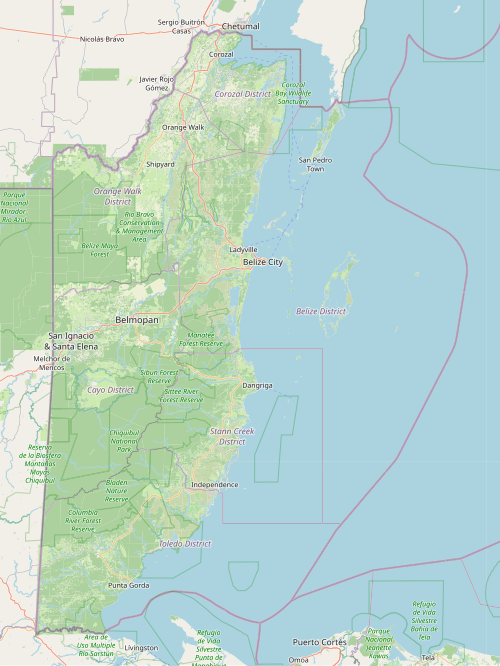
Today, Belize operates as a unitary parliamentary constitutional monarchy, maintaining a symbolic link to the British Crown while forging its own path as a sovereign state. Its capital, Belmopan, serves as the administrative heart, while Belize City remains the largest urban center.
Key Facts
- Official Language: English, though Spanish, Belizean Creole, and Mayan are widely spoken.
- Government: Unitary parliamentary constitutional monarchy under King Charles III.
- Geography: Home to the Belize Barrier Reef and the world-famous Great Blue Hole.
- Demographics: A diverse population including Mestizo, Afro-Caribbean, Maya, and Garifuna groups.
- Economy: Heavily reliant on tourism and agricultural exports, particularly sugar.
- Independence: Gained full independence from the United Kingdom on September 21, 1981.
History and Evolution
Ancient Maya Roots
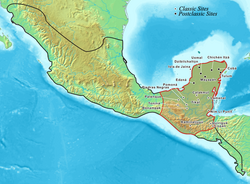
Long before colonial contact, the region was a vital part of the Maya civilization. The area was divided into provinces, such as the Chetumal province around Corozal Bay and the Dzuluinicob province, which stretched between the lower New River and the Sibun River. These early inhabitants established complex societies that left a lasting architectural and cultural legacy across the landscape.
Colonial Era and British Honduras
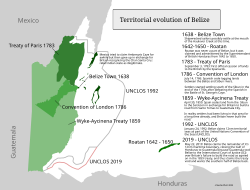
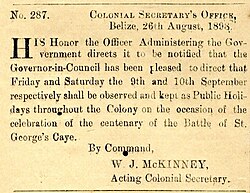
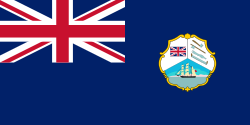
The colonial period saw the region transition into a British territory, eventually known as British Honduras. This era was marked by the development of the logging industry and a gradual shift toward self-governance. A pivotal moment in national identity was the Battle of St. George's Caye, which is still commemorated as an official holiday.
The Path to Independence
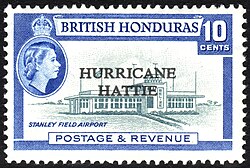
Belize moved toward self-governance in January 1964, eventually achieving full independence from the United Kingdom on September 21, 1981. Despite its independence, the nation has faced ongoing territorial disputes with Guatemala and continues to navigate indigenous land claims.
Geography and Natural Wonders
Biodiversity and the Barrier Reef
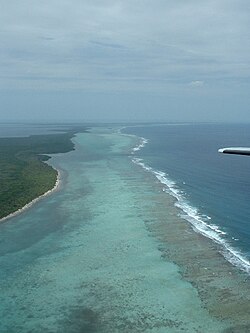
Belize is globally recognized for its extraordinary biodiversity. The Belize Barrier Reef is one of the most significant marine ecosystems in the world, hosting 70 species of hard coral, 36 species of soft coral, and approximately 500 species of fish.
Karst Topography and the Great Blue Hole
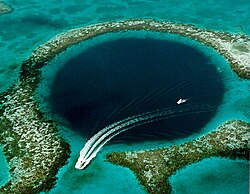
The country's landscape is characterized by karst topography—a geological formation created by the dissolution of soluble rocks. The most famous example of this is the Great Blue Hole, a massive marine sinkhole that attracts divers and scientists from around the globe.
Climate and Environment
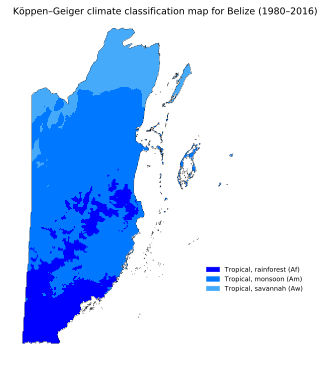
Belize experiences a tropical climate, as categorized by the Köppen climate classification. While the environment is lush, the country is susceptible to hurricanes and the broader impacts of climate change, necessitating robust conservation efforts.
Government and Administration
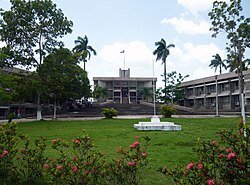
The government of Belize is led by the Prime Minister, with the National Assembly serving as the legislature. The assembly is divided into two houses: the Senate (Upper House) and the House of Representatives (Lower House).
Administrative Districts
The country is organized into six administrative districts, each with its own capital and unique demographic profile. Cayo is the largest by area, while the Belize District is the most populous.
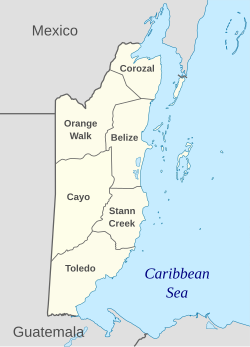
| District | Capital | Area (km²) | Population (2022) |
|---|---|---|---|
| Belize | Belize City | 4,310 | 113,630 |
| Cayo | San Ignacio | 5,200 | 99,105 |
| Corozal | Corozal Town | 1,860 | 45,310 |
| Orange Walk | Orange Walk Town | 4,600 | 54,152 |
| Stann Creek | Dangriga | 2,550 | 48,162 |
| Toledo | Punta Gorda | 4,410 | 37,124 |
Economy and Infrastructure
Belize's economy is a mix of agriculture and services. Sugar remains one of the top exports, processed in plants such as those in Orange Walk Town. Tourism, driven by the reef and Maya ruins, is another primary economic pillar.
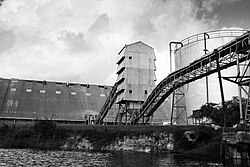
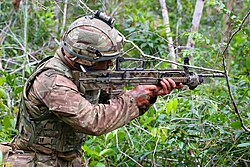
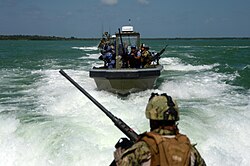
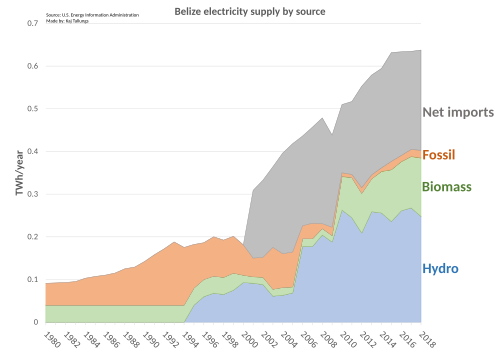
In terms of energy, the country is diversifying its electricity supply to ensure sustainability. Security and defense are managed through the Belizean Coast Guard and collaborations with international partners, including the United States Navy and the British military.
Society and Culture
Ethnic Diversity
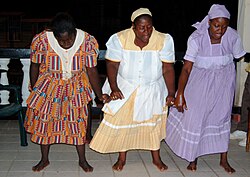
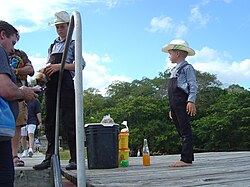
Belize is a melting pot of ethnicities. The 2010 census highlights a population composed primarily of Mestizos (52.9%), Afro-Caribbeans (25.9%), and Maya (11.3%), alongside Garifuna, East Indian, and Mennonite communities.
Language and Religion
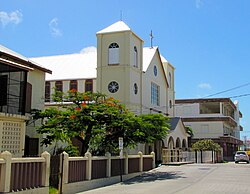
While English is the official language, Belizean Creole (Kriol) is widely spoken. Spanish is also prevalent, reflecting the country's proximity to Latin America. Religiously, Christianity is the dominant faith, though a significant portion of the population identifies as having no religion.
Cultural Heritage and Cuisine
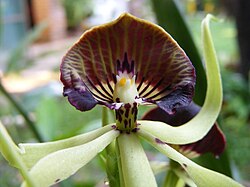
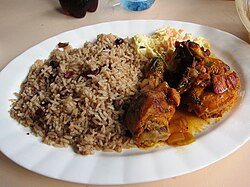
The culture of Belize is reflected in its music, sports, and cuisine. A staple inter-ethnic meal consists of rice and beans cooked with coconut milk, served with stewed chicken and potato salad. The nation also takes pride in its natural symbols, such as the black orchid.
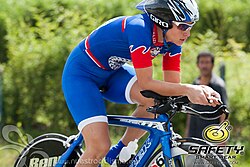
Belizeans also excel in international sports, with athletes like cyclist Shalini Zabaneh bringing recognition to the nation.
Frequently Asked Questions
What is the official language of Belize?
The official language is English, although Belizean Creole, Spanish, and various Mayan languages are commonly spoken throughout the country.
What is the Great Blue Hole?
The Great Blue Hole is a massive marine sinkhole and a prime example of karst topography, located off the coast of Belize and popular for scuba diving.
When did Belize become independent?
Belize gained its full independence from the United Kingdom on September 21, 1981.
What are the primary ethnic groups in Belize?
The largest ethnic groups are the Mestizo, Afro-Caribbean (including Creole and Garifuna), and Maya, along with smaller Mennonite and East Indian populations.
What is the main export of Belize?
Sugar is one of the top agricultural exports for the country, playing a significant role in the national economy.