Beekeeping: The Ancient Art and Modern Science of Apiculture
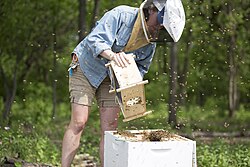
Beekeeping, scientifically known as apiculture (derived from the Latin apis for bee and culture), is the practice of maintaining bee colonies, typically within artificial hives. While honey bees of the genus Apis are the most common species managed by apiarists, other varieties, such as the stingless Melipona bees, are also cultivated. Beekeepers manage these colonies in specialized locations known as an apiary or "bee yard."
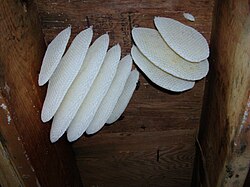
Beyond the famous production of honey, apiculture serves a vital role in global agriculture through crop pollination. Beekeepers also harvest a variety of valuable hive by-products, including beeswax, propolis, bee pollen, and royal jelly. In many regions, beekeeping provides diverse income streams through the raising of queens and the sale of package bees.
Key Facts
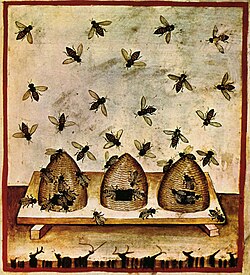
- Primary Species: Most commonly the genus Apis (honey bees).
- Core Products: Honey, beeswax, propolis, bee pollen, and royal jelly.
- Economic Uses: Honey production, crop pollination, queen rearing, and selling package bees.
- Historical Roots: Evidence of honey collection dates back to 6,000 BCE in Spain.
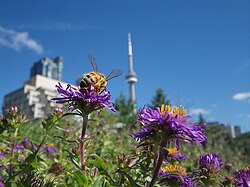
- Modern Trends: Urban beekeeping is a growing movement, with city bees sometimes showing higher health due to biodiversity and fewer pesticides.
The Long History of Apiculture
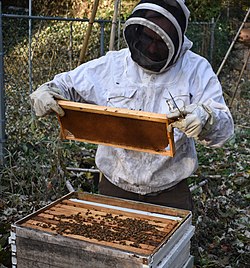
Humanity's relationship with bees spans millennia. The earliest archaeological evidence of humans collecting honey is found in Spanish cave paintings dating to approximately 6,000 BCE.
![Honey seeker depicted on 8,000-year-old cave painting near Valencia, Spain[5]](/images/83/65/83652236ce247d40b7eab06e5893782b4f137b41a00c7a9466894c95f0ff10bc.webp)
By 3,100 BCE, evidence suggests that beekeeping was already being practiced in Egypt. However, some of the most significant archaeological finds regarding organized beekeeping were discovered at Rehov, Israel. In this Bronze and Iron Age site, archaeologist Amihai Mazar uncovered thirty intact hives made of straw and unbaked clay dating to roughly 900 BCE.
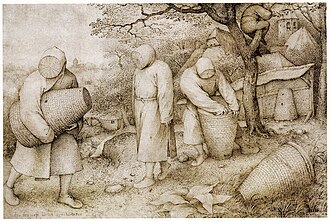
These ancient hives were arranged in orderly rows, three levels high. This sophisticated setup could have housed approximately 100 hives and over one million bees, with a potential annual yield of 500 kilograms of honey and 70 kilograms of beeswax, indicating a highly advanced honey industry 3,000 years ago.
Modern Beekeeping and Hive Technology
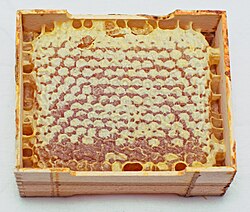
In the modern era, beekeeping has evolved from a survival necessity into both a large-scale agricultural business and a popular hobby. As technology has advanced, the accessibility of the practice has increased, leading to the rise of urban and backyard beekeeping.
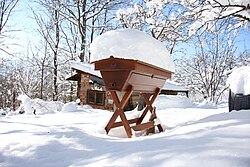
Evolution of Hive Designs
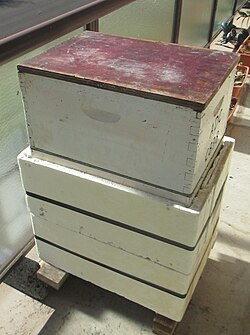
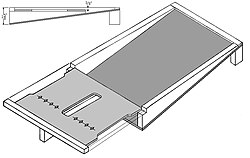
Hive designs have transitioned from natural cavities to highly engineered structures. Modern beekeepers use various systems to manage colonies effectively:
- Vertical Stackable Hives: Designed for efficiency and ease of management.
- Horizontal Hives: Often used in different management styles, such as top bar hives.
- Specialized Systems: Various historical and modern designs, such as Prokopovych's system, have contributed to the field.
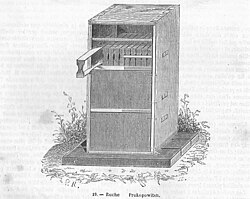
Essential Beekeeping Equipment
To manage bees safely and efficiently, apiarists rely on specialized tools:
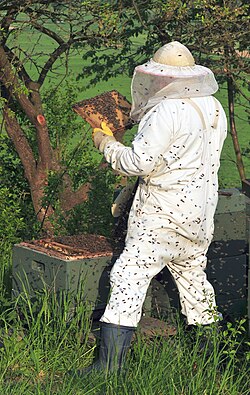
- Protective Clothing: Essential for preventing stings during inspections.
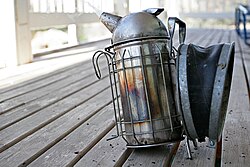
- Bee Smoker: Used to calm bees during hive manipulation.
- Hive Tool: A metal tool used to pry apart frames and hive components.
- Honey Extractor: A device, pioneered by Major Francesco De Hruschka in 1865, that uses centrifugal force to remove honey from combs without destroying them.
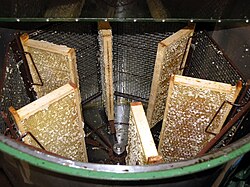

Bee Behavior and Colony Management
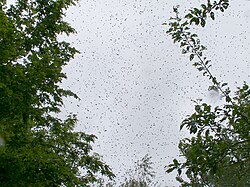
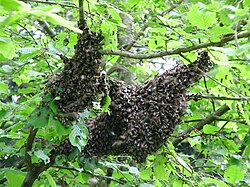
Successful beekeeping requires an understanding of honey bee biology and behavior. One of the most significant natural behaviors is swarming, which is the process by which a colony reproduces by splitting into two. According to experts like George S. Demuth, several factors can trigger this instinct:
- The specific genetics and strength of the bees' swarming instinct.
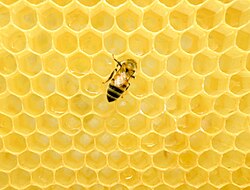
- Congestion within the brood nest (the area where the queen lays eggs).
- A lack of empty combs for storing honey or ripening nectar.
- Inadequate ventilation within the hive.
- The presence of an aging queen.
Beekeepers must also manage various threats to colony health, including diseases, parasites (such as mites), and natural predators. Maintaining the correct internal temperature and hive location is also critical for colony survival.
Global Apiculture Overview
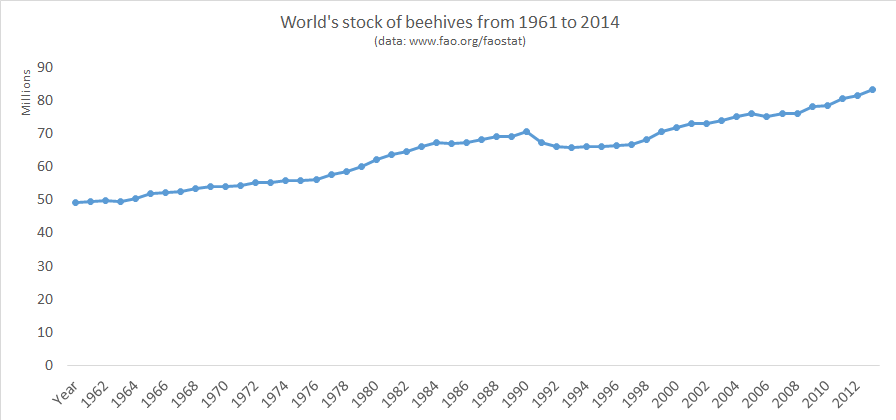
Beekeeping is a global industry with varying scales of production and consumption. While some countries focus heavily on honey production for export, others maintain large numbers of hives primarily for pollination services.
| Region/Country | Production (1,000 metric tons) | Consumption (1,000 metric tons) | Number of Beehives |
|---|---|---|---|
| China | 444.1 | 238 | - |
| Turkey | 109.33 | 66 | 4,500,000 |
| United States | 71.18 | 158.75 | 2,812,000 |
| Argentina | 93.42 | 3 | 2,984,290 |
| Ukraine | 69.94 | 52 | - |
| Ethiopia | 41.23 | 40 | 4,400,000 |
Frequently Asked Questions
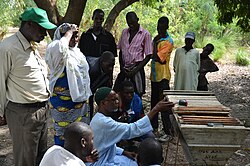
![A beekeeper who finds another's practices inadequate may insult them by calling them a mere "bee-haver".[114][115]](/images/34/24/3424bd9ee7f1d21895fb82cd9336d41d9196956e01d62e3d1ca878385f0f355c.png)
What are the main products collected from a beehive?
Beekeepers primarily collect honey, but they also harvest beeswax, propolis, bee pollen, and royal jelly.
Why do bees swarm?
Swarming is a natural method of colony reproduction. It is often triggered by congestion in the brood nest, insufficient space for honey storage, poor ventilation, or the genetics of the colony.
Is urban beekeeping safe and effective?
Yes, urban beekeeping is a growing trend. Some studies suggest city bees may be healthier than rural bees due to greater biodiversity and lower exposure to certain pesticides.
What is the difference between an apiary and a beehive?
A beehive is the individual structure that houses a bee colony, whereas an apiary (or bee yard) is the location where multiple hives are kept.
How is honey extracted from the comb?
Modern honey extraction typically uses a honey extractor, which employs centrifugal force to spin the honey out of the combs, allowing the wax combs to remain intact for reuse.