Beekeeping: The Art and Science of Managing Honey Bee Colonies
A beekeeper is a person dedicated to the care and management of honey bees, a profession formally known as beekeeping or apiculture. While the term refers to those who maintain bees in hives, boxes, or other specialized receptacles, it is important to note that a beekeeper does not control the insects. Instead, they own the equipment and the hives, providing a clean, dark, and sheltered environment that encourages bees to return after foraging. The bees remain free to leave the hive to swarm or forage as they desire.
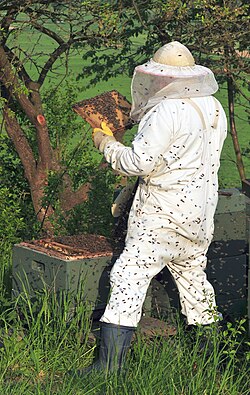
Beekeepers are known by several professional titles, including apiarists, honey farmers, or more scientifically, apiculturists (derived from the Latin apis, meaning bee). Whether practiced as a quiet hobby or a massive commercial enterprise, beekeeping plays a vital role in both the economy and the natural ecosystem.
Key Facts
- Primary Products: Honey, beeswax, pollen, propolis, and royal jelly.
- Pollination Services: Beekeepers move hives to assist fruit and vegetable growers with crop pollination.
- Commercial Impact: While commercial beekeepers make up only about 5% of bee keepers, they produce roughly 60% of the world's honey.
- Specialization: Some beekeepers focus exclusively on queen breeding to supply other farmers.
- Economic Value: In some regions, such as Kenya, honey has been reported to be worth more than oil.
The Diverse Purposes of Beekeeping
Beekeeping serves various functions, ranging from the production of valuable commodities to providing essential ecological services. The scale of an operation—whether it is a small backyard setup or a massive industrial farm—is often determined by the beekeeper's primary goal.
Commodity Production
The most significant revenue generator for many is honey. Beekeepers may sell liquid honey or honeycombs through retail channels, self-brokering, or via commercial distributors. Beyond honey, other valuable products include beeswax, pollen, propolis, and royal jelly. For instance, Taiwanese beekeepers are notable exporters of royal jelly, a high-nutrition food supplement used to feed queen bees.
Pollination Services
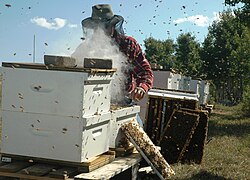
Many beekeepers operate without ever selling honey, focusing instead on pollination services. These specialists move vast quantities of hives at night to ensure that crops like almonds, apples, cherries, blueberries, melons, and squash have sufficient insect activity for maximum production. The economic impact is massive; in 2016, almond production in the U.S. alone accounted for 86% of all expenditures on pollination services.
Queen Breeding
Queen breeders are specialists who focus on raising queen bees. By maintaining select stock with superior genetic qualities and utilizing tools like Jenter kits, they can produce large numbers of queens efficiently. These queens are sold to honey producers, pollinators, or hobbyists looking to expand their colonies.
Classifications of Beekeepers
Beekeepers are generally categorized into three main groups based on the scale and intent of their operations.
Hobby Beekeepers
Most beekeepers fall into this category. They typically manage only a few hives, driven by an interest in ecology and natural science. For hobbyists, honey is often a secondary by-product. Because of the significant initial investment in equipment and labor, hobby beekeeping is rarely a major profit driver outside of Europe, where demand for organic bee products is high.
Sideline Beekeepers
A sideline beekeeper maintains a secondary source of income. They aim to make a profit but rely on another primary job. A sideline operator might manage up to 300 colonies, potentially producing 10–20 metric tons of honey annually.
Commercial Beekeepers
Commercial operations are massive enterprises managing hundreds to tens of thousands of colonies. While they represent a small percentage of total beekeepers, their output is dominant. Historically, figures like Petro Prokopovych in Ukraine and Moses Quinby in the U.S. paved the way for modern giants. Today, enterprises like Adee Honey Farm in South Dakota (80,000 colonies) and Comvita in New Zealand (30,000+ colonies) lead the industry.
Summary of Beekeeping Scales
| Type | Typical Scale | Primary Motivation |
|---|---|---|
| Hobbyist | A few hives | Ecology, science, and personal interest |
| Sideline | Up to 300 colonies | Supplemental income |
| Commercial | Hundreds to 50,000+ colonies | Large-scale commodity and pollination production |
Equipment and Safety
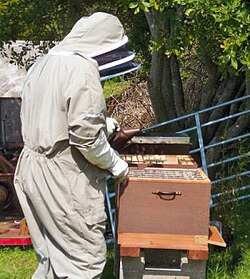
Working with bees requires specific protective gear to prevent injury. Beekeepers typically wear protective suits that cover them from head to toe, including specialized gloves and a veil to protect the face and neck from stings.
Historical and Cultural Significance
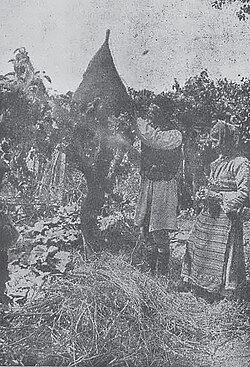
Beekeeping has a rich history, with notable figures contributing to the science of genetics and tool construction. From the early commercial efforts of the 19th century to the scientific contributions of individuals like Gregor Mendel, the profession has evolved significantly. Even in popular culture, beekeeping appears, such as in the literature featuring Sherlock Holmes, who is depicted retiring to keep bees.

Frequently Asked Questions
What are the main products harvested from bees?
The primary commodities include honey, beeswax, pollen, propolis, and royal jelly.
Do beekeepers control the bees?
No. Beekeepers own the hives and equipment, but the bees are free to forage or swarm as they choose. The beekeeper simply provides a suitable home.
Is beekeeping a profitable business?
It can be, but it requires significant initial investment. Most commercial operations expect to see profits only after the second or third year of operation.
What is pollination service?
This is a service where beekeepers move hives to agricultural areas (like almond or apple orchards) to ensure crops are properly pollinated, for which the beekeeper is paid a fee.
What should I consider before keeping bees in my backyard?
You must consider the legal aspects, as different cities and municipalities have different laws and regulations regarding the use of beehives in residential areas.