Pollen Sources: Essential Nutrition for Honeybee Colonies
In the world of beekeeping, a pollen source refers to the various flowering plants that provide vital nutrients to bees and other insects. While nectar is often celebrated for honey production, pollen serves a different, equally critical purpose: it is the primary protein source required to raise the colony's brood. This relationship is symbiotic; as bees collect pollen, they act as pollinators, facilitating the sexual reproduction of plants through the movement of genetic material.
Plants vary in how they reproduce. Some are self-fertile, meaning they can provide their own pollen, but still benefit from a pollinator to move it. Others rely entirely on cross-pollination—the transfer of pollen from a genetically different source—to produce viable seeds. Honeybees are among the most effective pollinators assisting in this essential biological process.
The Science of Pollen Collection and Nutrition
The availability of pollen in any given region is dictated by local vegetation and the duration of bloom periods. These factors are influenced by environmental variables such as soil texture, pH, drainage, precipitation, and temperature. For beekeepers in USDA Hardiness zone 5, predicting bloom times can be achieved by calculating growing degree days, a measure of heat accumulation used to predict plant development.
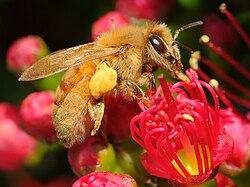
When a honeybee returns to the hive, it unloads its pollen from the pollen basket (corbicula) located on its hind legs. Once inside, worker bees mix this dry pollen with nectar, honey, enzymes, and naturally occurring airborne yeast. They then compact this mixture into hexagonal wax cells within the honeycomb to create bee bread, a fermented food source.
Dry pollen is a nutrient-dense substance, typically containing:
- 16–30% protein
- 1–10% fat
- 1–7% starch
- Various vitamins and micronutrients
To successfully rear a single worker bee from the larval stage to adulthood, the colony requires approximately 120 to 145 mg of pollen. On an annual basis, an average colony may collect between 20 and 57 kg (44 to 125 pounds) of pollen.
Seasonal Pollen Availability
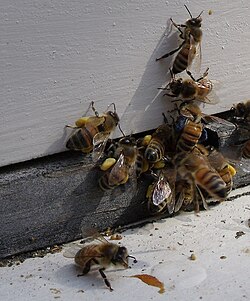
Pollen colors can vary significantly depending on the plant species, which is often reflected in the color of the pollen loads seen at the hive entrance. Below is a summary of key pollen sources categorized by season.
| Season | Plant Type | Example Species | Bee Source Quality |
|---|---|---|---|
| Spring | Trees/Shrubs | Willows, Apples, Cherry | Good to Very Good |
| Spring | Flowers/Crops | Canola, Dandelions, Clover | Very Good |
| Summer | Trees/Shrubs | Basswood, Linden | Very Good |
| Summer | Flowers/Crops | Sunflower, Buckwheat, Poppy | Good to Very Good |
| Fall | Flowers/Crops | Goldenrod, Aster | Variable |
Spring Pollen Sources
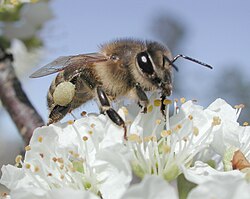
Spring is a critical period for colony buildup. Trees such as Willows (Salix spp.) and Apples (Malus domestica) provide excellent resources. Notable spring flowers include Canola, which is an extensively cultivated and very good source, and Dandelions, which are highly available in feral environments.
Summer Pollen Sources
As temperatures rise, summer plants like Basswood (Tilia americana) and Buckwheat (Fagopyrum esculentum) become vital. Foraged crops such as Sunflowers and Poppies (specifically the Opium poppy, which is a very good source) provide sustained nutrition through the warmer months.
Fall Pollen Sources
As the growing season winds down, Goldenrod and Aster provide essential pollen during the autumn months, helping the colony prepare for winter.
Key Facts
- Protein Requirement: It takes 120–145 mg of pollen to raise one worker bee from larva to adult.
- Annual Collection: A single colony can collect 20–57 kg of pollen per year.
- Bee Bread: This is a fermented mixture of pollen, nectar, honey, and yeast stored in honeycomb cells.
- Nutrient Profile: Dry pollen contains up to 30% protein and up to 10% fat.
- Pollination: Bees facilitate cross-pollination, which is essential for plants that are not self-fertile.
Frequently Asked Questions
What is the difference between pollen and bee bread?
Dry pollen is the raw material collected from flowers. Bee bread is the processed, fermented version created by worker bees mixing pollen with nectar, honey, and enzymes for easier consumption and storage.
Why is pollen so important for a bee colony?
Pollen is the primary protein source for the colony. It is specifically required for the development of the brood (larvae) as they grow into adult bees.
How do bees carry pollen?
Bees collect pollen and store it in specialized structures called pollen baskets, located on their hind legs.
Does the color of pollen matter?
The color of the pollen arriving at the hive indicates the specific plant species the bees have been visiting, as different plants produce different colored pollen (e.g., lemon, red, or light olive).
What environmental factors affect pollen availability?
The amount of pollen available depends on vegetation types and bloom periods, which are influenced by soil pH, drainage, temperature, precipitation, and growing degree days.