Beeching Cuts: The Restructuring of Great Britain's Railway Network
The Beeching cuts, widely known as the Beeching Axe, represent one of the most controversial periods in British transport history. During the 1960s, a massive series of route closures and service changes were implemented to restructure the nationalised railway system of Great Britain. Named after Dr. Richard Beeching, the chair of the British Railways Board, these changes were designed to stem mounting financial losses and improve the economic efficiency of a network struggling to compete with the rise of road transport.
While the primary focus was on cutting costs, the programme also introduced modernisations, such as containerisation—the practice of using standardised containers for rail freight—and the integration of bus services to connect passengers to remaining railheads.
Key Facts
- Primary Goal: To reduce the massive financial deficits of the nationalised railway system.
- Scale of Cuts: The first report proposed closing 2,363 stations and 5,000 miles of track.
- Job Losses: Approximately 67,700 British Rail jobs were eliminated.
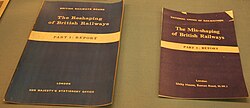
- Key Reports: The Reshaping of British Railways (1963) and The Development of the Major Railway Trunk Routes (1965).
- Long-term Impact: Many closed lines became heritage railways, cycleways, or were reclaimed by nature.
The Road to the Axe: Post-War Decline
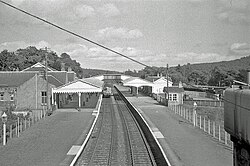
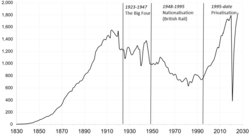
The crisis facing the railways did not begin with Dr. Beeching. Following World War II, the network was in a state of disrepair and was nationalised as British Railways in 1948. By this time, the growth of road transport was already eroding rail's dominance; freight moved by road had reached 8 million tons annually by 1921, and many passenger lines had already closed between 1923 and 1939.
Between 1948 and 1962, the Branch Lines Committee of the British Transport Commission (BTC) had already closed or converted to freight-only some 3,318 miles of track. Despite these early efforts, by 1961, the railways were losing £300,000 per day. This financial hemorrhage led the government to seek outside expertise, appointing Richard Beeching to lead the restructuring.
![Rail share of passenger transport (1952–2023)[71]](/images/5f/df/5fdf92ac538f108b79d978ed844d3647daedf49b58f0bf8dc52a5b390825efbc.webp)
The Beeching Reports
The Reshaping of British Railways (Beeching I)
In his 1963 analysis, Beeching examined traffic flows to separate profitable routes from those that were "indifferent" or "bad." His findings were stark: the least-used 50% of stations contributed only 2% of total passenger revenue, and one-third of the route miles carried just 1% of all passengers. Consequently, he recommended the total closure of 6,000 miles of railway—mostly rural and industrial lines—and the closure of 2,363 stations.
The Development of the Major Railway Trunk Routes (Beeching II)
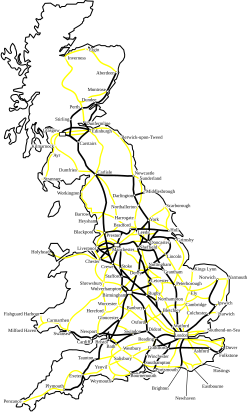
The second report, published in 1965, focused on the "trunk" network. Beeching argued that the system suffered from excessive duplication. Out of 7,500 miles of trunk railway, he identified only 3,000 miles that should be selected for future investment and development. This strategy prioritised a limited, intensive system over a widespread but decaying one.
Implementation and Closures
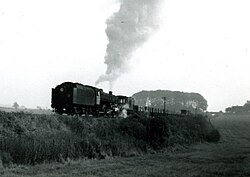
The pace of closures accelerated dramatically under the Beeching plan. While closures averaged 150 to 300 miles per year between 1950 and 1961, they peaked at 1,000 miles in 1964. One of the most notable late closures was the 98-mile Waverley Route in 1969, though a 35-mile section was eventually reopened in 2015.
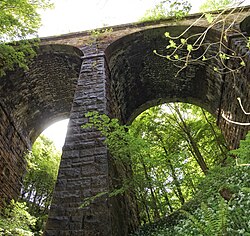
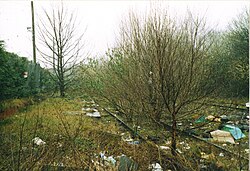
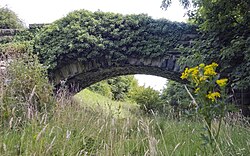
Not all recommendations were followed. Public protests, led by figures such as the poet John Betjeman and the Railway Development Association, saved some lines. However, the majority of the proposed cuts were executed, leaving behind a landscape of derelict stations and abandoned viaducts.
Critical Analysis and Legacy
The effectiveness of the Beeching cuts remains a subject of intense debate. Critics argue that the savings were minimal compared to the overall losses; some suggest that closing a third of the network saved only £30 million while annual losses exceeded £100 million. Furthermore, the closure of "feeder" branch lines may have reduced traffic to the main lines they served.
By the late 1960s, the government acknowledged that some loss-making lines provided essential social value. The Transport Act 1968 introduced Treasury subsidies for such services, marking a shift from purely economic criteria to social necessity.
The Fate of Closed Lines
The land and structures left behind by the Beeching Axe met various fates:
- Heritage Railways: Short sections preserved for tourism and history.
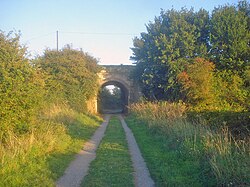
- Cycleways: Integration into the National Cycle Network.
- Light Rail: Some routes, such as the Midland Metro in Birmingham and Wolverhampton, were converted to light rail.
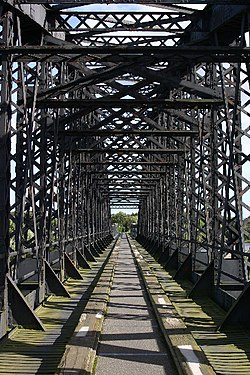
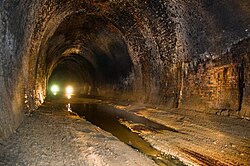
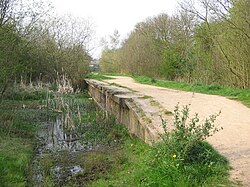
- Dereliction: Many lines reverted to farmland or remain as ruins.
| Period | Approximate Length Closed | Key Characteristic |
|---|---|---|
| 1950–1961 | ~3,300 miles | Early branch line closures by BTC |
| 1963–1966 | ~3,000+ miles | Peak Beeching Axe period |
| 1967–1973 | ~1,300 miles | Tapering off of major closures |
| Post-1973 | Residual | Occasional isolated closures |
Frequently Asked Questions
Who was Richard Beeching?
Dr. Richard Beeching was the Chairman of the British Railways Board in the 1960s. A former technical director at ICI, he was appointed to apply business efficiency to the nationalised rail network, leading to the proposal of massive closures to reduce deficits.
What was the "Beeching Axe"?
The "Beeching Axe" is a colloquial term for the drastic reduction of the British railway network based on Beeching's reports, which resulted in the closure of thousands of miles of track and hundreds of stations.
Did the Beeching cuts solve the financial crisis of the railways?
The results are debated. While operating costs were reduced, overall losses remained high, and some argue the cuts destroyed the "feeder" system that brought passengers to main lines. Eventually, the government had to introduce subsidies for socially necessary lines.
Are any of the closed lines still in use today?
Yes. Some have been reopened for passenger service, others have been converted into heritage railways for tourists, and many have been repurposed as public footpaths or cycleways.
How did the public react to the closures?
There was significant opposition. A protest movement led by the Railway Development Association and figures like John Betjeman fought to save local services, though they were only successful in a minority of cases.