Antisemitism: History, Manifestations, and Evolution of Jew-Hatred
Antisemitism, often defined as Jew-hatred, encompasses hostility, prejudice, or discrimination directed toward Jewish people. While the term itself gained prominence in the 19th century, the phenomenon of anti-Jewish sentiment has existed across various cultures and eras. Depending on the ideological framework, antisemitism can be viewed as a form of racism or a religious conflict, driven by beliefs about inherent traits or theological disputes.
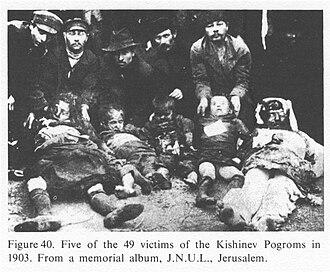
At its core, antisemitism manifests in a spectrum of severity. On one end, it appears as subtle social discrimination or individual expressions of hatred. At its most extreme, it escalates into pogroms (organized massacres of a particular ethnic group) or state-sponsored genocide.
Key Facts

- Dual Nature: Antisemitism is generally categorized as either religious (based on faith and doctrine) or racial (based on perceived inherent biological traits).
- Terminology: The word Antisemitismus was first used in print in Germany in 1879 as a scientific-sounding alternative to Judenhass (Jew-hatred).
- Historical Epicenter: While global in reach, the majority of violent antisemitic events historically occurred in Europe.
- Modern Shifts: Since the 20th century, there has been a rise in antisemitic conspiracy theories in the Arab world, often influenced by European models.
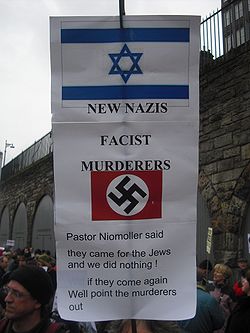
- New Antisemitism: A contemporary discourse suggesting that anti-Zionist positions or criticism of the state of Israel can sometimes serve as vehicles for antisemitism.
Types of Antisemitism

Religious Antisemitism
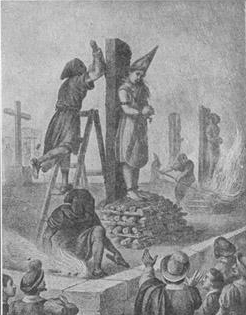
Also known as traditional antisemitism or anti-Judaism, this form of hostility is driven by religious perceptions. It often involves doctrines of supersession, where a successor faith demands that Jews abandon Judaism. A common historical theme in Abrahamic religions is the portrayal of the Jew as the "Christ-killer."
Racial Antisemitism
Racial antisemitism views Jews as a distinct and inferior race with inherent characteristics that are repulsive to the dominant society. This ideology emerged strongly in the 19th century and reached its peak with the rise of Nazism in the 20th century.

Economic and Political Antisemitism
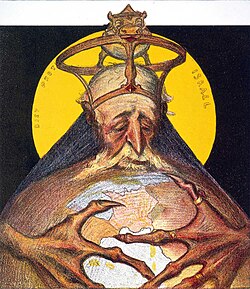
Economic antisemitism relies on financial canards, such as the belief that Jews are stingy, greedy, or control a global financial cabal seeking world domination. Political antisemitism may frame Jews as subversive, revolutionary, or socially inferior.
Historical Evolution

Ancient and Medieval Eras
Anti-Jewish sentiment existed in ancient Greece and Rome, primarily as ethnic prejudice. During the Middle Ages in Europe, religious anti-Judaism flourished within Christian communities, leading to systemic persecution and expulsions.

The 19th and 20th Centuries
The late 1800s saw a shift toward secular and racial justifications for hatred. This era produced "scientific" justifications for antisemitism and political campaigns targeting Jewish citizens.

The 20th century witnessed the most extreme manifestations of this hatred, including Soviet antisemitism and the Holocaust, where millions were murdered in state-sponsored genocide.

Contemporary Manifestations
In the 21st century, antisemitism continues to evolve. This includes the rise of the far-right, Holocaust denial, and antisemitism within university settings. Additionally, specific movements, such as some branches of Black Hebrew Israelites, have been linked to religiously motivated antisemitic violence.
![4% of African-Americans self-identified as Black Hebrew Israelites in 2019.[338] Between 2019 and 2022, individuals motivated by Black Hebrew Israelitism committed five religiously motivated murders.[339][page needed]](/images/57/94/5794d31d0b6995b3b6b1b8e6fbe2dfc0d3ee07166258bc3b0f8e422f6d3af77a.jpg)
Summary of Antisemitic Manifestations
![A Jewish Soviet soldier taken prisoner by the German Army, August 1941. At least 50,000 Jewish soldiers were shot after selection.[139]](/images/13/09/1309f7beacb834727692c0ba989d10b935ef50f73ae49c94a9ed3f2b99ee7d6e.jpg)
| Category | Primary Motivation | Common Tropes/Claims |
|---|---|---|
| Religious | Theological conflict | Christ-killer; demand for conversion |
| Racial | Biological essentialism | Inherent inferiority; distinct "race" |
| Economic | Financial jealousy/fear | Global financial cabal; greed; usury |
| Political | Ideological suspicion | Subversive; revolutionary; "pushy" |
Frequently Asked Questions






What is the difference between anti-Judaism and antisemitism?
Anti-Judaism refers specifically to hostility toward the religion of Judaism, whereas antisemitism is a broader term that includes hatred of Jews as an ethnic or racial group, regardless of their religious practice.
When did the term "antisemitism" originate?
The term Antisemitismus was first used in print in Germany in 1879. It was intended to provide a scientific-sounding label for Judenhass, or Jew-hatred.
What is "New Antisemitism"?
New Antisemitism is a term used to describe contemporary hatred where anti-Zionist positions or criticisms of the state of Israel are used as a cover for attacks against Jewish people in general.
What are financial canards in the context of antisemitism?
Financial canards are false stereotypes claiming that Jews are temperamentally incapable of honest labor, are collectively wealthy and greedy, or control the world's business and financial systems.
How has antisemitism manifested in the 21st century?
Modern manifestations include the resurgence of far-right ideologies, the denial of the Holocaust, and targeted violence or harassment in academic and social environments globally.