Animal Sexual Behaviour: Mating Systems and Non-Reproductive Patterns
Animal sexual behaviour is a diverse and complex field of biology, encompassing a vast array of activities that range from instinctive reproductive drives to intricate social interactions. While often simplified as a basic stimulus-response mechanism, modern science reveals that sexuality in the animal kingdom serves multiple purposes beyond the mere creation of offspring.
When sexual behaviour is driven by the need to reproduce, it is typically referred to as mating or copulation. In most non-human mammals, this occurs during oestrus—the period of peak fertility in the female reproductive cycle—to maximize the probability of successful impregnation.
Key Facts
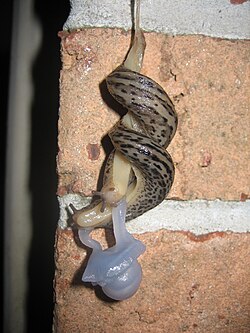
- Mating systems are categorized into four primary types: monogamy, polygyny, polyandry, and polygynandry.
- Reproductive success often depends on sexual selection, where females choose mates based on strength and protection capabilities.
- Non-reproductive sexual behaviour, including homosexuality, has been documented in at least 471 wild species.
- Sexual acts can be used to establish social bonds, express dominance, or manage stress.
- Some species exhibit extreme biological adaptations, such as sequential hermaphroditism (changing sex during their life cycle).
Reproductive Mating Systems
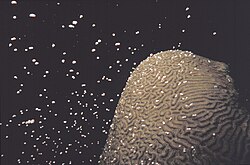
Animals employ different strategies to ensure their genetic material is passed to the next generation. These systems are generally defined by the number of mating partners involved.
| System | Male Partners | Female Partners |
|---|---|---|
| Monogamy | Single | Single |
| Polygyny | Single | Multiple |
| Polyandry | Multiple | Single |
| Polygynandry | Multiple | Multiple |
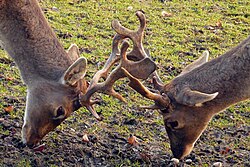
In many species, mating is preceded by intense competition. Males may fight to prove their fitness, with the victor gaining access to a larger number of females. This ensures that the strongest genes are propagated.
Visual Displays and Courtship
Courtship often involves elaborate physical displays to attract a mate. For example, certain birds use specialized displays at a lek—a communal area where males perform to attract females.
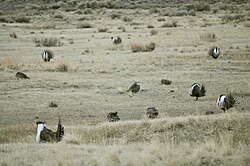
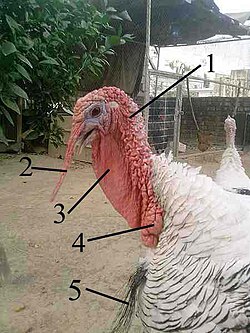
In other species, anatomical structures change color or size during sexual arousal to signal readiness. Domestic turkeys, for instance, possess caruncles, snoods, and wattles that become more prominent during these periods.
Non-Reproductive Sexual Behaviour
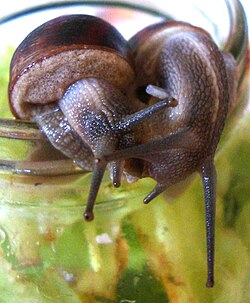
Contrary to historical beliefs that animals only engage in sex for reproduction, many species exhibit sexual behaviours that serve non-reproductive functions. These include masturbation, the use of objects as tools for stimulation, and homosexual behaviour.
Homosexuality is widespread, particularly among social species such as monkeys, great apes, and various marine mammals and birds. While reports vary, some scientific literature indicates homosexual behaviour in over 1,500 species, with 500 being well-documented. Notably, sheep are the only known mammals besides humans to exhibit exclusive homosexual behaviour.
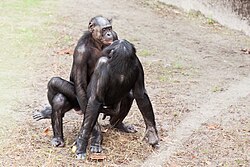
Beyond pleasure or orientation, these behaviours often facilitate the establishment and maintenance of complex social bonds, which can improve the overall survival and success of a population.
Diverse and Unusual Sexual Strategies
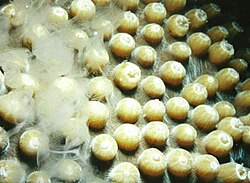
The animal kingdom displays a staggering variety of sexual strategies, some of which challenge conventional definitions of mating.
Alternative Mating Tactics
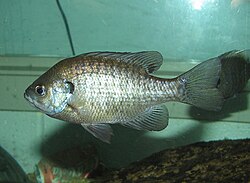
Some animals use "sneaker" strategies to bypass dominant males. For example, small male bluegill sunfishes may cuckold larger males by covertly fertilizing eggs.
Biological Adaptations
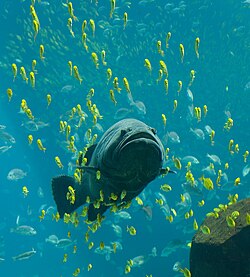
Some species can change their sex based on environmental needs. Female groupers may transition to males if no males are available in the population to ensure reproductive continuity.
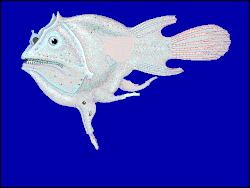
Other extreme examples include the polyandrous anglerfish, where the female may carry the atrophied remains of multiple males she has encountered.
Atypical Behaviours
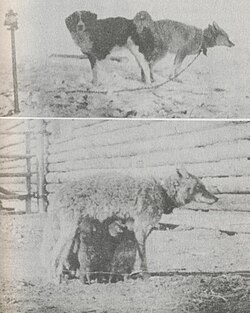
Sexual behaviour can also occur under duress, as a result of coercion, or even in the absence of a living partner. Observations have included cross-species mating, such as dogs mating with coyotes, and instances of necrophilia, such as male tegus attempting to mate with deceased females.
![A male black and white tegu mounts a female that has been dead for two days and attempts to mate.[117]](/images/90/dc/90dc0f662bed2666067f2deeb7afd9a3e8f543328e7fe904eb472d3811ae3e01.jpg)
Frequently Asked Questions
What is the difference between polygyny and polyandry?
Polygyny is a mating system where one male mates with multiple females, whereas polyandry is a system where one female mates with multiple males.
Do animals engage in sex for reasons other than reproduction?
Yes. Animals engage in non-reproductive sexual behaviour to strengthen social bonds, express dominance, seek pleasure, or as a response to stressful situations and coercion.
How common is homosexuality in the animal kingdom?
It is very common, especially in social species. It has been reported in at least 471 wild species, with some estimates suggesting it occurs in up to 1,500 species.
What is oestrus?
Oestrus is the period of peak fertility in the reproductive cycle of most non-human female mammals, during which mating and copulation are most likely to occur.
Can animals change their sex?
Yes, this is known as sequential hermaphroditism. An example is the female grouper, which can change into a male if there are no males available in the group.