Same-Sex Sexual Behavior in the Animal Kingdom
In the natural world, sexual behavior is far more diverse than simple reproduction. Scientists have documented same-sex sexual behavior (SSSB)—which encompasses sexual activity, courtship, affection, pair bonding, and parenting between animals of the same sex—across a vast array of species. From the depths of the ocean to the canopy of the rainforest, these interactions are found in both vertebrate and arthropod taxonomic classes.
While SSSB is most frequently observed in social species, its prevalence is staggering. A 2019 research paper indicates that such behavior has been observed in over 1,500 species. However, it is important to distinguish between occasional behavior and orientation; while many species engage in same-sex interactions, exclusive homosexual orientation is rare. Outside of humans, the domesticated sheep (Ovis aries) is the only known species where a segment of the population—approximately 10% of males—exhibits exclusive same-sex orientation.
Key Facts
- Widespread Occurrence: SSSB has been documented in more than 1,500 animal species.
- Diverse Forms: Includes not just genital contact, but also courtship, pair bonding, and co-parenting.
- Exclusive Orientation: Domesticated sheep are the only non-human animals known to exhibit exclusive homosexual orientation (approx. 10% of males).
- Broad Taxonomy: Observed across mammals, birds, reptiles, and insects.
- Social Function: Often used to establish dominance, reduce conflict, or strengthen social bonds.
The Drivers of Same-Sex Behavior
The motivations behind SSSB vary significantly depending on the species and the environmental context. Because animals cannot communicate their internal states, researchers often caution against anthropocentric thinking—applying human interpretations to animal phenomena.
Proposed Biological and Social Causes
Scientists have proposed several theories to explain why SSSB evolves and persists in nature:
- Social Bonding and Conflict Resolution: In many mammals, same-sex behavior is used to reduce conflict and strengthen alliances within a group.
- Dominance and Submission: Sexual interactions can be a means of expressing social hierarchy.
- Reproductive Practice: Some animals may use same-sex interactions to practice the behaviors necessary for successful reproduction.
- Mistaken Identity: This is particularly common in arthropods, where sensory errors may lead to same-sex courtship.
- Selection Pressures: Theories such as balancing selection and sexually antagonistic selection suggest genetic advantages to these behaviors.
Research also points to physiological bases. Genetic, hormonal, and neurological variations can drive individual differences within a species. In laboratory settings, SSSB has been successfully induced by manipulating these biological factors.
SSSB Across Different Species
The manifestation of same-sex behavior differs wildly across the animal kingdom, ranging from lifelong partnerships to fleeting social interactions.
Birds
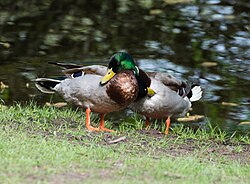
Birds exhibit some of the most visible forms of same-sex pair bonding and parenting. Penguins, for example, frequently form same-sex pairs that adopt abandoned eggs or kidnap chicks to raise them as parents.
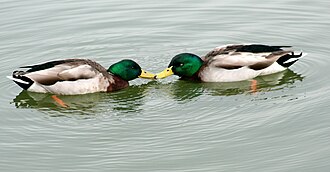
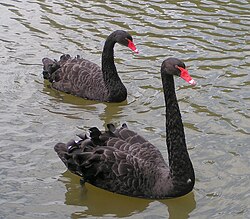
Other avian species displaying SSSB include black swans, albatrosses, blue ducks, ibises, vultures, and pigeons. In some cases, environmental factors play a role; for instance, mercury exposure has been linked to homosexual behavior in male ibises.
Mammals
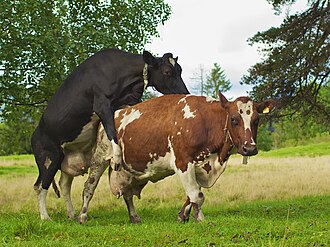
Among mammals, SSSB is often tied to complex social structures. Primates, including bonobos, chimpanzees, gorillas, and orangutans, use same-sex genital interactions for social cohesion and tension reduction.
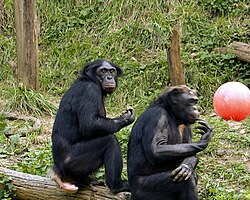
Other mammals exhibiting these behaviors include:
- Cetaceans: Bottlenose dolphins, Amazon dolphins, humpback whales, and southern right whales.
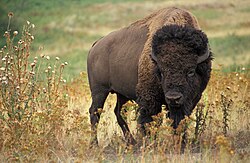
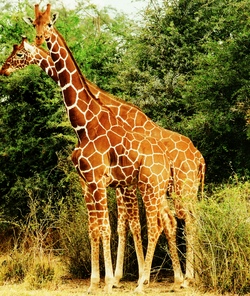
- Ungulates: Giraffes, American bison, and sheep.
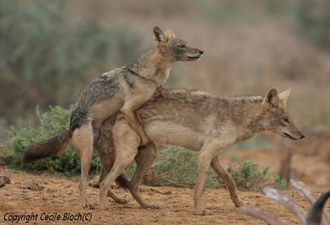
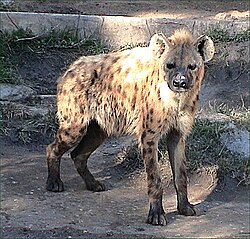
- Carnivores: Lions and spotted hyenas.
- Bats: A wide variety of species, including the grey-headed flying fox and various Myotis species.
Reptiles, Insects, and Arachnids
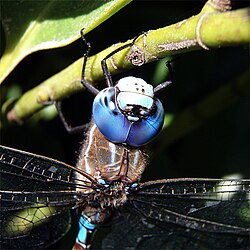
SSSB is not limited to warm-blooded animals. It has been observed in lizards and tortoises. In the world of invertebrates, dragonflies, fruit flies, and bed bugs have all displayed same-sex sexual interactions.
Summary of SSSB Observations
| Taxonomic Group | Example Species | Common Manifestations |
|---|---|---|
| Birds | Penguins, Black Swans | Pair bonding, co-parenting |
| Primates | Bonobos, Chimpanzees | Social bonding, conflict reduction |
| Cetaceans | Bottlenose Dolphins | Genital contact, social play |
| Ungulates | Domestic Sheep, Bison | Exclusive orientation (sheep), mounting |
| Invertebrates | Dragonflies, Fruit Flies | Courtship, mistaken identity |
Frequently Asked Questions
Is same-sex behavior common in the wild?
Yes, it is remarkably widespread. Scientists have documented same-sex sexual behavior in over 1,500 different species across various classes of animals.
Do animals form lifelong same-sex partnerships?
Yes, particularly among birds. Some penguin and swan species form stable same-sex pairs that may stay together for years and even raise offspring together.
What is the difference between SSSB and sexual orientation in animals?
Same-sex sexual behavior (SSSB) refers to the act itself, which many animals do occasionally. Sexual orientation refers to an exclusive preference. While SSSB is common, exclusive orientation is only well-established in humans and domesticated sheep.
Why do animals engage in same-sex sexual activity if it doesn't lead to reproduction?
These behaviors often serve non-reproductive purposes, such as strengthening social bonds, establishing dominance, reducing aggression within a group, or practicing mating skills.
Can environmental factors cause this behavior?
In some cases, yes. For example, research has indicated that mercury exposure can induce homosexual behavior in male ibises.