Polygyny in Animals: Mating Systems, Strategies, and Evolutionary Drivers
In the natural world, mating strategies are diverse and driven by the need to maximize reproductive success. One of the most prominent systems is polygyny, a mating structure where a single male mates with multiple females, while each female mates with only a few males (or just one). This system differs from promiscuity or polygynandry, where both sexes have multiple partners, and from lek mating, where males attract females but maintain no lasting attachment to them or the group.
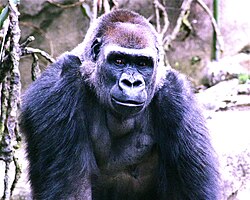
Polygyny is remarkably common, estimated to occur in up to 90% of mammal species. It is frequently observed in one-male, multi-female groups, including gorillas, elephant seals, spotted hyenas, and Bengal tigers. In these systems, the burden of parental care typically falls on the females.
Key Facts
- Prevalence: Occurs in up to 90% of mammal species; less common in birds where monogamy prevails.
- Sexual Dimorphism: Often leads to extreme differences in size or appearance between males and females.
- Resource Control: Polygyny often arises when males can monopolize localized resources or clusters of females.
- Female Choice: Females may choose polygyny if the resources provided by a dominant male outweigh the benefits of a monogamous partner.
- Genetic Impact: While increasing the fitness of a single male, it can reduce overall genetic diversity in a community.
The Mechanics of Mating Systems
The balance of parental care is a primary driver of mating structures. In birds, polygyny is less frequent because monogamy is the norm; however, it evolves when females can successfully raise offspring without male assistance. In some territorial bird species, males may seek a second mate only after the first female has finished laying her eggs.
Competition is a hallmark of these systems. Strongly polygynous species often exhibit high levels of female-female aggression, as females compete for the male's resources, such as food and nest protection. This aggression is influenced by factors like habitat quality, territory size, and predator density.
The Emlen and Oring Model
Developed in 1977 by Stephen T. Emlen and Lewis W. Oring, this model explains how resource distribution dictates mating strategies. The "limited sex" (usually females) is the one the "limiting sex" (usually males) attempts to monopolize. When resources are localized and females cluster together, it becomes easier for males to control access to them, leading to polygyny.
Types of Polygyny
The specific type of polygyny that emerges depends on whether females are spatially stable or constantly moving. When females are clumped, four primary structures occur:
| Type of Polygyny | Group Size | Stability | Example Species |
|---|---|---|---|
| Harems | Small or Large | Stable | Humans, Elephant seals |
| Multimale Polygyny | Large | Stable | Savanna baboons, Cape buffalo |
| Sequential Polygyny | Small or Large | Unstable | Humans, Woodcocks, Elephants |
| Scramble Competition | Small or Large | Unstable | Thirteen-lined ground squirrels, Okapis |
When females are spatially stable around a specific resource, males employ a resource defense strategy. This is common in species where offspring require minimal parental care, such as orange-rumped honeyguides.
Costs and Benefits of Polygyny
For Males
The primary benefit for males is a massive increase in fitness—the ability to pass genes to the next generation—since one male fathers all offspring in the group. However, the costs are high. Maintaining a harem is physically demanding and often leads to intense male-male aggression. For example, in the frog Allobates femoralis, males may engage in physical fights lasting 15 minutes to intercept females.
For Females
Females face significant risks, including reduced genetic diversity for their offspring and the threat of infanticide. Infanticide occurs when a new dominant male kills the existing offspring to bring females back into estrous (heat) more quickly. Despite this, some females choose polygyny to gain access to superior resources or the protection of a group, as seen in female lions.

The Polygyny Threshold Model
The polygyny threshold model explains why a female would choose to be a second mate rather than the sole mate of a less desirable male. If the territory of an already-mated male is of sufficiently high quality, the resources available there may outweigh the benefits of having a monogamous partner in a poor-quality territory. Essentially, the "threshold" is the point where the resource gain compensates for the loss of exclusive male assistance.

Case Study: The Great Reed Warbler
The great reed warbler (Acrocephalus arundinaceus) provides a clear example of harem-based polygyny in birds. In this species, male fitness is heavily influenced by arrival time; males who arrive first secure the best nesting sites.
Females prefer males with a larger song repertoire, which serves as a cue for age and experience. Older males typically dominate better territories, making them more attractive partners. This preference is often linked to the good genes theory, suggesting females choose mates that provide the best genetic advantages for their offspring.

Evolutionary Significance and Sexual Conflict
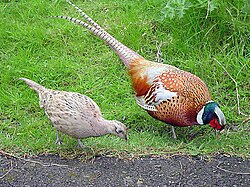
Polygyny often results in sexual dimorphism—distinct differences in size or appearance between sexes. Larger body size or larger canines give males a competitive edge in battles for dominance.
This system often creates sexual conflict, where a behavior benefits one sex but harms the other. To counter the limitations of polygyny, some females engage in extra-pair copulations (EPC). By mating with a male other than their social partner, females can increase the genetic diversity of their offspring and access better genetic material, even while remaining in a stable social group.
Evidence of Female Choice
Female choice is a powerful force in polygynous systems. Examples include:
- Grayling butterflies: Females choose males based on their performance in flight competitions.
- Coquerel's sifaka: Females mate with the winners of harem battles, ensuring a strong protector.
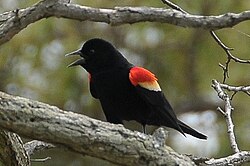
- Red-winged blackbirds: Females exhibit aggression toward other females to protect their access to a high-quality mate.
Frequently Asked Questions
What is the difference between polygyny and promiscuity?
Polygyny occurs when one male mates with multiple females, but each female mates with only a few males. Promiscuity (or polygynandry) occurs when both males and females have multiple mating partners.
Why do some females choose to be a second mate in a polygynous system?
According to the polygyny threshold model, a female will choose a previously mated male if his territory is so resource-rich that she will be better off there than as the sole mate of a male in a poor-quality territory.
What is sexual dimorphism and why does it happen in polygyny?
Sexual dimorphism is the physical difference between males and females of the same species. In polygynous systems, it evolves because males must fight other males for dominance and access to females, favoring larger size or specialized weaponry like canines.
What are extra-pair copulations (EPC)?
EPCs are matings that occur outside of a social pair bond. In polygynous systems, females use EPCs as a strategy to increase the genetic diversity of their offspring and overcome the limitations of mating with a single dominant male.
How does infanticide relate to polygyny?
Infanticide occurs when a new male takes over a harem and kills the existing offspring. This removes the need for females to nurse, causing them to enter estrous sooner and allowing the new male to sire his own offspring more quickly.