Ancient Aleppo: A Journey Through One of the World's Oldest Cities
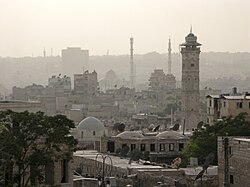
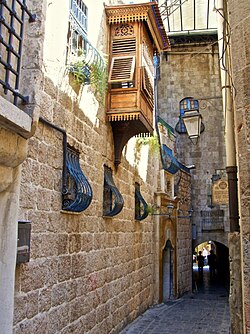
The Ancient City of Aleppo serves as the historic heart of Aleppo, Syria. For millennia, this urban center has stood as a testament to human resilience and cultural synthesis. Before the disruptions of the Syrian Civil War, much of the city remained remarkably preserved, with districts reflecting architectural styles from the 11th to the 16th centuries. Due to a history of frequent invasions and political volatility, the city developed into a series of economically independent, cell-like quarters often divided along ethnic and religious lines.
Spanning approximately 350 hectares, the ancient walled city and its surrounding subdistricts have historically provided a home to over 120,000 residents, blending a dense urban fabric with a rich archaeological legacy.
Key Facts
- UNESCO Status: Inscribed as a World Heritage Site in 1986; listed as endangered from 2013 to 2020.
- Geography: Situated on the left bank of the Queiq River, surrounded by a circle of eight hills.
- Core Landmarks: Home to the Citadel of Aleppo and the expansive Al-Madina Souq.
- Historical Reach: Evidence of habitation dating back to the 2nd millennium BC.
- Urban Layout: Originally enclosed by a 5 km wall with nine gates, though much of the wall has since disappeared.
Origins and Early Civilizations
The city's foundation is inextricably linked to its unique topography. It was built around a prominent central hill—an acropolis—which originally housed a temple dating to the 2nd millennium BC. This central point was encircled by eight surrounding hills, including Tell as-Sawda and Tell al-Yasmīn, within a 10 km radius.
The Bronze Age and the Kingdom of Yamhad
During the Middle Bronze Age, specifically the MB IIA period (c. 1820–1630 BC), Aleppo rose to prominence as the capital of the Great Kingdom of Yamhad. Under Amorite kings such as Sumu-Epuh and Yarim-Lim I, the city became one of the most powerful entities in the Near East, contemporary with the empires of Hammurabi of Babylon and Shamshi-Adad I. The heartland, known as the "land of Ḥalab," exerted control over various vassal centers, including Ebla and Ugarit.
This era of dominance was eventually challenged by the Hittites. King Hattusili I attacked the city around 1620 BC, and Mursilis I later destroyed it in the 16th century BC, though Aleppo eventually regained its regional leadership as Hittite power waned.
A Timeline of Imperial Transitions
Aleppo's strategic location made it a prize for nearly every major empire in West and Central Asia. Its history is a complex tapestry of shifting sovereignties:
- Classical Antiquity: Alexander the Great captured the city in 333 BC. Later, Seleucus Nicator established a Hellenic settlement called Beroea between 301 and 286 BC.
- Roman and Byzantine Eras: The city transitioned through the Roman Republic and Empire before becoming part of the Byzantine Empire.
- Islamic Conquest and Prosperity: Aleppo fell to Arab Muslims under Khalid ibn al-Walid in 637. By 944, it became the seat of an independent emirate under the Hamdanid prince Sayf al-Daula, marking a period of immense prosperity.
- Later Empires: The city saw rule by the Zengids, Ayyubids, and Mamluks, before falling under the Ottoman Empire from 1516 until 1918.
Medieval Expansion and Urban Development
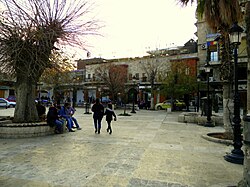
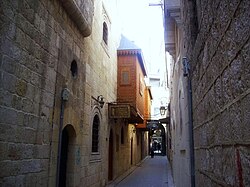
The medieval period saw both tragedy and growth. A catastrophic earthquake on August 9, 1138, is estimated to have killed 230,000 people, ranking it among the deadliest in recorded history. Later, following the invasion of Tamerlane in 1400, Christian populations migrated outside the city walls. By 1420, they established the Jdeydeh quarter in the northwestern suburbs, where they served as vital brokers between local merchants and foreign traders.
Architectural Landmarks and Cultural Sites
The Citadel and Fortifications
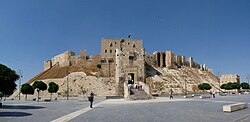
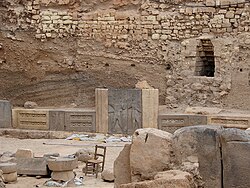
The Citadel of Aleppo is a massive fortress perched on a 50-meter artificial mound. While its origins date to the first millennium BC, many current structures were built in the 13th century. Excavations have revealed ancient temples and statues, though the site suffered significant damage during the 1822 earthquake.
Religious and Educational Institutions
The city is renowned for its diverse places of worship and learning:
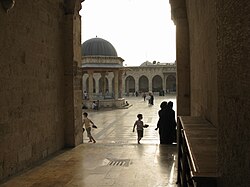
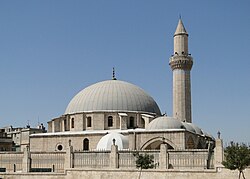
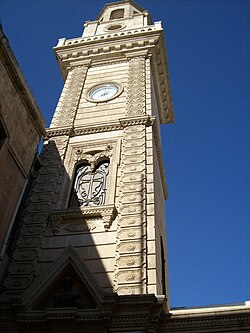
- Great Mosque of Aleppo: Founded c. 715 by Umayyad caliph Walid I, it features a 45-meter tower built under the Seljuk sultan Tutush I (1090–1092).
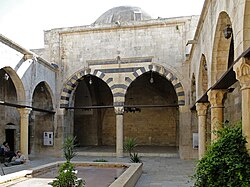
- Al-Halawiyah Madrasa: Built in 1124, this Islamic school stands on the site of a 5th-century Byzantine Cathedral of Saint Helena.
- Central Synagogue of Aleppo: Completed as early as the 9th century, this site served the Jewish community for centuries before being renovated by the diaspora.
- Forty Martyrs Armenian Cathedral: A key spiritual site within the city's diverse religious landscape.
Commerce: Souqs and Khans
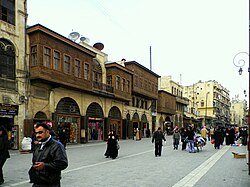
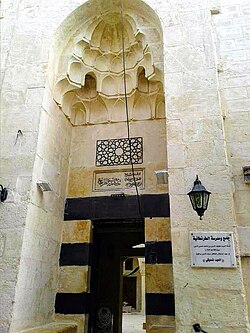
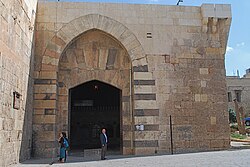
The Al-Madina Souq is one of the most significant covered markets in the world. It is characterized by its khans (caravanserais)—historic inns for traders. Notable examples include Khan al-Qadi (1450) and Khan al-Shouneh (1546). These markets were the engine of Aleppo's economy for centuries.
Summary of Ancient Aleppo's Heritage
| Category | Details |
|---|---|
| UNESCO Status | World Heritage Site (1986) |
| Total Area | Approx. 364 hectares |
| Key Eras | Yamhad Kingdom, Hamdanid Emirate, Ottoman Empire |
| Primary Landmarks | Citadel, Great Mosque, Al-Madina Souq, Jdeydeh Quarter |
| Major Threats | Earthquakes (1138, 1822), Armed Conflict (2011–present) |
Preservation and Modern Challenges
Preserving Aleppo's heritage has been a struggle between modernization and conservation. In the 1950s, architect André Gutton implemented a plan that demolished many old buildings to make way for wide roads. This was eventually replaced in 1979 by Stefano Bianca's plan, which focused on preserving the traditional architectural style.
However, the conflict beginning in 2011 caused severe degradation. Shelling, street fighting, and illegal excavations have damaged numerous inscribed properties, leading to a critical need for international restoration efforts.
Frequently Asked Questions
What is the significance of the Kingdom of Yamhad?
The Kingdom of Yamhad, with Aleppo as its capital during the Middle Bronze Age, was one of the most powerful states in the Near East, controlling several vassal cities and rivaling the Great Kingdom of Qatna.
Why is the Jdeydeh quarter unique?
Jdeydeh was established in 1420 by Christians who moved outside the city walls after Tamerlane's invasion. It became a hub for brokers who facilitated trade between local merchants and foreign traders.
What are 'khans' in the context of Aleppo?
Khans are traditional caravanserais or inns that provided lodging and storage for merchants and their goods, serving as the primary commercial hubs within the Al-Madina Souq.
How did the 1138 earthquake affect the city?
The earthquake was one of the deadliest in history, with estimates suggesting up to 230,000 deaths, causing widespread destruction across the city and surrounding region.
Which empires have controlled Aleppo?
Aleppo has been part of numerous states, including the Akkadian, Hittite, Neo-Assyrian, Persian, Macedonian, Seleucid, Roman, Byzantine, Umayyad, Abbasid, Mamluk, and Ottoman empires.