Aldus Manutius and the Revolution of the Aldine Press
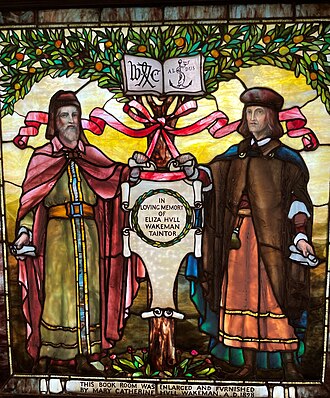
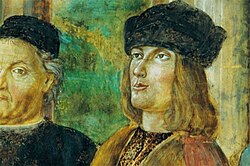
In the heart of the Italian Renaissance, one man fundamentally changed how the world consumed knowledge. Aldus Manutius (c. 1449/1452 – 1515), an Italian printer and humanist, did more than just publish books; he reimagined the book itself. By founding the Aldine Press in Venice, Manutius dedicated his life to the preservation of rare Greek manuscripts and the democratization of reading.
Manutius is perhaps best remembered for introducing the enchiridia—small, portable book formats that served as the direct predecessors to the modern paperback. His commitment to scholarly accuracy and typographic innovation helped standardize the written word, including the early use of the comma and semicolon.
Key Facts
- Founder: Established the Aldine Press in Venice.
- Innovation: Created the first portable book format (octavos), leading to the modern paperback.
- Typography: Developed the first known model of italic type.
- Scholarship: Focused on the preservation and dissemination of Greek and Latin classics.
- Standardization: Helped standardize the use of punctuation, specifically the comma and semicolon.
Early Life and Humanist Education
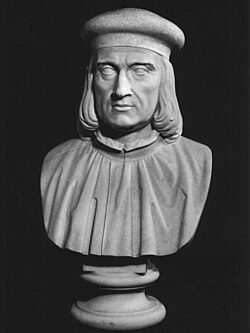
Born in Bassiano, within the Papal States, Aldus Manutius grew up in a wealthy family. His journey into scholarship began in Rome, where he studied Latin under Gaspare da Verona and attended the lectures of Domizio Calderini in the early 1470s. Seeking to expand his linguistic capabilities, he moved to Ferrara from 1475 to 1478 to study Greek with Battista Guarino.
Manutius developed a lifelong friendship with Giovanni Pico della Mirandola, with whom he studied Greek literature in Mirandola for two years starting in 1482. This relationship led to Manutius becoming the tutor for Pico's nephews, Alberto and Leonello Pio. His early intellectual output included works like Musarum Panagyris and the Paraenesis, both published in Venice in the late 1480s.
The Rise of the Aldine Press
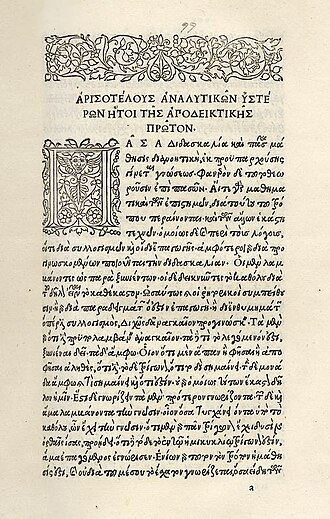
The Aldine Press first gained prestige with a massive five-volume folio edition of Aristotle, begun in 1495. This commitment to the Greek classics continued with the publication of Aristophanes' comedies in 1498. Manutius did not merely print texts; he acted as a rigorous editor, correcting and improving manuscripts originally published in Milan, Rome, and Florence.
Collaboration with Erasmus
One of the most significant partnerships in printing history occurred between Manutius and the scholar Desiderius Erasmus. Despite interruptions caused by the Second Italian War, the two collaborated on translations of Hecuba and Iphigenia in Aulis. Erasmus spent ten months in Venice living with Manutius, using the press's resources to expand his collection of proverbs from 819 to 3,260 entries, resulting in the 1508 publication of Adagiorum Chiliades.
Latin and Italian Masterpieces
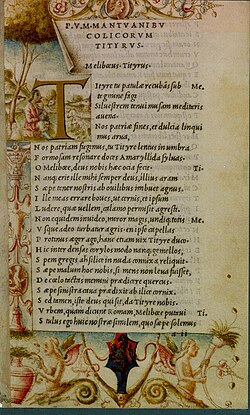
While Greek texts were a priority, the Aldine Press was equally influential in Latin and Italian literature. Manutius launched the career of Pietro Bembo by publishing De Aetna in 1496. Together, Manutius and Bembo produced highly accurate editions of Dante and Petrarch. One of the press's most famous achievements was the 1501 edition of Virgil, which featured a significantly higher print run than was standard for the era.
Typographic Innovations and the Portable Book
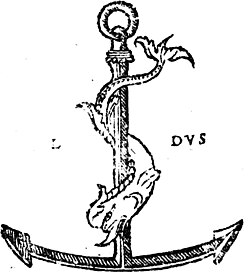
Manutius revolutionized the physical experience of reading. Before the Aldine Press, books were often large, cumbersome folios. Manutius introduced the octavo format—smaller books that could be carried and read personally rather than read aloud in a formal setting.
To complement this new format, Manutius and the punchcutter Francesco Griffo developed the first italic type. This slanted typeface allowed more text to fit on a page without sacrificing legibility. The first complete book printed in italic was the 1501 Opera of Virgil.
The Economics of Early Printing
While these portable books were more accessible, they were not "cheap" by modern standards. Latin octavos were priced at 30 soldi, while Greek versions cost 60 soldi. For comparison, a master mason of the time earned roughly 50 soldi per day.
Legacy and Lasting Influence
Aldus Manutius died on February 6, 1515. His will included a final request to provide capital letters for the italic type, as Griffo's original set had lacked them. The business was eventually taken over by his son, Paulus, who secured sole ownership of the italic typeface in 1539.
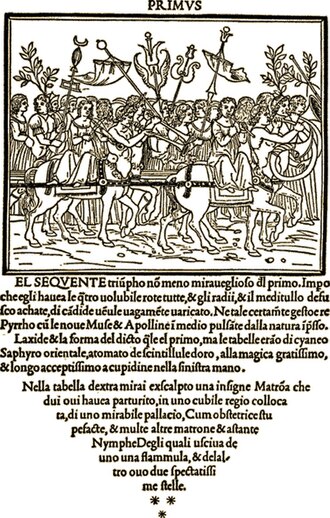
The Aldine Press produced over 100 editions between 1495 and 1505. Today, these works are highly prized by collectors. In 1991, a copy of the Hypnerotomachia Poliphili was estimated at $25,000–$30,000 at auction, reflecting the enduring value of Manutius's craftsmanship.
| Innovation | Description | Impact |
|---|---|---|
| Octavo Format | Small, portable book size | Precursor to the modern paperback |
| Italic Type | Slanted typeface developed with Griffo | Increased text density and aesthetic appeal |
| Punctuation | Standardization of comma and semicolon | Improved reading clarity and flow |
| Greek Preservation | Printing of rare Greek manuscripts | Saved classical knowledge from loss |
Frequently Asked Questions
What was the 'enchiridia' format?
The enchiridia were small, portable books (octavos) introduced by Aldus Manutius. They revolutionized reading by making books easier to carry and more affordable, effectively serving as the ancestors of today's paperback books.
Who invented italic type?
Italic type was a collaborative effort between Aldus Manutius and the punchcutter Francesco Griffo. The first complete book to use this typeface was the 1501 edition of Virgil.
How did Manutius contribute to modern punctuation?
Manutius helped standardize the use of the comma and the semicolon, which improved the structure and readability of printed texts during the Renaissance.
What was the relationship between Aldus Manutius and Erasmus?
They were close collaborators. Erasmus spent ten months in Venice working at the Aldine Press, where Manutius helped him expand and publish his famous collection of proverbs, the Adagiorum Chiliades.
Why are Aldine Press books so valuable today?
Their value stems from their historical significance as pioneers of typography and portable publishing, as well as the high scholarly quality and rarity of the Greek and Latin classics they preserved.