Latinisation of Names: History, Methods, and Applications
Latinisation is the practice of adapting non-Latin names to align with the style, structure, and grammatical rules of the Latin language. While it may seem like a simple translation, it is a distinct linguistic process used throughout history to integrate personal names, place names (toponyms), and biological species into a standardized Latin framework.
It is important to distinguish Latinisation from romanisation. While romanisation is the literal transliteration of a word from a different script (such as Cyrillic, Arabic, or Devanagari) into the Latin alphabet, Latinisation modifies the name itself to fit Latin linguistic patterns. This allows the name to undergo declension—the process of changing a word's ending to indicate its grammatical function in a sentence—which was essential for authors writing in Latin.
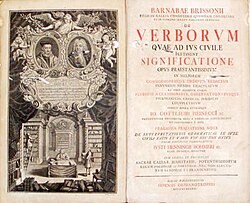
Key Facts
- Purpose: Used for grammatical consistency in Latin texts, creating international identities, or masking modest social origins.
- Peak Usage: While present in the medieval period, the practice peaked during the European Renaissance.
- Scientific Role: Forms the basis of binomial nomenclature in the life sciences to ensure global consistency.
- Methods: Includes phonetic transformation, adding Latinate suffixes, direct translation, or selecting new names based on attributes.
How Names Are Latinised
There are four primary methods used to transform a name into a Latinised version:
- Phonetic Transformation: Changing the name to fit Latin sounds (e.g., Jabir becoming Geber).
- Adding Suffixes: Attaching Latinate endings to a name (e.g., Meibom becoming Meibomius).
- Direct Translation: Translating a name's meaning into Latin (e.g., the Italian Cacciatore, meaning 'hunter', becoming Venator).
- Attribute-Based Selection: Choosing a new name based on a person's characteristics or origin (e.g., Daniel Santbech becoming Noviomagus, referring to the town of Nijmegen, meaning 'new field').
Latinisation in Personal Names
During the Renaissance, humanists frequently adopted Latinised names. Some did so to create a more sophisticated international persona, while others used them to hide humble social backgrounds. In some instances, these names involved playful puns or translations from vernacular European languages. For example, Beatus Bild from Rhinau adopted the name Beatus Rhenanus.
Many historical figures known in English today are referred to by their Latinised names rather than their original ones:
| Original Name | Latinised Name | Origin/Meaning |
|---|---|---|
| Kong Fuzi | Confucius | Chinese ('Master Kong') |
| Mengzi | Mencius | Chinese ('Master Meng') |
| ibn Sina | Avicenna | Arabic ('male descendant of Sina') |
| Albert | Albertus Magnus | German ('Albert the Great') |
| Tommaso (of Aquino) | Thomas Aquinas | Italian |
| Niclas Koppernigk | Nicolaus Copernicus | Middle Low German |
| Colombo / Corombo | Columbus | Western Romance |
Place Names and Scientific Nomenclature
Latinisation extends beyond people to geography and science. Many English names for countries and regions derive from early Latin textbooks rather than the original native names. Examples include Estonia (from Eesti), Ingria (from Inkerinmaa), and Livonia (from Livland). A historical example is Eboracum, the Latinised version of the Brittonic name *Eburākon ('place of the yew trees'), which is the modern city of York.
In the life sciences, Latinisation is the standard for binomial nomenclature to ensure that a species has a consistent name regardless of the researcher's native language. For instance, the palm tree genus Livistona is a Latinisation of the name Livingstone.
Historical Evolution
The practice began during the Roman Empire, where translating names into Latin (West) or Greek (East) was common. Following the empire's collapse, the Roman Catholic Church maintained Latin as the primary language of scholarship, cementing its role in Western education throughout the medieval period.
By the 19th century, English largely replaced Latin as the primary language of science and academia. However, the tradition persists in specific fields, where new discoveries are still named using Latin terminology to maintain worldwide acceptance and historical continuity.
Frequently Asked Questions
What is the difference between Latinisation and romanisation?
Romanisation is the process of transliterating a word from a non-Latin script (like Arabic or Cyrillic) into Latin letters. Latinisation is the process of modifying a name to fit the grammatical rules and style of the Latin language, often changing the word's structure or meaning.
Why did Renaissance humanists Latinise their names?
Humanists often Latinised their names to establish an international scholarly identity, to fit the grammatical requirements of the Latin language they wrote in, or to obscure modest social origins.
How is Latinisation used in science today?
It is used in binomial nomenclature to create internationally consistent names for organisms, ensuring that scientists globally refer to the same species by the same name regardless of their local language.
Can Latinisation involve translating the meaning of a name?
Yes. One method of Latinisation is direct translation, such as changing the Italian name Cacciatore (meaning 'hunter') to the Latin Venator.
Is the name "Confucius" a Latinisation?
Yes, Confucius is the Latinised form of the Chinese name Kong Fuzi, which literally means 'Master Kong'.