Akhenaten: The Heretic Pharaoh of the 18th Dynasty
In the long chronicle of ancient Egypt, few figures are as polarizing or enigmatic as Akhenaten. Originally ascending the throne as Amenhotep IV, this 18th Dynasty pharaoh attempted one of the most radical transformations in human history: the systematic dismantling of Egypt's traditional polytheistic religion in favor of the worship of a single deity, the Aten (the solar disc).
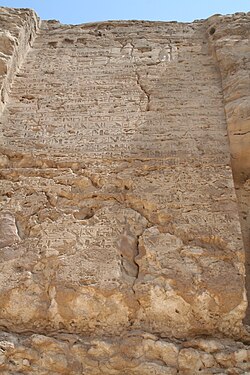
For centuries, Akhenaten was nearly erased from history. His name was struck from official lists, and his monuments were dismantled. It was only with the 19th-century discovery of his purpose-built capital, Amarna, that the world rediscovered the "Heretic King" and his revolutionary vision.
Key Facts
- Original Name: Amenhotep IV ("Amun is satisfied").
- Reign: Approximately 1353–1336 BC or 1351–1334 BC.
- Religious Shift: Transitioned from the worship of Amun to Atenism, focusing on the solar disc.
- New Capital: Founded the city of Akhetaten (modern-day Amarna).
- Family: Married to Nefertiti; father to several daughters and likely the father of Tutankhamun.
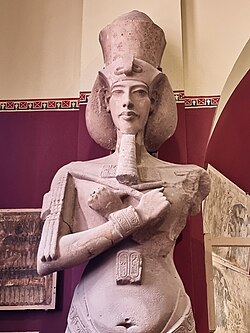
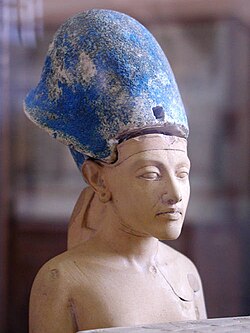
- Artistic Style: Introduced the Amarna style, characterized by more naturalistic and sometimes exaggerated human forms.
The Rise of Amenhotep IV
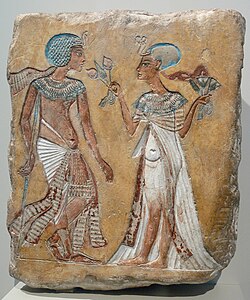
Akhenaten began his reign as Amenhotep IV, the son of Amenhotep III and Queen Tiye. While the exact age of his accession is debated—with estimates ranging from 10 to 23 years old—he initially followed the traditional paths of Egyptian kingship, likely being crowned in Thebes.
The Great Name Change
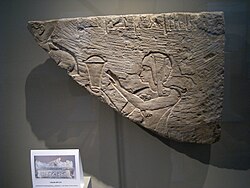
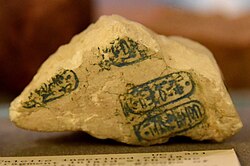
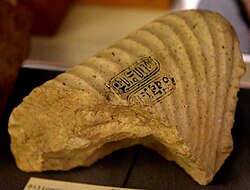
The fifth year of his reign marked a pivotal turning point. In a bold move to signal a break from the past, the pharaoh changed his name from Amenhotep IV to Akhenaten, meaning "Effective for the Aten." This was not merely a personal change but a political and religious manifesto. His royal titulary was rewritten to remove references to the traditional gods, specifically the powerful god Amun of Thebes.
| Title Type | As Amenhotep IV (Years 1–5) | As Akhenaten (After Year 5) |
|---|---|---|
| Horus Name | Strong Bull of the Double Plumes | Beloved of Aten |
| Nebty Name | Great of Kingship in Karnak | Great of Kingship in Akhetaten |
| Golden Horus | Crowned in Heliopolis of the South | Exalter of the Name of Aten |
| Nomen | Amun is Satisfied, Divine Lord of Thebes | Effective for the Aten |
The Amarna Revolution
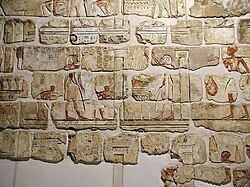
Akhenaten's vision culminated in the founding of a new capital city, Akhetaten ("Horizon of the Aten"), located at Amarna. By moving the seat of power away from Thebes, he effectively isolated his court from the influence of the traditional priesthood.
Atenism and the Solar Disc
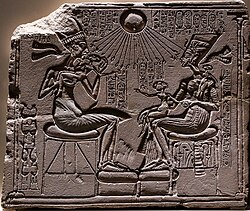
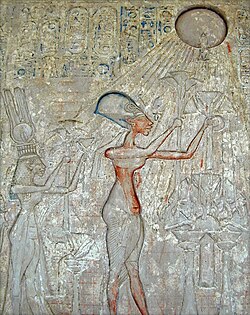
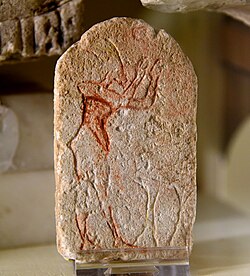
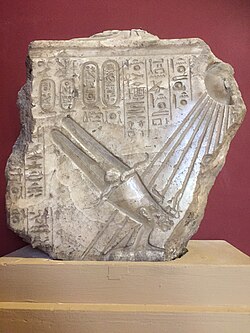
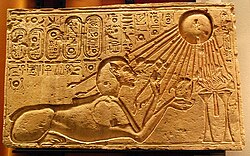
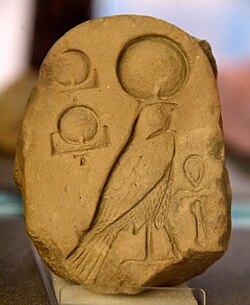
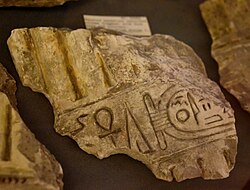
At the heart of this revolution was Atenism. Unlike the complex pantheon of Egyptian gods, the Aten was represented as a solar disc with rays ending in human hands, often extending the Ankh (the symbol of life) to the royal family. Akhenaten positioned himself as the sole intermediary between the people and the god.

The Amarna Style of Art
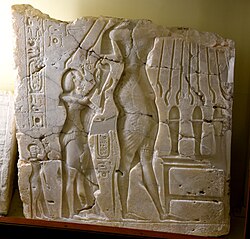
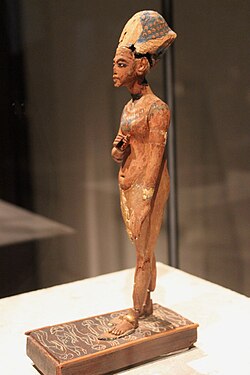
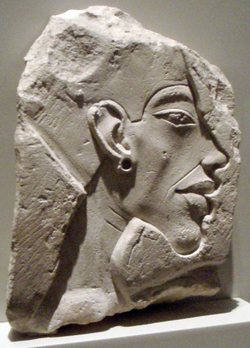
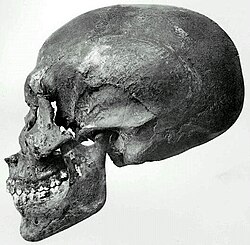
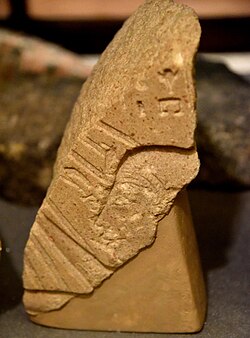
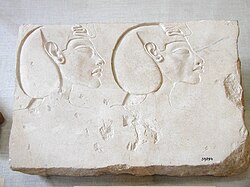
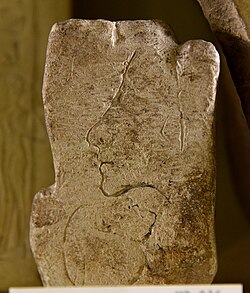
The religious shift brought about a dramatic change in art. The rigid, idealized forms of previous dynasties were replaced by the Amarna style. This new aesthetic emphasized naturalism, intimacy, and sometimes strange anatomical distortions, such as elongated skulls and prominent bellies, as seen in royal statues and reliefs.
International Relations and the Amarna Letters
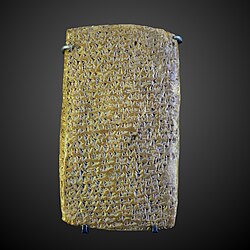
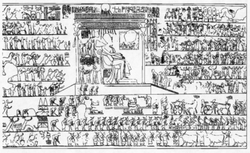
While Akhenaten focused heavily on internal religious reform, Egypt remained a global superpower. The Amarna Letters—a cache of diplomatic correspondence—reveal a complex web of relations with vassal states and allied countries. These tablets, written in Akkadian cuneiform, detail requests for aid, reports of political instability, and the exchange of tributes.
Death, Burial, and the Struggle for Identity
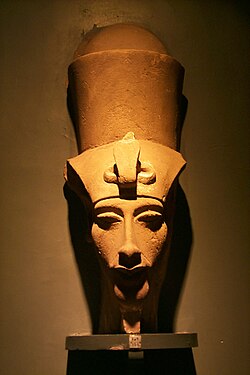
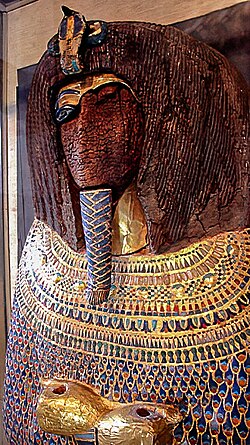
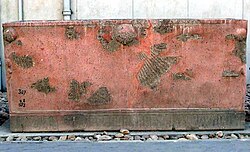
Akhenaten died around 1336 or 1334 BC at approximately 38 years of age. His burial remains a subject of intense archaeological debate. While he had a royal tomb at Amarna, evidence suggests his remains may have been moved or desecrated.

A mummy discovered in tomb KV55 in the Valley of the Kings has long been suspected to be Akhenaten. Genetic testing has confirmed that the individual in KV55 was the father of Tutankhamun, though some scholars continue to question if the body is indeed Akhenaten or another royal relative like Smenkhkare.
Frequently Asked Questions
Was Akhenaten the first monotheist in history?
While Akhenaten's focus on the single god Aten resembles monotheism, scholars debate whether it was a true monotheistic faith or a form of henotheism, where one god is elevated above others without denying their existence entirely.
Who was Nefertiti in relation to Akhenaten?
Nefertiti was Akhenaten's Great Royal Wife and a powerful figure in his court. She is frequently depicted in Amarna art with a level of prominence and authority rarely seen in other Egyptian queens.
What happened to the city of Akhetaten after his death?
Following Akhenaten's death, the city was abandoned. His successors, including Tutankhamun, restored the traditional gods and the capital returned to Thebes. Later pharaohs attempted to erase Akhenaten's memory by dismantling his temples and removing his name from records.
Why is Akhenaten's art so different from other pharaohs?
The Amarna style sought to break away from traditional idealism to show a more "truthful" or naturalistic representation of the human form, reflecting the pharaoh's desire to revolutionize every aspect of Egyptian life, including aesthetics.