Amarna Letters: Diplomacy and Power in the Ancient Near East
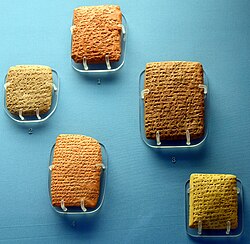
The Amarna letters are one of the most significant archaeological finds for understanding the geopolitical landscape of the Late Bronze Age. These clay tablets, written in cuneiform (a wedge-shaped writing system), served as the primary diplomatic correspondence between the Egyptian administration and the various great powers and vassal states of the ancient Near East.
Discovered at Tell el-Amarna, the short-lived capital of Pharaoh Amenhotep IV (later known as Akhenaten), these archives provide a rare, unfiltered glimpse into the tensions, alliances, and royal etiquette of a world dominated by competing empires.
Key Facts
- Nature of Records: A collection of diplomatic letters written on clay tablets using cuneiform script.
- Primary Locations: The tablets are currently distributed among museums in Berlin, London, Cairo, Paris, and Moscow.
- Key Figures: Correspondence involves Pharaohs Amenhotep III, Amenhotep IV, and Tutankhaten.
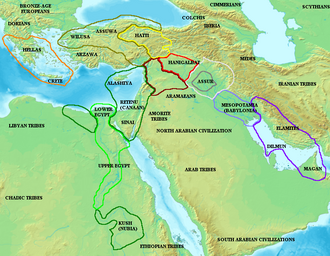
- Geographic Scope: Covers communications with Babylonia, Assyria, Mitanni, Hatti, Alashiya, and various city-states in Syria, Lebanon, and Canaan.
- Major Themes: Royal marriages, gift exchanges, territorial disputes, and pleas for military aid.
Distribution of the Tablets
The Amarna archive is not housed in a single location but is spread across several world-renowned institutions. The largest concentration of tablets is found in Germany, followed by the United Kingdom and Egypt.
| Museum | City | Approximate Number of Tablets |
|---|---|---|
| Vorderasiatisches Museum | Berlin | 202–203 |
| British Museum | London | 99 |
| Egyptian Museum | Cairo | 49–50 |
| Louvre | Paris | 7 |
| Pushkin Museum | Moscow | 3 |
The Geopolitical Network
The letters are categorized by their origin, revealing a complex hierarchy of "Great Powers" and subordinate vassal states. The correspondence ranges from equal-status exchanges between kings to desperate petitions from local governors.
The Great Powers
The Egyptian Pharaohs maintained a sophisticated relationship with other major empires. This included Babylonia (EA 1–14), Assyria (EA 15–16), Mitanni (EA 17–30), Arzawa (EA 31–32), Alashiya (EA 33–40), and Hatti (EA 41–44). These letters often discuss the exchange of gold, lapis lazuli, and royal brides to cement alliances.
The Vassal States of the Levant
A vast majority of the tablets (EA 45–380+) originate from Syria, Lebanon, and Canaan. Unlike the letters from other kings, these are often reports from local rulers to their Egyptian overlords. A prominent example is the extensive correspondence of Rib-Hadda, the ruler of Byblos (Gubla), whose numerous letters (EA 68–140) detail his struggle to maintain control of his city against encroaching enemies.
Notable Correspondents and Conflicts
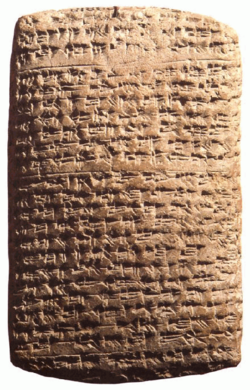
The archives highlight specific individuals whose pleas and political maneuvers define the era. For instance, Aziru, the leader of Amurru, used the letters to state his case to the Pharaoh, navigating the delicate balance between Egyptian loyalty and regional ambition.
Other significant figures include Abimilku of Tyre, whose letters (EA 146–155) reflect the strategic importance of coastal trade hubs, and the kings of Megiddo and Jerusalem, who frequently reported on local instabilities.
Frequently Asked Questions
What are the Amarna letters?
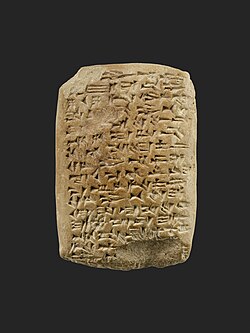
They are a collection of diplomatic clay tablets found at Tell el-Amarna, containing correspondence between the Egyptian administration and various Near Eastern rulers during the 14th century BCE.
Why were they written in cuneiform instead of Egyptian hieroglyphs?
Cuneiform was the international diplomatic language (lingua franca) of the time, allowing Egypt to communicate effectively with diverse empires like Babylonia and Hatti.
Who was Rib-Hadda?
Rib-Hadda was the ruler of Byblos (Gubla) and one of the most prolific writers in the archive, known for his repeated and desperate requests for Egyptian military assistance to protect his city.
Which Pharaohs are mentioned in the letters?
The correspondence primarily involves Amenhotep III, Amenhotep IV (Akhenaten), and Tutankhaten.
Where can these tablets be seen today?
They are distributed across several museums, with the largest collections in the Vorderasiatisches Museum in Berlin and the British Museum in London.