Rib-Hadda: The Beleaguered King of Byblos and the Amarna Letters
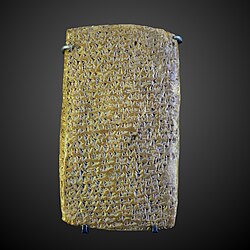
In the mid-fourteenth century BCE, the city-state of Byblos was governed by a man whose desperation is etched into history. Rib-Hadda, the King of Byblos, is known to modern historians primarily through his prolific correspondence with the Egyptian Pharaoh Akhenaten. His letters provide a vivid, often harrowing account of political instability, betrayal, and the slow collapse of Egyptian influence in the Levant.
Rib-Hadda's name is Akkadian in form and likely references the Northwest Semitic god Hadad. However, in his official communications, he invokes Ba'alat Gubla, the "Lady of Byblos," who was likely another name for the goddess Asherah.
Key Facts
- Identity: King of Byblos during the mid-14th century BCE.
- Primary Source: Author of approximately 60 of the Amarna letters addressed to Pharaoh Akhenaten.
- Main Adversary: Abdi-Ashirta, the ruler of Amurru.
- Political Status: A vassal of the Egyptian Empire.
- Fate: Exiled by his brother, Ilirabih, and potentially executed or relocated to Sidon.
The Geopolitics of the Amarna Period
During Rib-Hadda's reign, the Ancient Near East was a complex web of competing superpowers and smaller vassal states. Byblos, located in modern-day Lebanon, operated under the sphere of influence of Egypt. However, this stability was threatened by the rise of regional powers and internal rebellions.
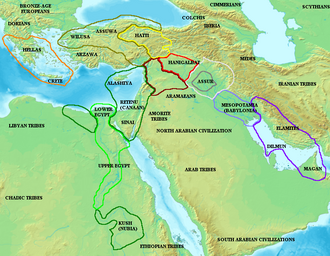
The region was plagued by the activities of the Habiru (or Apiru), warlike tribes and mercenaries who often destabilized established city-states. Rib-Hadda found himself caught between the demands of his Egyptian overlords and the aggressive expansionism of neighboring rulers.
A Reign of Crisis and Complaint
The Amarna letters (designated as "EA" followed by a number) reveal that Rib-Hadda spent much of his reign pleading for Egyptian military intervention. His correspondence is characterized by a tone of urgency and increasing despair.
Conflict with Amurru
Rib-Hadda's most persistent enemy was Abdi-Ashirta, the ruler of Amurru (located in southeastern Lebanon and southwestern Syria). Abdi-Ashirta utilized mercenaries from the Habiru and Shardana tribes to undermine Rib-Hadda's authority. In letter EA 81, Rib-Hadda accused Abdi-Ashirta of inciting rebellion among his followers and attempting to have him assassinated.
The pressure became so intense that Rib-Hadda described himself as being "like a bird in a trap" within his own city. The loss of Zemar, a city previously under his control, further signaled the decline of his power.
Betrayal and Internal Strife
Rib-Hadda's struggles were not limited to external enemies. He faced resentment from his own peasantry and conflicts with other vassals. He reported a violent coup in neighboring Tyre, where the ruler and his family—including Rib-Hadda's own sister and daughters—were presumed killed. He even complained of attacks by the Egyptian commissioner Pihuri, who captured his men and killed Shardana mercenaries.
The Silence of the Pharaoh
Despite the gravity of the situation, Pharaoh Akhenaten appeared largely indifferent. When the Egyptian commissioner Pahannate was withdrawn from northern Canaan, Rib-Hadda was left without visible support. The Pharaoh's irritation with the constant stream of pleas is evident in EA 117, where Akhenaten is quoted asking, "Why do you alone keep writing to me?"
The Fall of Rib-Hadda
As Rib-Hadda aged and his health declined, the political situation worsened. The Hittites began invading Egyptian protectorates in Syria, burning lands and seizing territories from the kingdom of Mitanni. Eventually, Rib-Hadda was forced into exile in Beirut under the protection of King Ammunira.
The final blow came from within his own family. Rib-Hadda was exiled by his younger brother, Ilirabih. According to EA 162, a letter from Akhenaten to Aziru (the son of Abdi-Ashirta), Rib-Hadda's end was ambiguous; he was either sent to be executed or offered a mayoral position in Sidon.
| Entity | Relationship | Nature of Interaction |
|---|---|---|
| Akhenaten (Egypt) | Overlord | Vassal sending desperate pleas for military aid. |
| Abdi-Ashirta (Amurru) | Adversary | Aggressor using mercenaries to seize territory. |
| Ilirabih | Brother/Successor | Usurper who eventually exiled Rib-Hadda. |
| Hittites | Regional Power | Invaders of Egyptian protectorates in Syria. |
| Apiru/Habiru | Mercenaries/Raiders | Tribal forces causing severe war and instability. |
Frequently Asked Questions
Who was Rib-Hadda?
Rib-Hadda was the King of Byblos during the mid-14th century BCE and a vassal of the Egyptian Empire. He is primarily known for his extensive correspondence with Pharaoh Akhenaten.
What are the Amarna letters?
The Amarna letters are a collection of diplomatic correspondence between the Egyptian administration and its vassals and neighboring great powers, discovered in the city of Amarna.
Why did Rib-Hadda write so many letters to the Pharaoh?
He wrote to request military assistance against the expansionist ruler of Amurru, Abdi-Ashirta, and to report the instability caused by Apiru raiders and the Hittite invasions.
What happened to Rib-Hadda in the end?
He was exiled by his brother Ilirabih. Historical records suggest he was either executed or appointed as a mayor in Sidon, though the exact outcome remains a subject of interpretation.
Who were the Apiru mentioned in the texts?
The Apiru (or Habiru) were warlike groups or social outcasts who acted as mercenaries and raiders, often hired by regional rulers like Abdi-Ashirta to destabilize neighboring cities.