Amenhotep III: The Magnificent Pharaoh of the 18th Dynasty
Known to history as Amenhotep III—and often referred to as "the Magnificent" or "the Great"—this ninth pharaoh of the Eighteenth Dynasty presided over one of the most prosperous eras of Ancient Egypt. Ruling during the New Kingdom, his reign is characterized by an explosion of artistic achievement, diplomatic sophistication, and monumental architecture that continues to define the landscape of the Nile Valley today.
Amenhotep III succeeded his father, Thutmose IV, ruling approximately from 1391–1353 BC (or 1388–1351 BC depending on the chronology used). Born to Mutemwiya, a minor wife of Thutmose IV, Amenhotep III transformed the role of the pharaoh into a symbol of divine radiance and international prestige.
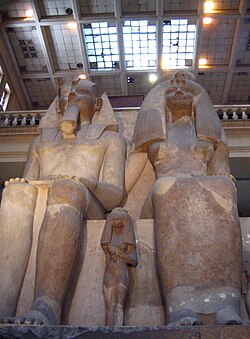
Key Facts
- Dynasty: 18th Dynasty, New Kingdom.
- Reign: Approximately 1391–1353 BC or 1388–1351 BC.
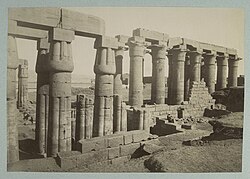
- Major Monuments: The Colossi of Memnon, Malkata Palace, and the Luxor Temple.
- Family: Son of Thutmose IV and Mutemwiya; husband to Queen Tiye and others.
- Successor: His son, Akhenaten (Amenhotep IV).
- Burial: Tomb WV22; mummy later recovered from the KV35 royal cache.
Royal Titulary and Divine Identity
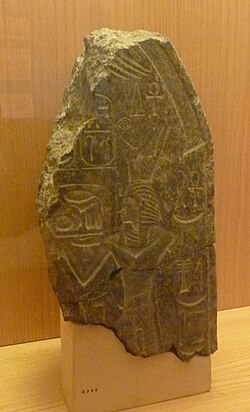
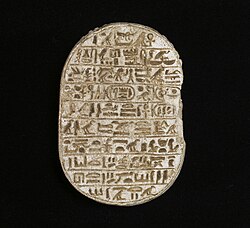
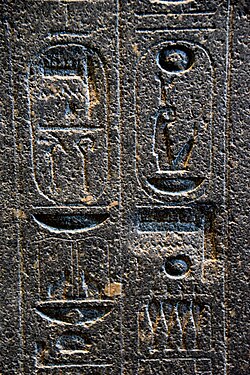
In Ancient Egypt, a pharaoh's names were not merely identifiers but declarations of power and religious alignment. Amenhotep III's nomen (birth name), Imen hetepu heka waset, translates to "Amun is satisfied, ruler of Thebes." His prenomen (throne name), Neb maat re, means "The possessor of the Maat of Re," emphasizing his role as the maintainer of cosmic order (Maat) under the sun god Re.
His other titles further reinforced his image: his Horus name described him as "The strong bull who has appeared in truth," while his Golden Horus name proclaimed him as the one who "struck down the Asiatics."
Architectural Legacy and Monuments
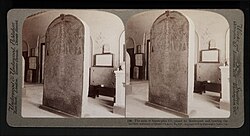
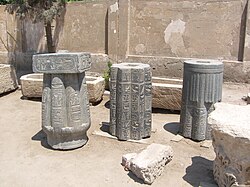
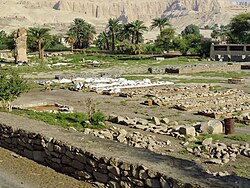
Amenhotep III was one of the most prolific builders in Egyptian history. His most ambitious project was his enormous mortuary temple on the west bank of the Nile. At its peak, it was the largest religious complex in Thebes. However, because it was built too close to the floodplain, it succumbed to erosion and was later scavenged for stone by subsequent pharaohs like Merneptah.
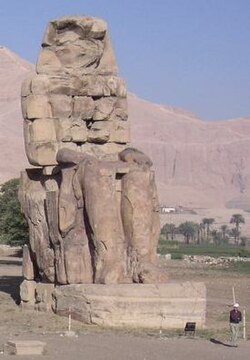
Today, the most striking remnants of this complex are the Colossi of Memnon—two massive stone statues of the king standing 18 meters (59 feet) high. He also contributed significantly to the Karnak temple complex by building the Third Pylon and commissioned 600 statues of the goddess Sekhmet for the Temple of Mut.
International Relations and Diplomacy
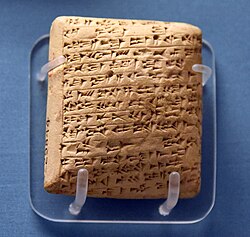
The reign of Amenhotep III was a golden age of diplomacy. The Amarna Letters—a cache of diplomatic correspondence—reveal a complex network of relations between Egypt and other Near Eastern powers. These letters document the exchange of gifts, royal marriages, and political requests.
One notable diplomatic event was the pharaoh's marriage to Tadukhepa, the daughter of King Tushratta. This union was part of a broader strategy to maintain stability and prestige across the region, as evidenced by the letters sent from rulers like Labayu of Shechem.
Death, Burial, and Genetic Analysis
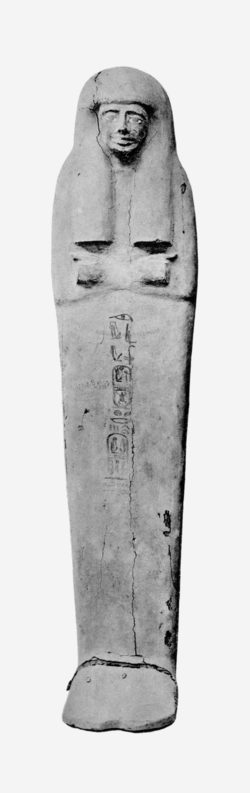
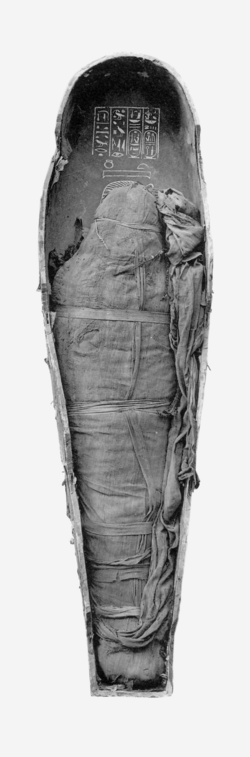
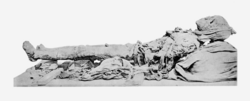
Amenhotep III died around age 45. While his original burial was in tomb WV22, his mummy was eventually found in the KV35 royal cache in the Theban Necropolis, having been moved to protect it from tomb robbers.
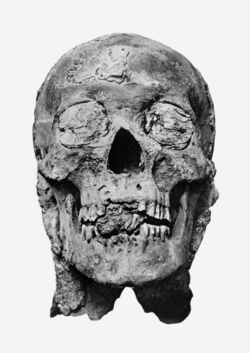
Recent scientific studies have sought to uncover the genetic origins of the 18th Dynasty. Analysis of Short Tandem Repeat (STR) data by researchers such as S.O.Y. Keita and Jean-Philippe Gourdine has suggested strong affinities with sub-Saharan African populations. Other multidisciplinary reviews have identified the R1b M89 haplogroup among the Amarna pharaohs, suggesting a complex genetic admixture that reflects Egypt's position as a crossroads between Africa, Asia, and the Near East.
Summary of Amenhotep III's Profile
| Category | Details |
|---|---|
| Dynasty | 18th Dynasty (New Kingdom) |
| Predecessor | Thutmose IV |
| Successor | Akhenaten |
| Primary Consort | Queen Tiye |
| Key Structures | Colossi of Memnon, Malkata Palace, Luxor Temple |
| Estimated Age at Death | Approximately 45 years |
Frequently Asked Questions
Who was Amenhotep III's successor?
Amenhotep III was succeeded by his son, Amenhotep IV, who later changed his name to Akhenaten and initiated a religious revolution centered on the Aten.
What are the Colossi of Memnon?
The Colossi of Memnon are two massive 18-meter-high stone statues of Amenhotep III. They are the remaining gateways to his once-vast mortuary temple in Thebes.
What do the Amarna Letters tell us about his reign?
The Amarna Letters provide insight into the international diplomacy of the 14th century BCE, showing how Amenhotep III managed relations with foreign leaders through gifts and strategic marriages.
Where was Amenhotep III's mummy found?
Although his tomb was WV22, his mummy was discovered in the KV35 royal cache, a hidden location used by ancient priests to protect royal remains from looters.
What have genetic studies revealed about his ancestry?
Recent STR and haplogroup analyses suggest a mixture of lineages, including strong affinities with sub-Saharan African populations and markers (like R1b) that may indicate connections to Asia or the Near East.