Agrochemicals: The Science, Market, and Environmental Impact of Agricultural Chemicals
Agrochemicals (a contraction of agricultural chemicals) are chemical products utilized in industrial and conventional agriculture to enhance crop yields and protect plants from pests. While the term is often used informally to refer specifically to pesticides or fertilizers, it more accurately encompasses a broad spectrum of chemicals used to manage plant health, soil quality, and livestock productivity.
Beyond the common fertilizers and pesticides, this category includes plant hormones and plant growth regulators (PGRs), insect attractants and repellents, plant defense inducers, and herbicide safeners. It also covers adjuvants (substances added to improve the performance of a chemical), co-formulants, soil conditioners, and agents used for liming or acidifying soil. In livestock management, agrochemicals extend to feed additives, animal growth regulators, and antiparasitics such as anthelmintics.
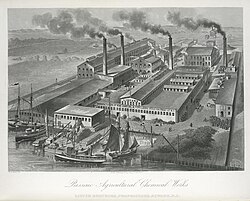
Key Facts
- Primary Types: Agrochemicals primarily consist of synthetic fertilizers and pesticides.
- Global Scale: In 2021, 3.54 million tonnes of active pesticide ingredients were used globally.
- Fertilizer Volume: In 2018, global use included 120 million tons of nitrogen, 45 million tons of potassium, and 44 million tons of phosphorus.
- Market Leaders: The pesticide market is dominated by firms like Bayer Crop Science, BASF, Corteva Agriscience, and ChemChina.
- Environmental Risk: Improper use can lead to waterway pollution via runoff and biodiversity loss.
Manufacture and Production
The production methods for agrochemicals vary significantly depending on the intended use. Nitrogen fertilizers are synthesized using the Haber–Bosch process, which produces ammonia (NH3). In contrast, phosphate and potassium fertilizers are derived from naturally occurring minerals.
Pesticides follow a different manufacturing path; most are produced indirectly from petrochemicals, although some are developed through biological processes.
Market Dynamics and Global Usage
The agrochemical industry represents a massive global economic sector. In 2018, world pesticide sales were estimated at $65 billion, with 88% of that volume dedicated to agriculture. Four major companies—ChemChina (including Syngenta and Adama), Bayer Crop Science, BASF, and Corteva Agriscience—controlled approximately 60% of this market.
The inorganic fertilizer market is even larger, with 2018 sales revenues reaching roughly US$151 billion. Production capacity for nitrogen and phosphorus is concentrated in China, the United States, India, and Russia, while Canada stands as the leading producer of potassium. Interestingly, the companies dominating the fertilizer market differ from those leading the pesticide sector.
| Category | Metric | Value/Amount |
|---|---|---|
| Pesticides (2021) | Active Ingredients Used | 3.54 Million Tonnes |
| Pesticides (2018) | Estimated Global Sales | $65 Billion |
| Nitrogen Fertilizer (2018) | Elemental Usage | 120 Million Tons |
| Phosphorus Fertilizer (2018) | P2O5 Usage | 44 Million Tons |
| Potassium Fertilizer (2018) | K2O Usage | 45 Million Tons |
| Inorganic Fertilizers (2018) | Global Sales Revenue | ~$151 Billion |
Historical Evolution
Historically, farmers relied on organic matter such as manure and compost for soil fertility. The shift toward inorganic fertilizers began in the early 20th century, seeing a massive surge in production during the latter half of the century.
Pesticide use has deeper roots, with inorganic versions used thousands of years ago in China and Sumeria. However, the manufacture of organic chemical pesticides only began in the mid-20th century. The majority of modern pesticides were developed in the late 20th century, coinciding with the Green Revolution, which saw a vast expansion in their global application.
Application and Ecological Impact
Agrochemicals are delivered to crops through several standard methods, including foliar sprays (applied to leaves), root drenches, the broadcasting of granules, and seed coating.
Despite their utility, these chemicals pose significant risks to public health and the environment. Runoff can cause severe damage to waterways, and improper storage can lead to toxic spills, particularly during extreme weather events. The publication of Rachel Carson's Silent Spring brought global attention to how these chemicals contribute to biodiversity loss and ecosystem degradation.
Due to their toxicity, many countries strictly regulate agrochemicals. This includes mandatory registration processes, government permits for purchase, and strict standards for labeling, storage, and disposal. For example, bovine somatotropin is widely used in the United States but is not approved in Canada due to concerns regarding cow health.
Sustainable Alternatives
To mitigate ecological damage, various farming systems aim to reduce or eliminate the use of synthetic agrochemicals. These include:
- Organic and Biodynamic Farming: Systems that avoid synthetic inputs.
- Agroecology and Permaculture: Approaches focusing on ecological balance and sustainable design.
- Precision Agriculture: Using technology to apply chemicals only where absolutely necessary.
- Biological Controls: Utilizing natural predators or biofumigation to manage pests.
- Alternative Methods: Crop rotation, intercropping, hydroponics, vertical farming, and the use of genetically modified crops.
Frequently Asked Questions
What is the difference between a pesticide and an agrochemical?
A pesticide is a specific type of agrochemical designed to kill or control pests. "Agrochemical" is a broader umbrella term that includes pesticides as well as fertilizers, plant hormones, and soil conditioners.
How are nitrogen fertilizers produced?
Nitrogen fertilizers are primarily manufactured using the Haber–Bosch process, which synthesizes ammonia (NH3) from its elemental components.
What are the main environmental risks associated with agrochemicals?
The primary risks include water pollution through chemical runoff, the loss of biodiversity, and potential health hazards resulting from accidental spills or improper storage.
Which countries dominate the production of inorganic fertilizers?
China, the United States, India, and Russia dominate the production of nitrogen and phosphorus, while Canada is the largest producer of potassium.
What are some alternatives to using synthetic agrochemicals?
Alternatives include organic farming, integrated pest management, crop rotation, biological pest control, and precision agriculture, all of which aim to reduce reliance on synthetic chemicals.