FMC Corporation: From Agricultural Pumps to Global Chemical Leadership
FMC Corporation is a prominent American chemical manufacturing company that has evolved over more than a century from a small regional pump maker into a global leader in agricultural sciences. Headquartered in the FMC Tower in Philadelphia, Pennsylvania, the company currently focuses its portfolio on agriculture, health, nutrition, and lithium technologies.
The company's journey is marked by extreme diversification, having ventured into military hardware, recreational vehicles, and heavy machinery before refining its core focus on the chemical industry. Today, FMC is a public company traded on the New York Stock Exchange (NYSE: FMC) and is a component of the S&P 600.
Key Facts
- Founded: 1883 in Los Gatos, California, by chemist John Bean.
- Current Headquarters: Philadelphia, Pennsylvania.
- 2024 Revenue: US$ 4.25 billion.
- 2024 Net Income: US$ 341 million.
- Global Workforce: Approximately 5,700 employees (2024).
- Core Industry: Chemicals, specifically crop protection and agricultural solutions.
The Origins: The Bean Spray Pump Company
The foundation of FMC began in 1883 when John Bean, a chemist, established the Bean Spray Pump Company in Los Gatos, California. Bean's primary innovation was a piston pump designed to spray insecticides on local fruit orchards. This invention addressed a critical need for agricultural pest control in the region and set the stage for the company's long-term involvement in chemical application.
By 1928, the company expanded through the acquisition of the Sprague-Sells Co. (canning machinery) and the Anderson-Barngrover Co. (rotary pressure sterilizers). This shift toward food processing equipment led the company to rename itself the Food Machinery Corporation, eventually adopting the initials FMC.
Diversification and Military Contributions
During World War II, FMC pivoted toward defense. In 1941, the company secured a contract from the United States Department of War to design and build amphibious tracked landing vehicles. This marked the beginning of a significant era of military production, where FMC ranked 64th among U.S. corporations for the value of its WWII military contracts.
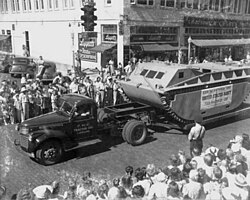
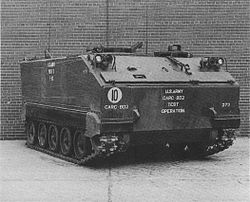
Following the war, FMC continued to innovate in the defense sector. The company developed the M113 Armored Personnel Carrier (APC) and the Bradley Fighting Vehicle at its Santa Clara, California facility. They also experimented with high-speed ship-to-shore cargo carriers using hydrofoils—underwater wings that lift a hull above the water to reduce drag and increase speed—though these prototypes did not enter full production.
Industrial Expansion and Spinoffs
Between the 1960s and 1990s, FMC operated as a conglomerate with interests in various industrial sectors. This included the acquisition of Link-Belt in 1967, leading to the production of cranes and excavators. The company also ventured into the recreational vehicle market in 1972, producing motorcoaches until the oil crisis forced an exit from the market five years later.
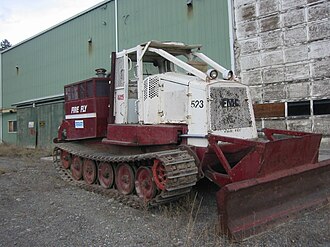
The company also produced firefighting equipment and specialized chemical products for the meat processing industry, including patented methods for sanitizing poultry to reduce pathogens like E. coli and salmonella.
To streamline operations, FMC began a series of spinoffs and divestitures. Notable changes included the creation of FMC Technologies in 2001 (which later merged into TechnipFMC) and the spinoff of Livent in 2019. Other divisions, such as the automotive unit (sold to Snap-on) and Bolens Lawn and Garden Equipment (sold to Troy-Bilt), were also divested.
Modern Era and Strategic Focus
In the 21st century, FMC has returned to its roots in agricultural chemistry. A pivotal moment occurred in 2014 with the acquisition of Cheminova, a multinational crop protection company. This move aligned FMC with a strategy focused on agriculture, health, and nutrition. Additionally, the company expanded its herbicide portfolio through an agreement with DuPont following the Dow-Dupont merger.
| Metric | Value |
|---|---|
| Revenue | US$ 4.25 Billion |
| Operating Income | US$ 507 Million |
| Net Income | US$ 341 Million |
| Total Assets | US$ 11.7 Billion |
| Total Equity | US$ 4.49 Billion |
| Employee Count | 5,700 |
Environmental and Ethical Challenges
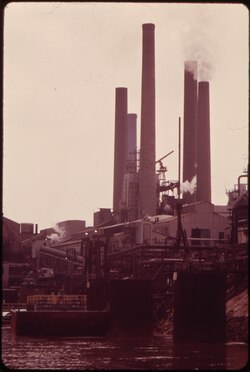
FMC's industrial history has not been without controversy. The company has been linked to several Superfund sites—locations contaminated by hazardous waste that require long-term cleanup under the Comprehensive Environmental Response, Compensation, and Liability Act (CERCLA). These sites include phosphate mining areas in Idaho, a plant in Fridley, Minnesota, a pesticide plant in Yakima, Washington, and a waste site in Orleans County, New York.
Additionally, the company faced scrutiny in 2009 regarding the illegal use of its pesticide, Furadan, by farmers in Kenya to kill African lions. In response, FMC implemented a buy-back program in East Africa and worked with government officials to stop the illegal misuse of the chemical.
Frequently Asked Questions
Who founded FMC Corporation?
FMC was founded in 1883 by chemist John Bean as the Bean Spray Pump Company in Los Gatos, California.
What was FMC's role in World War II?
FMC was contracted by the U.S. Department of War to design and build amphibious tracked landing vehicles, becoming a significant military producer during the conflict.
What is FMC's primary business focus today?
The company currently focuses on the chemical industry, specifically crop protection and agricultural solutions for health and nutrition markets.
What are some of the military vehicles FMC produced?
FMC produced the M113 Armored Personnel Carrier (APC) and the Bradley Fighting Vehicle.
How did FMC address the misuse of Furadan in Africa?
FMC engaged with NGOs and government officials and eventually instituted a buy-back program in East Africa to prevent the illegal use of the pesticide to kill wildlife.