Bayer AG: A Legacy of Pharmaceutical and Agricultural Innovation
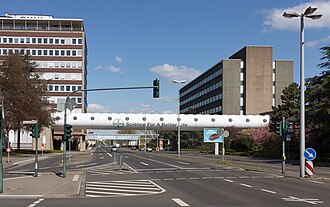
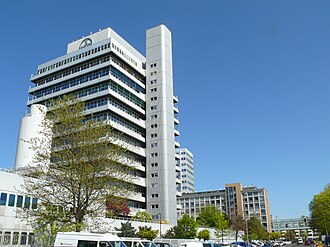
Bayer AG is a global powerhouse in the fields of pharmaceuticals, chemicals, and biotechnology. Headquartered in Leverkusen, North Rhine-Westphalia, Germany, the company has evolved from a 19th-century dye factory into one of the world's most influential healthcare and agricultural science organizations. Today, Bayer operates worldwide, balancing a diverse portfolio that spans prescription medications, over-the-counter drugs, and advanced crop science.
The company is a major component of the DAX and Euro Stoxx 50 indices, reflecting its significant weight in the global economy. Under the leadership of CEO Bill Anderson and Supervisory Board Chairman Norbert Winkeljohann, Bayer continues to navigate the complex intersection of human health and food security.
Key Facts
- Founded: August 1, 1863, by Friedrich Bayer.
- Global Headquarters: Leverkusen, Germany.
- 2024 Revenue: €46.6 billion.
- Workforce: 92,815 employees (as of 2024).
- Core Divisions: Crop Science, Pharmaceuticals, and Consumer Health.
- Total Assets: €102 billion (2024).
Early History and Foundation
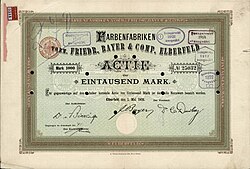
The company's roots trace back to 1863. By 1866, production facilities moved from Barmen to Elberfeld to accommodate growth. Friedrich Bayer, a chemist and son of the founder, joined the firm in 1873. Following his father's death in 1880, the business transitioned into a joint-stock company known as Farbenfabriken vorm. Friedr. Bayer & Co (also referred to as Elberfelder Farbenfabriken).
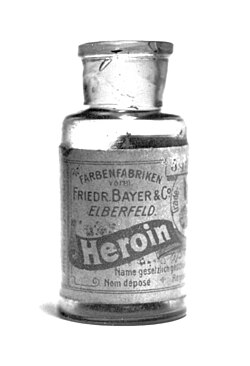
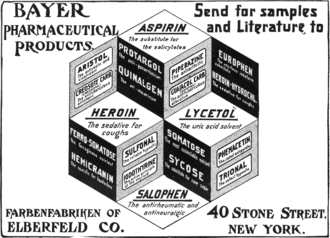
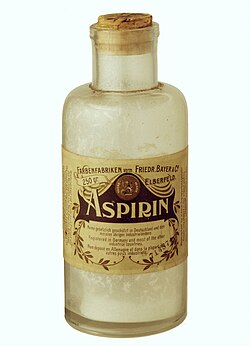
Bayer's early success was marked by the development of groundbreaking medicinal products, most notably Aspirin, which became a global household name. The company also developed other significant early products, including Heroin and Phenobarbital.
Impact of the World Wars
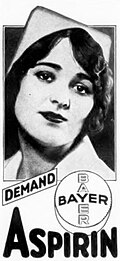
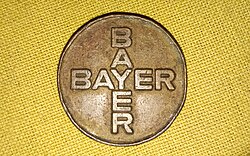
The geopolitical upheavals of the 20th century deeply affected Bayer. During World War I (1914–1918), the company's assets and trademarks—including the iconic Bayer cross—were confiscated in several countries, including the United States and Canada. These assets were acquired by Sterling Drug and were not reclaimed by Bayer until 1994.
The company's history is also marked by its involvement with IG Farben during World War II and the Holocaust. In 1995, then-CEO Helge Wehmeier issued a public apology to Elie Wiesel for the company's actions during this period.
Corporate Structure and Business Units
Bayer operates through three primary business segments, each focusing on a different aspect of life sciences:
- Crop Science: The largest division (48.8% share), focusing on seeds, pesticides, and plant biotechnology.
- Pharmaceuticals: Contributing 38.0% of the business, this unit develops prescription therapeutics and diagnostic imaging.
- Consumer Health: Accounting for 12.7%, this division manages over-the-counter (OTC) drugs and wellness products.
Pharmaceutical Portfolio
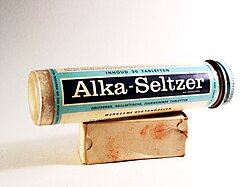
Bayer's pharmaceutical success is driven by several key growth products. As of 2019, these included Xarelto (rivaroxaban), Eylea (aflibercept), Stivarga (regorafenib), Xofigo (radium-223), and Adempas (riociguat). The company also maintains a strong presence in the OTC market, having owned Alka-Seltzer since 1978.
Strategic Acquisitions and Divestments
Bayer has aggressively expanded its footprint through high-profile acquisitions. One of the most significant was the acquisition of Monsanto, which solidified Bayer's position in the agricultural sector but also brought substantial legal challenges. Other notable acquisitions include Schering and Algeta. Most recently, in May 2026, Bayer announced plans to acquire the biopharmaceutical company Perfuse Therapeutics for up to $2.45 billion.
Conversely, the company has streamlined its operations by spinning off certain units. For example, Covestro was spun off, and Bayer Chemicals AG was combined with other segments to form Lanxess on July 1, 2004.
Financial Performance and Ownership
Bayer's financial trajectory has seen significant volatility in recent years, particularly following the Monsanto merger. While revenues have remained high, net income has faced pressure from litigation and restructuring costs.
| Year | Revenue (€ bn) | Net Income (€ bn) | Total Assets (€ bn) | Employees |
|---|---|---|---|---|
| 2020 | 41.4 | −10.4 | 117 | 99,538 |
| 2022 | 50.7 | 4.1 | 124 | 101,369 |
| 2023 | 47.6 | −2.9 | 116 | 99,723 |
| 2024 | 46.6 | −2.6 | 111 | 92,815 |
As of early 2024, the company's ownership is widely distributed, with Temasek Holdings (3.5%) and Norges Bank (3.1%) among the largest shareholders.
Legal Challenges and Litigation
Bayer has faced extensive litigation, primarily stemming from its acquisition of Monsanto. The most prominent cases involve Roundup (glyphosate), with the company agreeing to multi-billion dollar settlements to resolve cancer claims. Other legal hurdles include lawsuits regarding the blood thinner Xarelto, the herbicide Dicamba, and historical PCB pollution.
In June 2020, Bayer attempted to settle PCB contamination lawsuits with an $800 million offer, though a subsequent $650 million offer was rejected by a U.S. District Judge in November 2020, allowing the lawsuits to proceed.
Frequently Asked Questions
What are the main business divisions of Bayer AG?
Bayer is divided into three primary segments: Crop Science (seeds and pesticides), Pharmaceuticals (prescription drugs and imaging), and Consumer Health (over-the-counter medications).
How did Bayer lose its trademarks after World War I?
During World War I, Bayer's assets and trademarks, including the Bayer cross, were confiscated in the U.S. and Canada. They were acquired by Sterling Drug and were not reclaimed by Bayer until 1994.
What is the significance of the Monsanto acquisition?
The acquisition of Monsanto made Bayer a global leader in agriculture but also exposed the company to massive legal liabilities, particularly regarding the weedkiller Roundup.
Who is the current CEO of Bayer?
The current CEO of Bayer AG is Bill Anderson.
What is the financial status of Bayer as of 2024?
In 2024, Bayer reported revenue of €46.6 billion, though it faced a net loss of €2.6 billion and an operating income loss of €71 million.