African Culture: A Tapestry of Diversity and Heritage
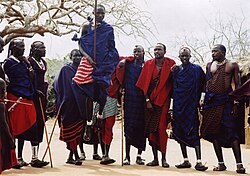
The culture of Africa is a vast and manifold mosaic, shaped by a mixture of diverse populations inhabiting the continent and the global African diaspora. At its core, culture represents the collective mass of distinctive qualities—including laws, morals, beliefs, knowledge, art, and customs—that define a specific group of people. In Africa, this manifests as a rich variety of ethnic nationalities, each contributing unique languages, cuisines, greetings, and artistic expressions.
While the continent is characterized by immense diversity, regional cultures often share dominant traits. These include shared social values, religious beliefs, and a profound respect for elders and traditional leaders, such as kings and chiefs. This balance between distinct local identities and overarching regional similarities creates a complex cultural landscape that continues to evolve.
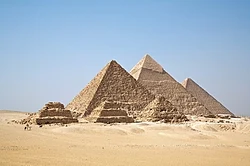
Key Facts
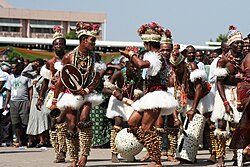
- Linguistic Diversity: Africa is home to between 1,000 and 2,000 languages, representing roughly one-third of the world's total languages.
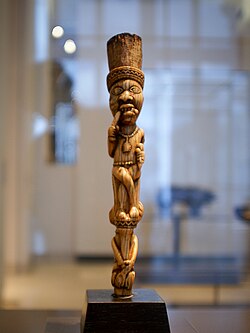
- Heritage Displacement: An estimated 90% to 95% of Africa's cultural heritage is currently held in museums outside the continent.
- Language Families: The Niger-Congo family is the largest, containing approximately 1,350 to 1,650 languages.
- Global Influence: West African traditions profoundly influenced the Americas and the Caribbean via the Trans-Atlantic Slave Trade and subsequent immigration.
- Sporting Dominance: East African nations excel in long-distance running, while North African countries are dominant in handball.
Historical Evolution and Identity
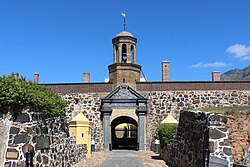
African cultural identity has been shaped by both internal growth and external pressures. During the Roman colonization of North Africa, provinces like Tripolitania became vital food producers for the empire, generating significant wealth over 400 years. Later, European colonialism introduced attitudes of superiority, where "civilization" was often equated with the abandonment of traditional African ways in favor of European languages and customs.
In the post-independence era, many nations have focused on cultural regeneration as a tool for nation-building. This movement seeks to harness cultural resources to enrich education and development. It is important to distinguish between African cultures (originating on the continent) and Black culture (developed by African Americans in the United States after the loss of ancestral traditions during enslavement).
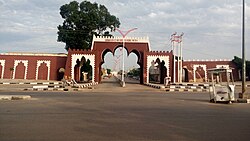
Arts, Crafts, and Aesthetics
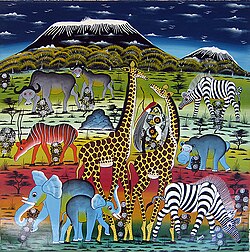
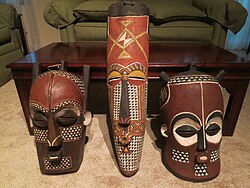
Africa possesses a storied tradition of arts and crafts, where personal appearance and symbolic representation play central roles. Jewelry, often crafted from cowry shells, remains a vital accessory. Masks are equally significant, featuring elaborate designs used in ceremonies to represent deities, mythological characters, ancestors, and spirits.
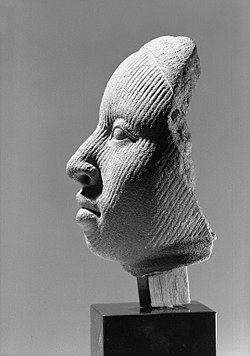
Visual arts vary by region, from the realistic terracotta head sculptures of the Yoruba representing the oni (king) of Ife to the vibrant Tingatinga paintings found in Tanzania and Kenya.
Traditional Clothing and Textiles
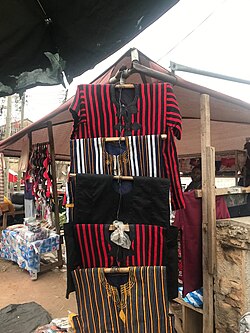
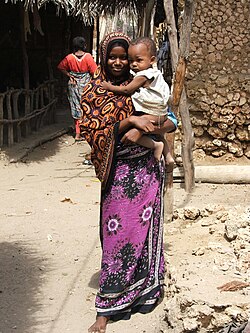
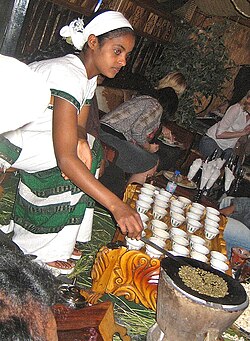
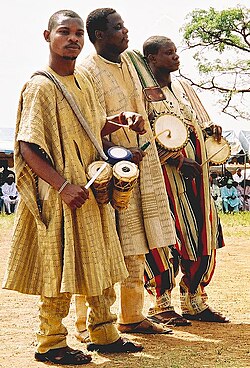
Clothing in Africa serves as both a functional necessity and a marker of identity. In Ethiopia, the national costume is the habesha kemis, a white outfit made from schema (cotton cloth woven in long strips). While the habesha kemis is widespread, other groups like the Oromo of Bale use leather garments, and the Afaris wear brightly colored cotton wraps. Both men and women often utilize the netela, a traditional shawl.
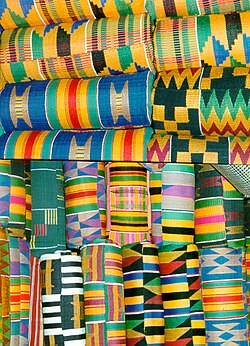
Across the continent, textiles like the Kente cloth of the Ashanti or the kanga worn in Kenya showcase the intricate weaving and symbolic patterns inherent to African dress.
Linguistic Landscape
The linguistic diversity of Africa is categorized into four primary ethnolinguistic divisions:
- Niger-Congo: The world's largest language family (1,350–1,650 languages), including the Bantu languages.
- Afro-Asiatic: Approximately 200 languages, dominant in Northern Africa and the Horn of Africa.
- Nilo-Saharan: Around 140 languages spoken in the Sahara, Sahel, and Eastern Africa.
- Khoisan: The smallest (40–70 members) and believed to be the oldest family, found mainly in Southern Africa.
The most widely spoken languages include Swahili (100 million speakers), Hausa (38 million), Igbo (21 million), Yoruba (20 million), Amharic (20 million), and Fula (13 million). Due to this diversity, many countries utilize multiple official languages, blending indigenous tongues with European languages like English, French, and Portuguese.
Cuisine, Music, and Sport
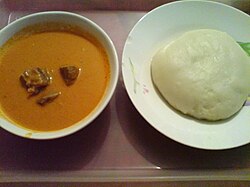
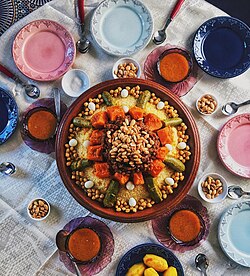
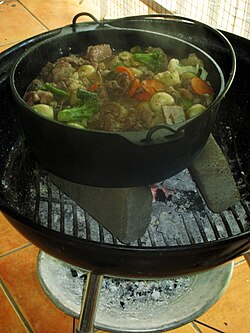
African cuisine is as varied as its geography, featuring staples such as fufu (a dough-like mash served with peanut soup) in West and Central Africa, couscous in Morocco, and potjiekos (a slow-cooked stew) in South Africa.
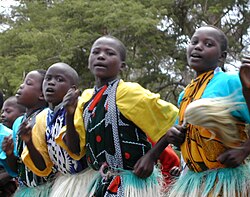
Musical traditions range from the string and horn-heavy compositions of the Nilo-Saharan peoples to the complex poly-rhythms and footwork of the Khoisans. Iconic figures like the Egyptian singer Umm Kulthum have left an indelible mark on the continent's musical history.
![Egyptian singer Umm Kulthum,[50] one of the most iconic singers in African history[51][52]](/images/5c/e3/5ce31125e42b6b1260452f00039cef867d2724f429d36625850649b8f5336881.jpg)
In sports, association football is the most popular across the continent. South Africa made history in 2010 as the first African nation to host the FIFA World Cup. While traditional sports were marginalized during the colonial era, many persist today despite a lack of formal government support.

| Category | Key Examples / Details | Regional Focus |
|---|---|---|
| Languages | Swahili, Hausa, Yoruba, Amharic | Continent-wide |
| Textiles | Kente, Habesha Kemis, Kanga | West, East, and Horn of Africa |
| Cuisine | Fufu, Couscous, Potjiekos | West, North, and South Africa |
| Sports | Football, Long-distance running, Rugby | Continent-wide |
| Arts | Tingatinga, Terracotta, Masks | East, West, and Central Africa |
Frequently Asked Questions

How many languages are spoken in Africa?
Africa is home to approximately one-third of the world's languages, with estimates ranging between 1,000 and 2,000 distinct languages.
What is the difference between African culture and Black culture?
African cultures originated on the African continent. Black culture was developed by African Americans in the United States after they were stripped of most of their original African cultural heritage during enslavement.
Which is the largest language family in Africa?
The Niger-Congo language family is the largest, containing between 1,350 and 1,650 languages and spanning Western, Central, Eastern, and Southern Africa.
Where is most of Africa's cultural heritage currently located?
A significant portion of Africa's cultural heritage, estimated at 90% to 95%, is held in large museums outside of the African continent.
What are some of the most popular sports in Africa?
Association football (soccer) is the most popular sport across almost all African countries. Additionally, East Africa is dominant in long-distance running, and South Africa has a strong tradition of rugby union.