Adelaide Hall: The Global Voice of Jazz and Cabaret
Adelaide Hall was a powerhouse of the early 20th century, a versatile artist whose talents spanned singing, acting, dancing, and musicianship. As a nightclub chanteuse—a sophisticated singer specializing in cabaret—she became one of the most recognizable faces of the jazz age, bridging the gap between the vibrant energy of Harlem and the prestigious stages of Europe.
Her career, which spanned seven decades from 1921 to 1992, saw her evolve from a New York sensation into an international icon. Whether performing with the legendary Duke Ellington or headlining West End shows, Hall's voice and stage presence defined an era of musical sophistication.
Key Facts
- Active Years: 1921–1992.
- Key Collaborations: Most notably with Duke Ellington and Bill "Bojangles" Robinson.
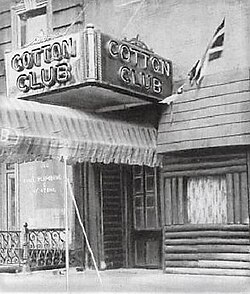
- Major Works: Starred in Blackbirds of 1928 and performed at the iconic Cotton Club.
- Global Reach: Achieved significant chart success in both the United States and the United Kingdom.
- Instruments: Vocals, ukulele, and acoustic guitar.
The American Ascent (1921–1935)
Adelaide Hall's rise to fame began in the United States, where she quickly established herself in the competitive New York scene. She performed at legendary venues such as Small's Paradise and the Harlem Opera House. One of her most pivotal professional relationships was with Duke Ellington; her recordings with his orchestra, including the 1927 track "Creole Love Call," cemented her status as a premier jazz vocalist.
In 1928, Hall starred in Blackbirds of 1928, a landmark production that brought her immense acclaim. Her success in this show led to international opportunities, including a run at the Moulin Rouge in Paris.
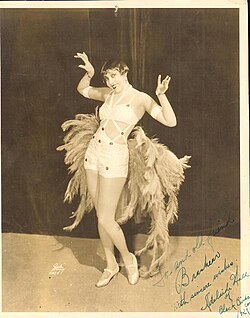
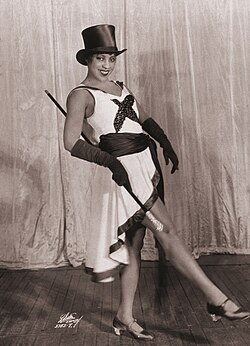
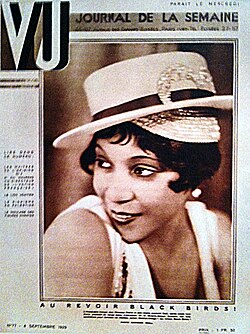
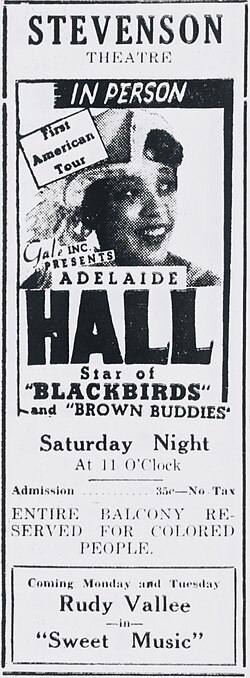
By 1930, she was collaborating with the famed tap dancer Bill "Bojangles" Robinson in the Broadway musical Brown Buddies. Despite her success, Hall's journey was not without hardship; in 1932, she experienced a racist incident in Larchmont, Westchester County, reflecting the systemic challenges faced by Black artists of the era.
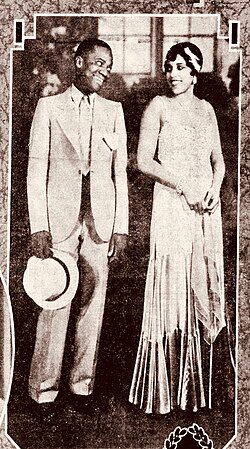
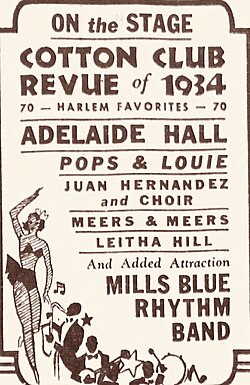
Throughout the early 1930s, Hall remained a prolific performer, embarking on a world concert tour (1931–1932) and headlining the Stormy Weather Revue and the Chocolate Soldiers revue at the Apollo Theater in Harlem. She also appeared in the Cotton Club Parade of 1934.
European Career and Move to London
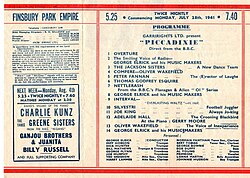
Between 1935 and 1938, Hall focused her efforts on Europe, eventually making London her permanent home in 1938. Her transition to the British stage was seamless, and she remained a prominent figure in the UK's musical landscape for the rest of her life.
During the late 1930s and early 1940s, she recorded extensively with Decca, producing hits that entered the UK singles charts. Her versatility allowed her to move between traditional pop, swing, and spirituals, often collaborating with other greats like Fats Waller and Stéphane Grappelli.
Musical Legacy and Discography
Hall's recording history is a testament to her range. From her early Victor and Columbia sessions in the US to her later work with London Records and EMI, she mastered various genres. In 1949, she recorded a set of spirituals with Kenneth Cantril, showcasing her roots in traditional Black American music.
| Category | Details |
|---|---|
| Primary Genres | Jazz, Swing, Traditional Pop, Spirituals, Musical Theatre |
| Notable Labels | Victor, Columbia, Brunswick, Decca, London, CBS |
| Key Films | A Son of Satan (1924), The Thief of Bagdad (1940) |
| Chart Success | UK Top 30 hits including "Careless" and "All the Things You Are" |
Final Years and Honors
Adelaide Hall passed away on November 7, 1993, at the age of 92 in London. She is buried at the Cemetery of the Evergreens in Brooklyn, New York.
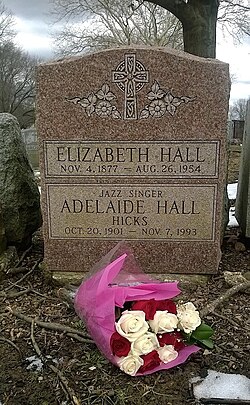
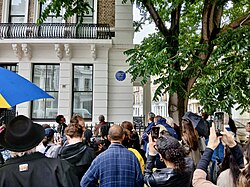
Her legacy continues to be celebrated through various honors. In 2021, she was awarded a Black Plaque, and in July 2024, a Blue Plaque was unveiled at Collingham Road in Kensington and Chelsea, London, to commemorate her contributions to music and art.
Frequently Asked Questions
Who was Adelaide Hall's most famous collaborator?
While she worked with many artists, her collaborations with Duke Ellington and his orchestra are among the most historically significant, particularly her work on "Creole Love Call."
Which major stage production helped launch her international fame?
The 1928 production Blackbirds of 1928 was a pivotal success that led to her performing at the Moulin Rouge in Paris and established her as a global star.
Did Adelaide Hall have success in the recording charts?
Yes, she achieved several chart entries in the UK during the 1940s with Decca, including "There Goes That Song Again," which peaked at number 15 in 1945.
What instruments did Adelaide Hall play?
In addition to her renowned vocal abilities, Adelaide Hall played the ukulele and the acoustic guitar.
Where is Adelaide Hall buried?
She is buried in the Terrace Hill Section (Grave 1252) of the Cemetery of the Evergreens in Brooklyn, New York.