YWCA: A Global Legacy of Women's Empowerment and Leadership
The Young Women's Christian Association (YWCA) is a global nonprofit organization dedicated to the empowerment, leadership, and fundamental rights of women, young women, and girls. Operating in more than 100 countries, the YWCA has evolved from a small supportive home for nurses into a massive international network advocating for social justice and gender equality.
While the organization maintains a historical connection to Christian values, it has grown into a diverse movement that addresses critical modern issues, including poverty, health, and human rights. Although independent of the YMCA, some local chapters have merged into joint YM/YWCAs to provide comprehensive programming for all.

Key Facts
- Founded: 1855 in London, United Kingdom.
- Founders: Mary Jane Kinnaird and Emma Robarts.
- Global Reach: Active in over 100 countries across eight global regions.
- World Headquarters: Le Grand-Saconnex, Canton of Geneva, Switzerland.
- Core Focus: Women's rights, leadership development, and the eradication of poverty.
The History and Evolution of the YWCA
Founding and Early Mission
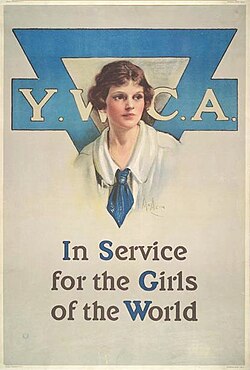
The YWCA began in 1855 when philanthropist Lady Mary Jane Kinnaird established the North London Home. Originally designed for nurses traveling to and from the Crimean War, the home provided housing, education, and support for single women moving from rural areas to join London's industrial workforce. In 1877, this organization merged with the Prayer Union, founded by evangelist Emma Robarts.
Global Expansion and Restructuring
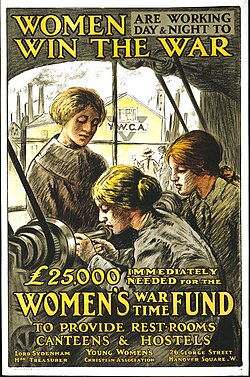
By 1884, the YWCA restructured to create a unified organization, though it maintained separate leadership for regions including Scotland, Ireland, and colonial territories. The movement expanded rapidly; the Australian YWCA was formed in 1880 in Sydney, and the World YWCA was officially founded in 1894 by the "founding mothers" of the USA, Great Britain, Norway, and Sweden.
Shift Toward Social Activism
In the early 20th century, the YWCA shifted from a primary focus on evangelism and moral protection toward social and industrial reform. A pivotal moment occurred during the 1910 Berlin conference, where a resolution was passed to study industrial problems and educate working women on legislation enacted for their benefit. By 1920, the organization had become largely secular, aligning itself with Social Gospel groups.
To shed its Anglocentric image, the World YWCA moved its headquarters from London to Geneva, Switzerland, in 1930. This move placed the organization alongside the League of Nations and other international bodies like the International Committee of the Red Cross.
The YWCA Through the Mid-20th Century
World War II and Recovery
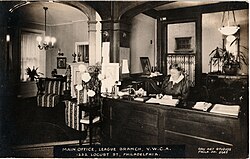
During World War II, YWCAs in Eastern Europe faced suppression and disbandment. However, in occupied Europe, members continued to build support systems for refugees and neighbors. In 1947, the organization held its first World Council meeting outside the West, taking place in Hangzhou, China. This meeting was a symbolic effort to unite women from former enemy nations and highlight the global impact of the war.
Modern Advocacy and Focus Areas
In the following decades, the World YWCA expanded its research and activism to include:
- Health: Addressing HIV and AIDS.
- Human Rights: Fighting for the rights of women and girls and the eradication of poverty.
- Sustainability: Promoting sustainable development and environmental protection.
- Peace: Advocating for disarmament and youth leadership.
Global Presence and Regional Impact
The YWCA operates through a federated, membership-based model across eight regions:
| Region | Key Locations/Details |
|---|---|
| North America | USA (200+ associations) and Canada (30+ associations). |
| Europe | Includes Great Britain, Norway, Belarus, and Romania. |
| Asia | Includes China, India, Korea, Philippines, and Thailand. |
| Africa | Over 20 national YWCAs, including South Africa and Togo. |
| Pacific | Australia, New Zealand, Fiji, and Samoa. |
| Middle East | Egypt, Jordan, Lebanon, and Palestine. |
| Caribbean | Barbados, Grenada, Haiti, and Trinidad & Tobago. |
| Middle & South America | Argentina, Brazil, Chile, Colombia, and others. |
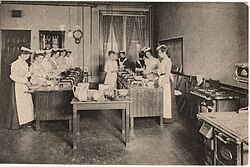
In the United States, the YWCA is one of the largest providers of domestic violence shelters and programs. In the Pacific, the movement has deep roots, with the first southern hemisphere YWCA established in Dunedin, New Zealand, in 1878.
Core Programs and Initiatives
YWCA Week Without Violence
Observed annually during the third week of October, this global initiative focuses on raising awareness and taking action to end violence against women and girls.
YWCA Week of Prayer
Established in 1904, this is a joint effort with the World Alliance of YMCAs. It involves a week-long Bible study and action plan based on a specific annual theme to foster global solidarity.
World YWCA Day
Originally created in 1948 as Observance Day, this event was renamed World YWCA Day in 1972. Celebrated on April 24, it encourages members to act locally on themes such as world peace and family life.
Governance and Partnerships
The organization is governed by the World Board, which oversees operations, and the World Council, the legislative authority that meets every four years to determine policy, budgets, and strategic direction. The World Council elects 20 women to the World Board.
The World YWCA is a member of the Big Six Alliance of Youth Organisations, which includes the World Alliance of YMCAs, the World Organization of the Scout Movement, and the International Federation of Red Cross and Red Crescent Societies. It also holds consultative status with the United Nations Economic and Social Council (ECOSOC).
Frequently Asked Questions
Is the YWCA the same as the YMCA?
No, the YWCA is an independent organization. However, some local or national associations have merged into joint YM/YWCAs to provide programs from both organizations.
Where is the YWCA headquartered?
The World office is located in Le Grand-Saconnex, Canton of Geneva, Switzerland, while the YWCA USA is headquartered in Washington, DC.
When was the YWCA founded and by whom?
It was founded in 1855 in London by Lady Mary Jane Kinnaird, later merging with the Prayer Union started by Emma Robarts.
What are the primary goals of the YWCA today?
The organization focuses on the empowerment, leadership, and rights of women and girls, while working to eradicate poverty and combat domestic violence.
What is the "Week Without Violence"?
It is an annual awareness campaign held during the third week of October to end violence against women and girls worldwide.