Paul Robeson: The Legacy of a Global Icon of Art and Activism
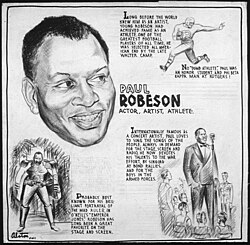
Paul Robeson was a true Renaissance man of the 20th century. A towering figure in every sense, he excelled as an All-American athlete, a legal scholar, a world-renowned bass-baritone singer, and a formidable actor. However, his most enduring legacy lies in his unwavering commitment to social justice and human rights, which often placed him at odds with the political powers of his time.
From the stages of London and New York to the battlefields of the Spanish Civil War, Robeson used his immense talent to amplify the voices of the oppressed. His life serves as a powerful study of the intersection between art and political conviction.
Key Facts
- Multifaceted Career: Achieved elite status as a professional athlete, lawyer, actor, and singer.
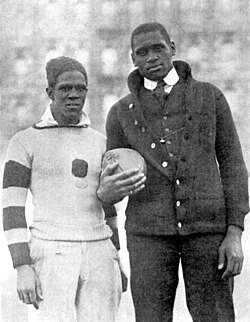
- Athletic Prowess: Two-time Consensus All-American football player at Rutgers University.
- Artistic Milestones: Renowned for his definitive portrayals of Othello and his role in Show Boat.
- Political Courage: A staunch activist against racial segregation and fascism, leading to his blacklisting during the McCarthy era.
- Global Influence: Performed and campaigned across Europe, Africa, and Asia to promote peace and equality.
Early Life and Academic Excellence
Born in Princeton, New Jersey, Paul Leroy Robeson demonstrated exceptional ability from a young age. He attended Rutgers University, where he became a standout athlete and scholar. In football, he played as an end and tackle, earning Consensus All-American honors in 1917 and 1918.
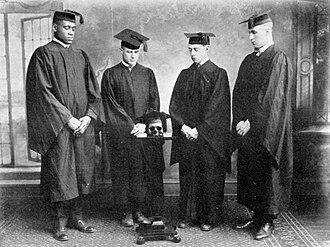
Robeson's intellectual curiosity led him to pursue a diverse education. After graduating from Rutgers with a BA, he attended New York University and Columbia University, where he earned his LLB (Bachelor of Laws). He further expanded his global perspective by studying at the SOAS University of London.
The Rise of a Global Performer
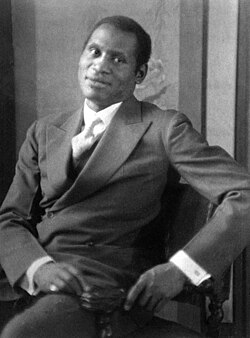
During the 1920s, Robeson became a central figure of the Harlem Renaissance—an intellectual and cultural revival of African American music, dance, art, and literature. His deep, resonant voice and commanding stage presence made him an overnight sensation.
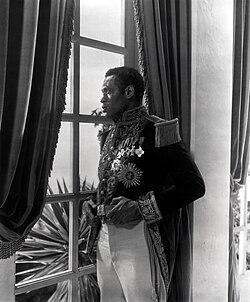
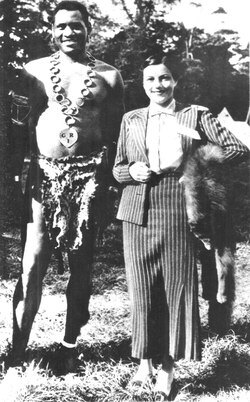
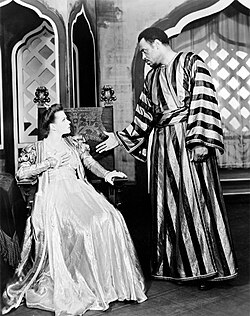
He gained international acclaim for his roles in The Emperor Jones and Show Boat. His portrayal of Othello, particularly in the 1943–44 Theatre Guild production, is regarded as one of the most significant performances in theatrical history.
Political Awakening and Activism
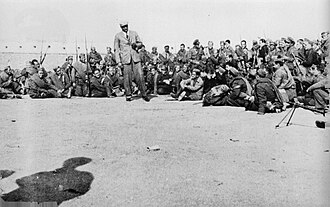
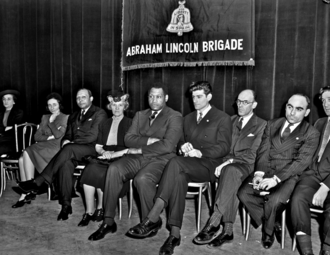
As his fame grew, so did Robeson's commitment to political activism. He became deeply involved in the fight against fascism and racial inequality. During the Spanish Civil War, he traveled to Spain to support the Abraham Lincoln Brigade, singing for soldiers to boost morale.
![Robeson performs at Birmingham Town Hall, England, on March 7, 1939, in aid of a local charity, the Birmingham Mail Christmas Tree Fund.[179] The advertised pianist was Lawrence Brown.[180]](/images/82/b7/82b7d543fe533aca0e22da63111f459302355d7192082e34d639e5b5d8000609.jpg)
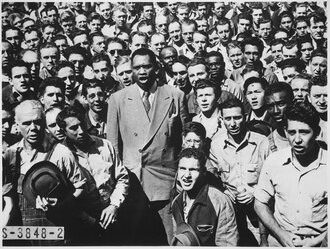
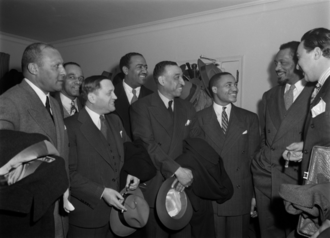
Robeson's activism extended to the labor movement and the fight to integrate Major League Baseball. He frequently used his platform to challenge the color line—the systemic racial segregation that barred Black Americans from professional opportunities and equal rights.
Persecution and the McCarthy Era
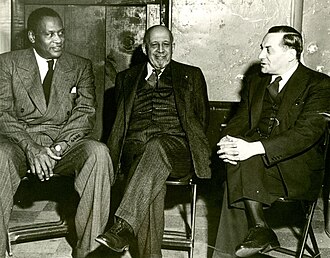
Following World War II, Robeson's outspoken criticism of American racism and his sympathies toward the Soviet Union made him a target of the U.S. government. During the McCarthy era—a period of intense anti-communist suspicion in the 1950s—Robeson was placed on the Attorney General's List of Subversive Organizations.
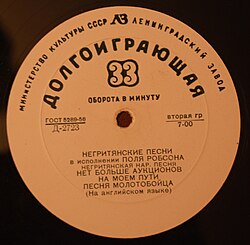
He was subsequently blacklisted, meaning he was denied work in the United States and his passport was revoked. Despite this persecution, he continued to perform and speak abroad, maintaining his principles in the face of systemic erasure.
Later Years and Lasting Impact
In the late 1950s, Robeson experienced a brief professional comeback with tours in Europe, Australia, and New Zealand. However, his health began to decline in the early 1960s, leading to a period of retirement after receiving treatment in East Germany.
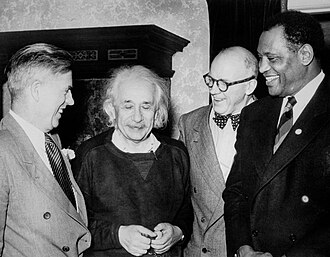
Paul Robeson passed away on January 23, 1976, at the age of 77. He is buried at Ferncliff Cemetery in Greenburgh, New York. Today, he is remembered not only as a master of the arts but as a pioneer of the global civil rights movement.
| Category | Details |
|---|---|
| Education | Rutgers (BA), Columbia (LLB), NYU, SOAS University of London |
| Athletics | 2x Consensus All-American (Football); played for Akron Pros and Milwaukee Badgers |
| Key Works | Othello, Show Boat, The Emperor Jones |
| Activism | Anti-fascism, Spanish Civil War support, Civil Rights, Anti-segregation |
| Major Challenges | Blacklisting during the McCarthy era; passport revocation |
Frequently Asked Questions
Was Paul Robeson a professional athlete?
Yes. Before his fame in the arts, Robeson was a star football player at Rutgers University and later played professionally for the Akron Pros in 1921 and the Milwaukee Badgers in 1922.
What was the significance of Robeson's role in Othello?
Robeson's portrayal of Othello was groundbreaking for its emotional depth and for challenging the racial barriers of the theatrical world, cementing his status as one of the greatest actors of his generation.
Why was Paul Robeson blacklisted?
Robeson was blacklisted during the McCarthy era due to his political activism, his public criticism of the U.S. government's record on civil rights, and his perceived sympathies toward communist ideologies.
Did Paul Robeson support the Spanish Civil War?
Yes, he was a fervent supporter of the anti-fascist cause in Spain, traveling there in 1938 to perform for the soldiers of the Abraham Lincoln Brigade.
Where can people learn more about his legacy today?
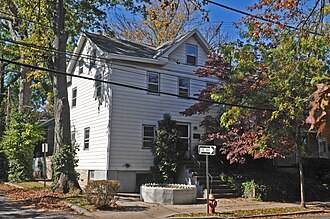
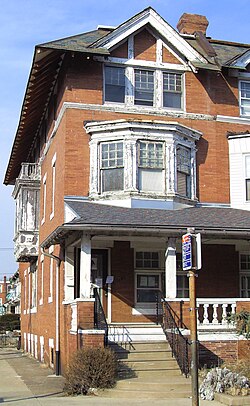
His legacy is preserved through the Paul Robeson House in Philadelphia, the Paul Robeson Library and Campus Center at Rutgers University, and various archives including the Library of Congress.