The Immortal Admiral: The Heroic Legacy of Yi Sun-sin
In the annals of naval history, few names command as much respect as Yi Sun-sin. A brilliant strategist and a symbol of unwavering resilience, the Joseon-era admiral is celebrated for his extraordinary victories against the Japanese navy during the Imjin War (1592–1598). Despite facing overwhelming odds, limited supplies, and political betrayal, Yi's tactical genius ensured the survival of his nation.
Key Facts
- Unbeaten Record: Generally accepted to have won at least 23 naval battles without a single loss.
- The Myeongnyang Miracle: Led just 13 ships to victory against a Japanese fleet of at least 133 vessels.
- Technological Innovation: Spearheaded the development and use of the turtle ship (Geobukseon).
- Posthumous Honor: Awarded the title Ch'ungmu (Lord of Loyal Valor).
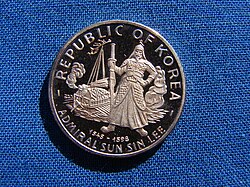
- National Icon: Voted the most respected person in South Korea in a 2019 Gallup poll.
Early Life and Rise to Command
Born on April 28, 1545, in Hanseong (modern-day Seoul), Yi Sun-sin did not come from a family with established political power. His father and grandfather had failed to secure high government positions, leaving Yi to forge his own path. His ascent was aided by the mentorship of Yu Sŏngnyong, a prominent scholar-official and neighbor, who helped propel him into high military posts.
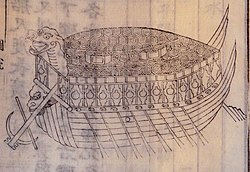
In 1591, Yi assumed his post at Yeosu. Recognizing the growing threat of invasion, he immediately began a rigorous buildup of the regional navy. This period of preparation included critical reforms and the construction of the turtle ship—an armored vessel designed to withstand boarding attempts and provide superior firepower.
The Imjin War: A Series of Naval Victories
When the Japanese invasion began in 1592, Admiral Yi was ready. His early campaigns were characterized by decisive artillery bombardments and superior maneuvering.
The Campaigns of 1592
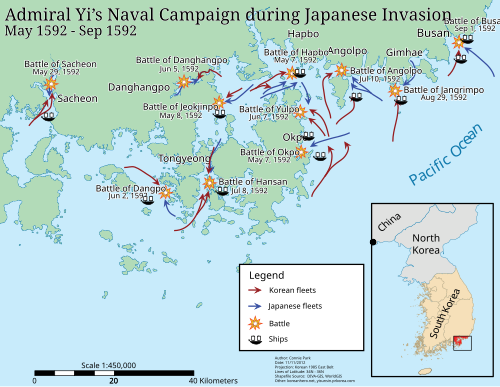
During the first campaign, Yi and Admiral Yi Eok-gi engaged Japanese forces at Okpo, destroying numerous vessels without losing a single Korean ship. This success continued through battles at Jeokjinpo, Dangpo, and Danghangpo. One of his most famous tactical achievements occurred at the Battle of Hansan Island, where he employed the "crane wing" formation (Hagikjin). By luring the enemy into the open sea and surrounding them in a semicircular shape, his fleet could unleash devastating volleys of cannon fire.
Political Turmoil and Dismissal
Despite his successes, Yi faced intense political scrutiny. In 1597, he was stripped of his command, imprisoned, and subjected to severe torture. Though King Seonjo initially intended to execute him, supporters like the minister Jeong Tak convinced the King to spare his life. Yi was demoted to the rank of a common infantry soldier—a profound humiliation for a high-ranking general—but he accepted his fate with quiet dignity.
The Turning Point: Myeongnyang and the Final Stand
The tide of the war shifted dramatically following the disastrous Battle of Chilchonryang. After Yi's successor, Wŏn Kyun, lost a massive portion of the Joseon fleet to a Japanese ambush, Yi was reinstated to lead the remnants of the navy.
The Battle of Myeongnyang
In one of history's most improbable victories, Yi took 13 warships into the Myeongnyang Strait to confront a Japanese fleet of approximately 333 ships. Utilizing the unpredictable currents of the strait and superior ranged fire from his cannons, Yi prevented the Japanese from engaging in the melee combat they preferred. The result was a crushing victory: 31 Japanese ships were destroyed or damaged, while the Joseon navy lost no ships and suffered only ten casualties.
The Battle of Noryang and Death
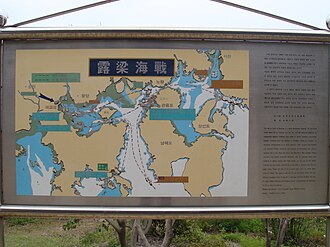
The conflict reached its climax at the Battle of Noryang, the final major engagement of the war. Fighting alongside Ming Chinese reinforcements, Yi led his fleet in a decisive struggle. It was during this battle, on December 16, 1598, that Admiral Yi was struck by a gunshot wound. He died at the age of 53, marking the end of an era.

Legacy and Cultural Impact
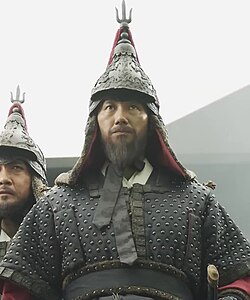
Admiral Yi Sun-sin remains a towering figure in Korean identity. His personal weapons, the Janggeom (a pair of swords), were designated as a National Treasure of South Korea in 2023. His life has been immortalized in countless films and dramas, most notably the record-breaking film The Admiral: Roaring Currents.
| Category | Details |
|---|---|
| Lifespan | April 28, 1545 – December 16, 1598 |
| Primary Conflict | Imjin War (Japanese invasions of Korea) |
| Key Naval Innovation | Turtle Ship (Geobukseon) |
| Most Famous Victory | Battle of Myeongnyang (13 ships vs. 133+) |
| Posthumous Title | Ch'ungmu (Lord of Loyal Valor) |
Frequently Asked Questions
What was the "crane wing" formation?
The crane wing formation (Hagikjin) was a tactical maneuver where ships were arranged in a semicircular shape to surround the enemy. This allowed the fleet to concentrate cannon fire on the trapped vessels from multiple angles.
How did the turtle ship differ from other vessels?
The turtle ship was specifically designed for combat. It featured a covered deck, often equipped with spikes to prevent enemy soldiers from boarding, and was capable of delivering powerful cannon fire while maintaining a defensive posture.
Why was Yi Sun-sin dismissed from his command?
Yi was relieved of his command in 1597 due to political tensions within the Joseon court. He was arrested, tortured, and demoted to the rank of a common soldier before eventually being reinstated following a major naval defeat by his successor.
What was the significance of the Battle of Myeongnyang?
The Battle of Myeongnyang is significant because Yi Sun-sin achieved a massive victory despite being outnumbered more than 25 to 1 in terms of ships. This victory prevented the Japanese from gaining total control of the seas and turned the momentum of the war.
How is Yi Sun-sin remembered in South Korea today?
He is revered as the greatest general in Korean history. His legacy is visible through numerous statues, such as the one in central Seoul, and landmarks like the Yi Sun-sin Bridge. He consistently ranks as one of the most respected historical figures in national polls.