The Imjin War: A Turning Point in East Asian History
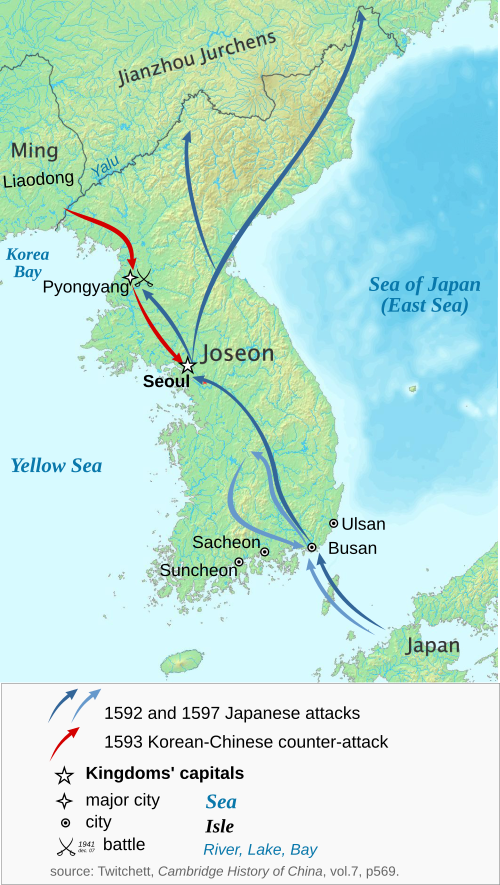
Between 1592 and 1598, the Korean Peninsula became the stage for one of the most significant regional conflicts in history: the Imjin War. This series of invasions by the Toyotomi government of Japan fundamentally challenged the existing political and military order in East Asia, involving the massive mobilization of forces from Japan, Joseon Korea, and Ming China.
The conflict is characterized by two distinct phases. The first, known as the "Japanese Disturbance of Imjin," began in 1592. Following a brief period of truce, a second invasion, the "Second War of Jeong-yu," commenced in 1597. The war finally concluded in late 1598 with the withdrawal of Japanese forces following a military stalemate in Korea's southern provinces.
Key Facts
- Duration: 6 years, 6 months, 3 weeks, and 2 days (May 23, 1592 – December 16, 1598).
- Belligerents: Joseon Korea and Ming China vs. the Toyotomi government of Japan.
- Outcome: Victory for Joseon and Ming; status quo ante bellum (territorial boundaries returned to their original state).
- Casualties: Over 1,000,000 civilian and military deaths in Korea; over 100,000 Japanese soldiers and sailors killed, captured, or missing.
- Historical Significance: One of the first regional wars involving massed armies equipped with modern firearms.
The First Invasion (1592–1593)
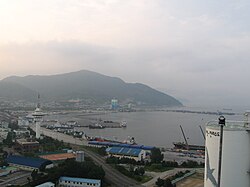
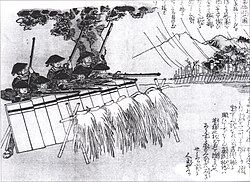
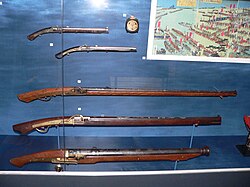
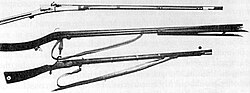
The initial Japanese offensive was characterized by rapid movement and the effective use of arquebuses—early portable firearms. Japanese forces, including specialized units of arquebusiers, pushed deep into the Korean Peninsula, capturing key locations such as Busan and eventually the capital, Hanseong.
Land Warfare and the Fall of Pyongyang
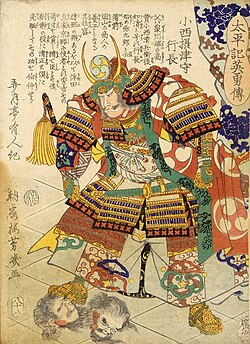
The Japanese land forces achieved significant early successes. At the Battle of Chungju, Japanese arquebus tactics proved devastating against Korean cavalry. As the invasion progressed northward, Japanese divisions under commanders like Konishi Yukinaga and Kuroda Nagamasa captured several cities, eventually reaching Pyongyang. The defense of Pyongyang by 10,000 Korean troops was ultimately overcome by 30,000 advancing Japanese soldiers.
Naval Resistance and Admiral Yi Sun-sin
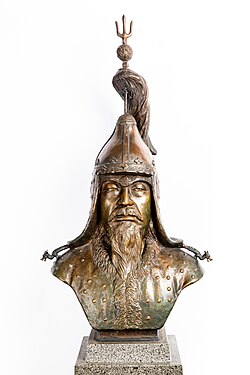
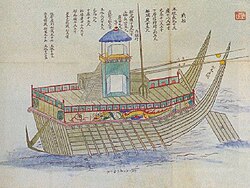
While the land campaign saw rapid Japanese advances, the Korean navy provided a critical counterbalance. Under the leadership of Admiral Yi Sun-sin, the Korean fleet engaged Japanese forces in several decisive encounters. One notable moment occurred in September 1592, when a Korean surprise attack at Busan resulted in the loss of 100 Japanese ships.
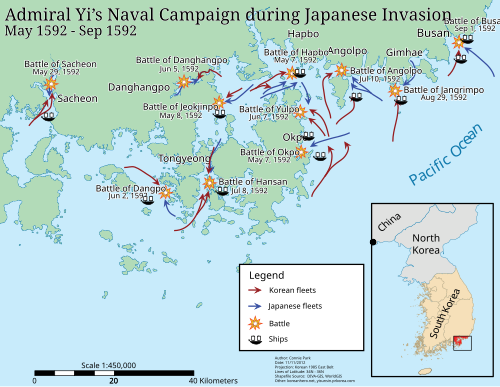
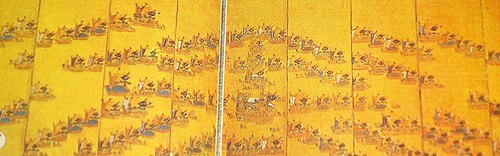
The Korean navy utilized advanced naval technology and tactical formations, such as the "crane wing" formation, to secure victories at battles like Hansando. These naval successes helped disrupt Japanese supply lines and provided essential support to the Joseon and Ming forces.
![A turtle ship replica at the War Memorial in Seoul. The historical existence of the ironclad roof is disputed.[184][185][186]](/images/c7/13/c7136b720639c64209f5aa7430c4632f1985ace757a203c37cd1acc8848a5ae1.jpg)
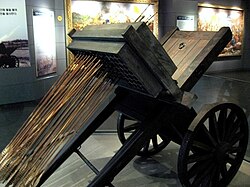
Military Technology: Firearms and Artillery
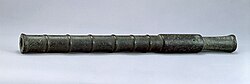
The Imjin War was a landmark conflict for the deployment of gunpowder weapons. The Japanese relied heavily on the arquebus, which allowed for disciplined volley fire. Conversely, the Joseon and Ming forces utilized various forms of artillery and hand cannons to defend fortifications and engage enemy troops.
The Second Invasion and the Chŏngyu War (1597–1598)
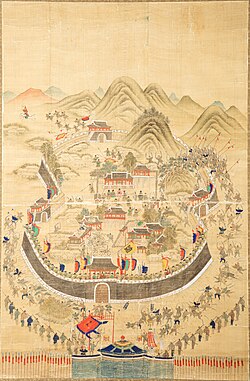
After a period of negotiations and a truce, Japan launched a second invasion in 1597. This phase saw intense fighting in the southern provinces. Despite significant Japanese efforts, including the defense of Ulsan Castle by Katō Kiyomasa, the allied Joseon and Ming forces maintained pressure on the invaders.
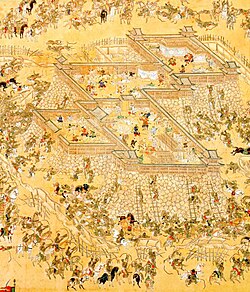
The war reached its final stages following the death of Toyotomi Hideyoshi. The conflict concluded with the Battle of Noryang, after which Japanese forces withdrew from the peninsula.
War Statistics Summary
| Category | Joseon & Ming Forces | Japanese Forces |
|---|---|---|
| Total Troop Strength | Joseon: ~192,000; Ming: ~166,700 | Approximately 300,000 |
| Naval Strength | 300 ships | Up to 1,000 ships (2nd invasion) |
| Casualties (Military/Civilian) | 1,000,000+ deaths | 100,000+ killed, captured, or missing |
| Ship Losses | 157 ships | 450 ships |
Frequently Asked Questions
What caused the Imjin War?
The war was triggered by the Japanese invasions of Korea, led by the Toyotomi government, seeking to expand its influence and territory into the Korean Peninsula.
Who were the primary leaders of the conflict?
Key leaders included King Seonjo and Admiral Yi Sun-sin for Joseon Korea; Li Rusong and Chen Lin for Ming China; and Toyotomi Hideyoshi, Konishi Yukinaga, and Katō Kiyomasa for Japan.
How did the war affect the regional power balance?
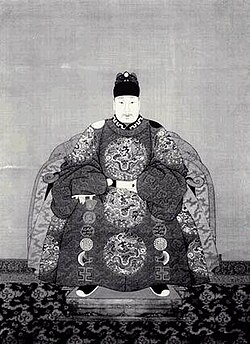
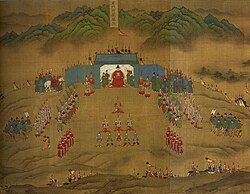
The war challenged Ming China's status as the supreme military power in East Asia and affirmed China's commitment to protecting its tributary states. It was a significant test of the existing Chinese world order.
What was the role of the Ming Dynasty?
Ming China intervened to support Joseon Korea, providing significant military reinforcements that helped turn the tide of the war and eventually contributed to the Japanese withdrawal.
What was the significance of the Korean Navy?
The Korean Navy, led by Admiral Yi Sun-sin, played a vital role in disrupting Japanese supply lines and securing naval victories that were essential to the eventual allied success.
How did the war end?
The war ended in 1598 following a military stalemate in the southern provinces and the death of Toyotomi Hideyoshi, leading to the full withdrawal of Japanese forces from Korea.