Wilhelm I: The Architect of a United German Empire
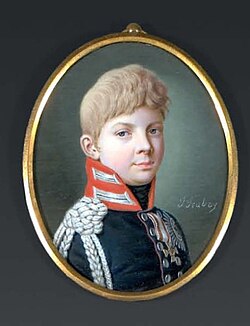
Wilhelm I (born Wilhelm Friedrich Ludwig) stands as one of the most pivotal figures in European history, serving as the King of Prussia and the first German Emperor. A member of the prestigious House of Hohenzollern, he presided over the transformation of a collection of independent states into a unified German Empire, fundamentally altering the geopolitical landscape of the 19th century.
Though he eventually held the title of Kaiser (Emperor), Wilhelm's path to power was not immediate. As the second son of King Frederick William III and Louise of Mecklenburg-Strelitz, he was not originally expected to inherit the throne. However, through a combination of military distinction and familial circumstance, he rose to become the symbol of a new, unified Germany.
Key Facts
- Full Name: Wilhelm Friedrich Ludwig
- Reign as King of Prussia: 2 January 1861 – 9 March 1888
- Reign as German Emperor: 18 January 1871 – 9 March 1888
- Key Partner: Chancellor Otto von Bismarck
- Dynasty: House of Hohenzollern
- Death: 9 March 1888, at the age of 90
Early Life and Military Foundation
Born on 22 March 1797 at the Kronprinzenpalais in Berlin, Wilhelm was educated by Johann Friedrich Gottlieb Delbrück. His life was defined early on by military service; his father appointed him an officer in the Prussian army at the age of twelve. He fought with distinction during the War of the Sixth Coalition, establishing a lifelong commitment to the military.
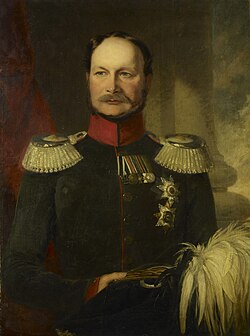
Throughout the early 19th century, Wilhelm climbed the ranks, becoming a Generalfeldmarschall (General Field Marshal). He served as a vocal advocate for a strong, well-equipped army, holding various commands including the 1st Guards Regiment and the Fortress Mainz. His military experience provided the foundational discipline and strategic mindset he would later apply as a sovereign.
Personal Life and Family
In 1829, Wilhelm married Princess Augusta of Saxe-Weimar-Eisenach. While their marriage was outwardly stable, it was noted for lacking deep happiness. Together, they had two children: Frederick III, who would briefly succeed him as Emperor, and Princess Louise, who became the Grand Duchess of Baden. To accommodate his family, Wilhelm commissioned the construction of the Old Palace in Berlin between 1834 and 1837.
Ascension to the Prussian Throne
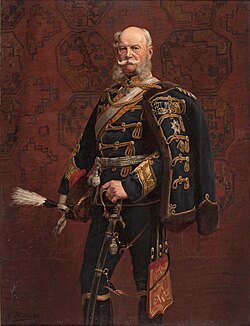
Wilhelm's path to the throne was indirect. After his childless elder brother, Frederick William IV, became king in 1840, Wilhelm became the heir presumptive. He played a significant role in suppressing the Revolutions of 1848, an event that briefly forced him into exile in England. When his brother suffered a stroke in 1857, Wilhelm served as Prince Regent from 1858 until he officially ascended the throne on 2 January 1861.
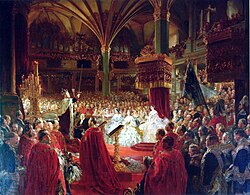
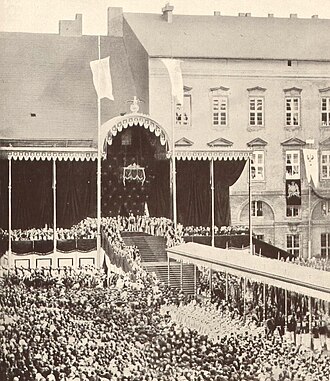
His coronation took place on 18 October 1861 at Königsberg Castle, marking the first Prussian coronation since 1701. This event was deeply symbolic, occurring on the anniversary of the Battle of Leipzig.
The Unification of Germany
Upon becoming king, Wilhelm immediately clashed with the liberal Landtag (the Prussian parliament) over military spending. To resolve this deadlock, he appointed Otto von Bismarck as Minister President. This partnership became the engine of German unification.
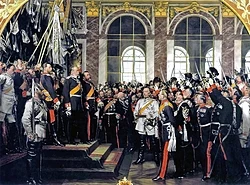
Under Wilhelm's sovereignty and Bismarck's strategic guidance, Prussia secured victories in the Second Schleswig War and the Austro-Prussian War, cementing Prussia's dominance over the German states. The process culminated in the Franco-Prussian War, leading to the proclamation of the German Empire on 18 January 1871. Wilhelm was proclaimed German Emperor in the Hall of Mirrors at Versailles.
Governance and the Role of the Kaiser
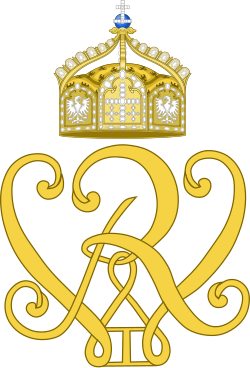
While Wilhelm held immense formal power as Kaiser, he largely deferred the day-to-day governance and diplomatic maneuvering to Bismarck. This arrangement allowed the empire to stabilize and grow, though it also concentrated significant power in the hands of the Chancellor.
Challenges, Later Years, and Legacy
Wilhelm's later years were marked by political tension and personal danger. He was the target of several failed assassination attempts. These events were utilized by Bismarck to justify the passage of the Anti-Socialist Laws, aimed at suppressing socialist movements within the empire.
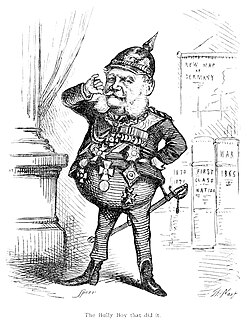
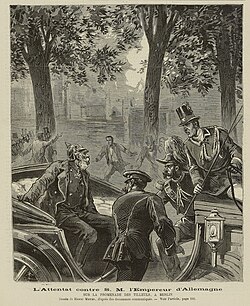
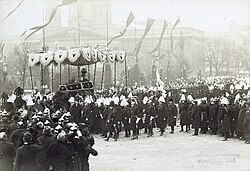
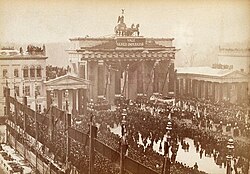
Despite the political turmoil, Wilhelm and Augusta became popular figures in their old age, viewed as the personification of "the old Prussia" due to their austere and simple lifestyle. Wilhelm died on 9 March 1888, at the age of 90, following a short illness.
His death triggered the "Year of the Three Emperors." He was succeeded by his son Frederick III, who died of throat cancer only 99 days later, and subsequently by his grandson, Wilhelm II.
Summary of Reign and Titles
| Title | Start Date | End Date | Key Associate |
|---|---|---|---|
| Prince Regent of Prussia | 1858 | 1861 | Frederick William IV |
| King of Prussia | 2 January 1861 | 9 March 1888 | Otto von Bismarck |
| German Emperor | 18 January 1871 | 9 March 1888 | Otto von Bismarck |
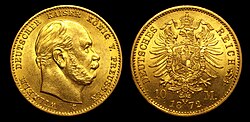
Frequently Asked Questions
Who was the first head of a united Germany?
Wilhelm I was the first head of state of a united Germany, serving as the German Emperor from 1871 until his death in 1888.
What was the relationship between Wilhelm I and Otto von Bismarck?
Wilhelm I appointed Bismarck as Minister President to help push through military budgets. This evolved into a lifelong partnership where Wilhelm provided the sovereign authority and Bismarck managed the political and diplomatic strategies for unification.
What is the "Year of the Three Emperors"?
The Year of the Three Emperors refers to 1888, the year in which Wilhelm I died, followed shortly by his son Frederick III (who reigned for only 99 days), and finally his grandson Wilhelm II.
How did Wilhelm I contribute to the military?
Wilhelm I had a lifelong military career, reaching the rank of Generalfeldmarschall. He fought in the War of the Sixth Coalition and advocated for a modernized, well-equipped Prussian Army throughout his life.
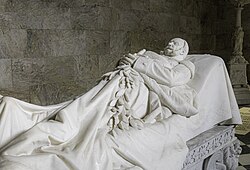
Where is Wilhelm I buried?
He is buried in the Royal Mausoleum at Park Charlottenburg in Berlin, beside his mother, Queen Luise.