Wild Bactrian Camels: Fighting for Survival in the Gobi Desert
The wild Bactrian camel is one of the most unique and threatened large mammals on Earth. Inhabiting the harsh landscapes of Central Asia, these resilient creatures are distinct from their domestic cousins, facing a precarious battle against extinction. Once widespread, their populations have dwindled, making them a primary focus for international conservation efforts.
The London Zoological Society identifies the wild Bactrian as the eighth most endangered large mammal globally. Because of its unique genetic lineage, the Evolutionarily Distinct and Globally Endangered (EDGE) project named it one of its top ten focal species in 2007, prioritizing it for urgent protection to prevent the loss of a biologically distinct lineage.
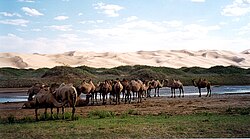
Key Facts
- Current Status: Downgraded from Critically Endangered to Endangered by the IUCN in 2025.
- Estimated Population: Approximately 950 individuals remaining.
- Primary Range: Gobi Desert regions of Mongolia and China.
- Major Threats: Poaching, habitat loss, and hybridization with domestic camels.
- Key Protectors: Wild Camel Protection Foundation (WCPF), IUCN, and the governments of China and Mongolia.
Conservation Status and Population Trends
The journey of the wild Bactrian camel's classification reflects its volatile survival status. Deemed "critical" in the 1960s, the species was officially listed as critically endangered by the International Union for Conservation of Nature and Natural Resources (IUCN) in 2002. While the IUCN downgraded the status to Endangered in 2025, the population trend continues to decrease.
Data from the Wild Camel Protection Foundation (WCPF) suggests a grim outlook; field expeditions led by John Hare since 1993 indicate that surviving populations could face an 80% decline within the next 30 years if current trends persist.
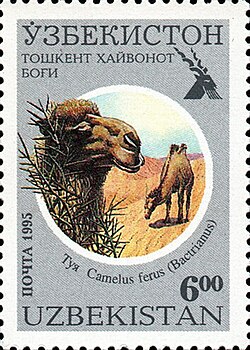
Threats to Survival
The wild Bactrian camel faces a complex array of anthropogenic and natural pressures. Human encroachment is a primary driver of decline, with illegal poaching claiming 20 to 30 camels annually in the Lop Nur Reserve and another 25 to 30 in the Gobi Reserve Area. Some hunters employ brutal methods, such as placing land mines at salt water springs where camels gather to drink.
Environmental and Biological Pressures
Beyond poaching, the species struggles with several critical challenges:
- Habitat Degradation: The re-designation of wildlife areas into industrial zones and the release of toxic effluent from illegal mining contaminate their environment.
- Resource Competition: Increasing human populations lead to domestic livestock competing with wild camels for scarce food and water at oases.
- Hybridization: Breeding with domestic Bactrian camels threatens the genetic purity of the species, potentially creating infertile individuals or reducing the number of viable bulls.
- Predation: Wolves are the only regular predators. As conditions become drier, wolves more frequently target weakened camels at oases.
Conservation Initiatives
To prevent the species from becoming Extinct in the Wild, the governments of China and Mongolia have implemented ecosystem-based management. This includes the establishment of protected areas such as the Great Gobi Reserve A in Mongolia (1982) and the Lop Nur Wild Camel National Nature Reserve in China (2000).
Captive Breeding and Range Expansion
The WCPF has focused on captive breeding to boost population numbers, as females in captivity may calve twice every two years—a rate higher than in the wild. The Zakhyn-Us Sanctuary in Mongolia, established in 2003, has successfully bred non-hybridized herds, resulting in several viable calves.
There were also discussions regarding the introduction of wild Bactrian camels to Pleistocene Park in Northern Siberia to serve as a proxy for extinct Pleistocene species. While this would have expanded their geographic range and provided a safety margin, domesticated Bactrian camels were introduced to the park in 2021 instead.
Summary of Wild Bactrian Camel Status
| Category | Details |
|---|---|
| IUCN Status (2025) | Endangered |
| Estimated Population | ~950 individuals |
| Key Reserves | Great Gobi Reserve A (Mongolia), Lop Nur (China) |
| Primary Breeding Site | Zakhyn-Us Sanctuary (Mongolia) |
| Major Predators | Wolves |
Frequently Asked Questions
Why is the wild Bactrian camel considered evolutionarily distinct?
The wild Bactrian camel is genetically separate from domestic Bactrian camels, making it a unique lineage. This distinction led the EDGE project to identify it as a focal species for conservation to prevent the loss of its unique genetic makeup.
How does hybridization affect the species?
Hybridization occurs when wild camels breed with domestic ones. This can lead to a loss of genetically distinct populations and the production of infertile offspring, which may reduce the number of viable bulls available to mate with females.
What are the main causes of death for these camels in the wild?
The primary causes include illegal poaching (often via land mines at water sources), predation by wolves—especially on weaker individuals—and conflicts with farmers who may shoot them due to competition for grazing land.
Is captive breeding successful for this species?
Yes, the Zakhyn-Us Sanctuary in Mongolia has seen success in breeding non-hybridized herds, producing several viable calves and providing a safeguard against total extinction.
Why was the IUCN status changed in 2025?
As of 2025, the IUCN downgraded the species from Critically Endangered to Endangered, although this change occurred despite a continuing decrease in the overall population.