Whippomorph Ecology: Comparing Cetaceans and Hippopotamuses
The group known as whippomorphs encompasses two distinct yet biologically related lineages: the cetaceans (whales and dolphins) and the hippopotamuses. While one has fully embraced the depths of the global oceans and the other remains tied to the freshwater systems of Africa, they share fundamental biological traits as placental mammals. By examining their distribution, behavior, and reproduction, we can see how these animals have adapted to their respective environments.
Global Distribution and Habitats
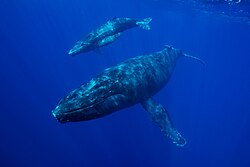
Modern cetaceans are found in nearly every marine habitat on Earth. Some species, such as the blue whale and the humpback whale, possess vast migratory ranges that span almost the entire ocean. These whales typically follow seasonal patterns, traveling to warmer waters to give birth and raise their young before returning to cooler, nutrient-rich waters for feeding.
Other cetaceans maintain smaller ranges focused on tropical or subtropical waters, while some are highly specialized. For example, the narwhal is found exclusively within the Arctic Ocean.
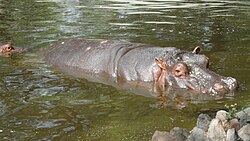
In contrast, modern hippopotamuses are primarily confined to the African continent, though they have an introduced range in South America. While they were once widespread across Asia, Europe, and Africa, they are now classified as vulnerable and are limited to the wetlands, rivers, and lakes of southern Africa.
Behavioral Adaptations
Because both whales and hippos are mammals, they must surface to breathe air, which presents a challenge during sleep. Cetaceans have evolved unihemispheric sleep, a process where they rest one side of the brain at a time. This allows them to continue swimming and surfacing for air while partially asleep.
Hippopotamuses surface to breathe every three to five minutes. This process is partially subconscious, enabling them to maintain respiration even while sleeping.
Interestingly, both groups engage in symbiotic relationships with smaller fish. These fish act as "cleaning stations," feeding on parasites inside the mouths of the larger animals, providing a benefit to both species.
Dietary Differences
The dietary habits of these two groups are starkly different. Hippos are primarily herbivores, spending up to five hours a day grazing on short grasses. While they occasionally consume aquatic vegetation, they typically feed on land. However, some hippos have been observed consuming animal matter, including zebra and other hippo carcasses.
Cetaceans, conversely, are all carnivores. Their diet consists of fish and marine invertebrates, though some species prey on larger animals such as penguins and seals (pinnipeds).
Reproduction and Development
All whippomorphs are placental mammals, meaning the embryo is nourished via a placenta that draws nutrients from the mother. They are also k-selected organisms, a biological strategy characterized by producing a small number of offspring but investing heavily in them to ensure a high survival rate.
The reproductive cycles differ by species:
- Hippopotamuses: Reach sexual maturity at six years with a gestation period of about eight months. Mating and birthing occur underwater; consequently, calves must swim to the surface for their first breath. Calves suckle on land.
- Cetaceans: Generally reach sexual maturity around 10 years with a gestation period of approximately 12 months. They give birth to well-developed calves. Because they lack lips, mothers splash milk into the calf's mouth during suckling.
Key Facts
- Sleep: Cetaceans use unihemispheric sleep to breathe while resting; hippos breathe subconsciously every 3-5 minutes.
- Diet: Hippos are mostly herbivorous grazers; cetaceans are strictly carnivorous.
- Reproduction: Both are k-selected placental mammals with high offspring survival rates.
- Range: Cetaceans are global; hippos are primarily limited to southern Africa.
- Symbiosis: Both utilize small fish as cleaning stations to remove parasites.
| Feature | Cetaceans | Hippopotamuses |
|---|---|---|
| Diet | Carnivore | Primarily Herbivore |
| Habitat | Global Marine | African Freshwater/Wetlands |
| Sexual Maturity | ~10 Years | 6 Years |
| Gestation Period | ~12 Months | ~8 Months |
| Sleep Method | Unihemispheric | Subconscious surfacing |
Frequently Asked Questions
How do whales sleep without drowning?
Whales utilize unihemispheric sleep, which allows them to shut down one half of their brain at a time. This ensures they remain conscious enough to swim to the surface and breathe.
What is a k-selected organism?
A k-selected organism is one that produces a limited number of offspring but provides significant parental care, resulting in a higher probability of survival for each individual offspring.
Do hippopotamuses only eat grass?
While their diet consists primarily of short grasses grazed on land, they occasionally eat aquatic vegetation and have been observed consuming carcasses of zebras and other hippos.
How do cetacean calves drink milk if they have no lips?
Because they lack lips, the mother cetacean splashes the milk directly into the calf's mouth.
Where are hippopotamuses found today?
They are primarily limited to the lakes, rivers, and wetlands of southern Africa, though they have been introduced to parts of South America.