Western Australia: A Comprehensive Overview of the Golden State
Western Australia (WA) is the westernmost state of Australia, a vast and diverse territory that stands as the largest state in the nation. Spanning 2,527,013 square kilometers, it is the second-largest subdivision of any country on Earth. Bounded by the Indian Ocean to the north and west and the Southern Ocean to the south, this expansive region is known by several nicknames, including The Golden State, The Wildflower State, and The State of Excitement.
![Map first drawn in 1618 by Hessel Gerritsz, 12 years after Europeans first encountered the Australian mainland,[9] showing the charted coast of Australia. Chartings after 1618, for example by François Thijssen in 1627, were added to the engraved plate between 1628 and 1632.[10]](/images/fb/04/fb04edbf4314d8dfeb7131004a7727d85ce3bb73a0c773f8dd19c4c4eb9f8050.jpg)
The history of the region's mapping dates back centuries. Early European encounters led to the charting of the coast, with significant maps appearing as early as 1618. Over time, these charts were updated to reflect more accurate coastal outlines as exploration continued through the 17th century.
![Melchisédech Thévenot's Hollandia Nova—Terre Australe in his travel anthology (French: Relations de divers voyages curieux) published in 1664,[13] and which seems to be a copy of Archipelagus Orientalis sive Asiaticus by Joan Blaeu in the Atlas of the Great Elector (German: Atlas des Großen Kurfürsten) from 1659.[14] The latitude staff depicted by Thévenot falls along the Zaragoza antimeridian from the Treaty of Zaragoza of 1529 between Castile and Portugal, and which complemented the Tordesillas meridian from the Treaty of Tordesillas of 1494.](/images/00/af/00afd84ff5ea9da530e19b9c6f583fab67e4a29d5eb750e1b1c3266955febac7.png)
Key Facts
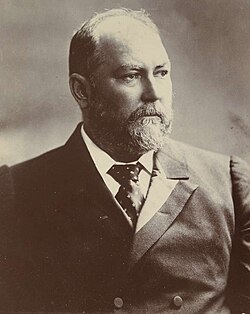
- Capital City: Perth
- Total Area: 2,527,013 km²
- Population: Approximately 3,008,700 (2024 estimate)
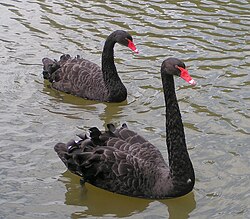
- State Bird: Black swan (Cygnus atratus)
- State Flower: Red and green kangaroo paw (Anigozanthos manglesii)
- Highest Point: Mount Meharry (1,249 m)
Geography and Climate
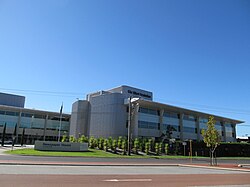
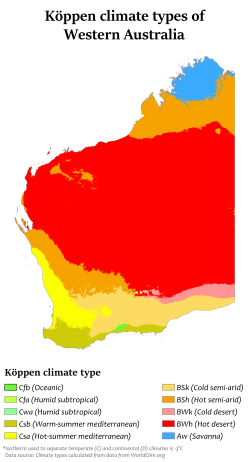
Western Australia's geography is characterized by its immense scale and varied landscapes. From the coastal reaches to the rugged interior, the state offers a wide range of environments. The climate varies significantly across the region, with temperatures capable of reaching extreme highs and lows.
In the summer months, temperatures can soar, with record highs exceeding 50°C (123.3°F). Conversely, winter temperatures can drop below freezing, with record lows reaching -7.2°C (19.0°F). This climatic diversity supports a wide array of ecosystems and flora and fauna.
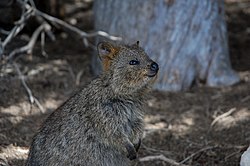
The state's unique biodiversity is a major draw for nature enthusiasts. Notable fauna includes the numbat (a small marsupial) and the whale shark, which is the state's official fish. On Rottnest Island, visitors can encounter the famous quokka.
The state's avian life is represented by the black swan, which serves as the official state bird.
History and Government
The modern history of Western Australia began with the establishment of the Swan River Colony on May 2, 1829. The region transitioned to a colony and eventually joined the federation of Australia on January 1, 1901. The state was granted responsible government in 1890.
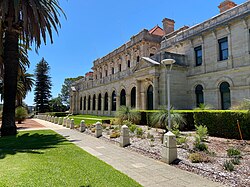
Today, Western Australia operates as a federated parliamentary constitutional monarchy. The government is led by a Premier and a bicameral Parliament consisting of the Legislative Assembly (the lower house) and the Legislative Council (the upper house). The current Premier is Roger Cook.
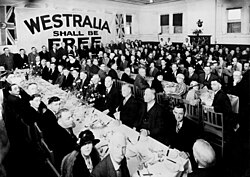
The state's political history also includes notable moments of civic engagement, such as the 1933 meetings regarding secession.
Economy and Resources
Western Australia possesses a powerful economy, driven significantly by its vast natural resources. The state's Gross State Product (GSP) is among the highest in Australia, with a particularly high GSP per capita. The economy is heavily influenced by the mining and petroleum sectors, particularly in regions like the Pilbara.
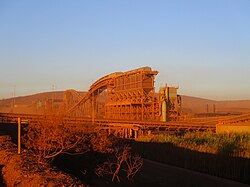
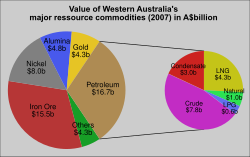
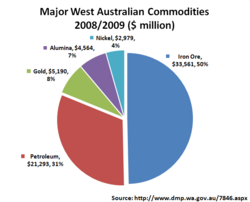
The resource commodity mix is a cornerstone of the state's wealth, with iron ore and other minerals playing central roles in the industrial landscape.
Demographics and Culture
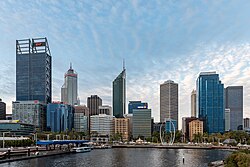
The population of Western Australia is concentrated heavily in the metropolitan area of Perth, which is home to more than 80% of the state's residents.
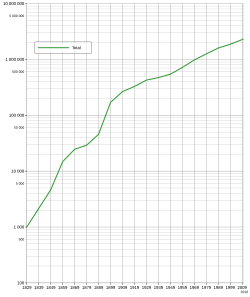
The state's population has seen significant shifts over the decades, as reflected in historical growth data. The demographic makeup is diverse, with many residents tracing their ancestry to England, Australia, Ireland, Scotland, and Italy, alongside significant populations from India, China, and the Philippines.
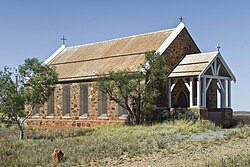
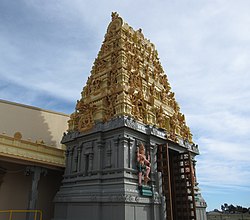
Cultural life in WA is rich, spanning various religious traditions, arts, and sporting events. Major landmarks include historical churches and significant religious sites like the Perth Shiva Temple.
The arts are supported through institutions such as the WA Museum Boola Bardip and the Art Gallery of Western Australia. Education is also a vital component of the state's social fabric, with institutions like the University of Western Australia serving the community.
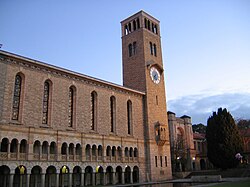
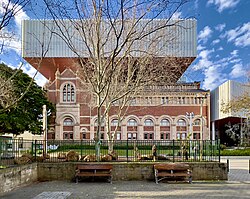
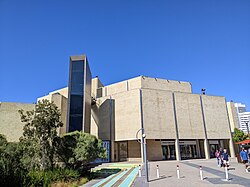
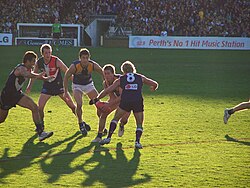
Sporting culture is highly active, with intense local rivalries such as the Western Derby, played between the West Coast Eagles and the Fremantle Dockers.
Tourism and Regional Highlights
From the wine regions to the coastal adventures, Western Australia offers diverse tourism opportunities. The Margaret River region is globally recognized for its premium wine production.
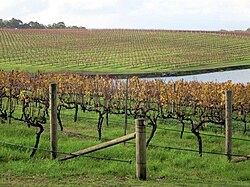
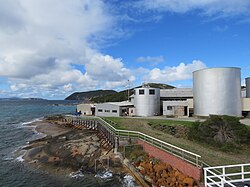
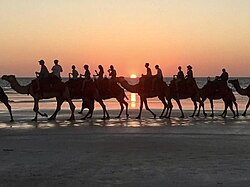
For those seeking adventure, activities like camel rides at Cable Beach in Broome or visiting historic sites like the Albany Historic Whaling Station provide unique experiences.
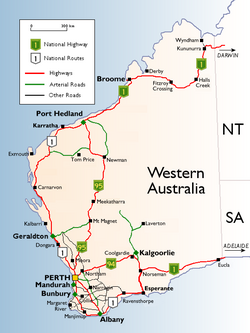
The state's infrastructure, including its extensive road networks and urban settlements, facilitates travel across its massive landmass.
| Category | Details |
|---|---|
| Capital | Perth |
| Land Area | 2,527,013 km² |
| Primary Industry | Mining and Resources |
| State Bird | Black Swan |
| Time Zone | UTC+08:00 (AWST) |
Frequently Asked Questions
What is the largest state in Australia?
Western Australia is the largest state in Australia by land area.
Where is the majority of Western Australia's population located?
More than 80% of the state's population lives in the metropolitan area of Perth.
What are the main industries in Western Australia?
The economy is heavily driven by mining, petroleum, and resource commodities.
What is the official state bird of Western Australia?
The black swan (Cygnus atratus) is the official state bird.
How many people live in Western Australia?
As of the December 2024 estimate, the population is approximately 3,008,700.