Victoria: A Comprehensive Overview of Australia's Garden State
Known affectionately as The Garden State and The Education State, Victoria is a vibrant and diverse state located in southeastern Australia. From its bustling metropolitan hub of Melbourne to its rugged alpine regions and scenic coastlines, Victoria offers a unique blend of historical significance, economic strength, and natural beauty. Governed as a federated parliamentary constitutional monarchy, the state operates under the motto "Peace and Prosperity," reflecting its foundational values.
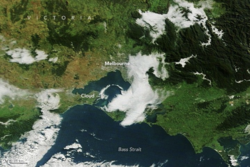
Key Facts
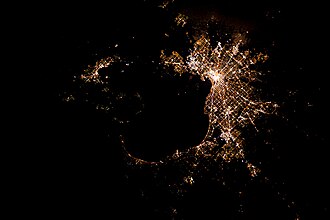
- Capital City: Melbourne
- State Motto: "Peace and Prosperity"
- Nicknames: The Garden State, The Education State
- Highest Point: Mount Bogong (1,986 m)
- Population: Approximately 7,074,468 (June 2025 estimate)
- State Symbols: Helmeted honeyeater (bird), Weedy seadragon (fish), Common heath (flower), and Leadbeater's possum (mammal)
Geography and Climate
Victoria encompasses a land area of 227,444 km². The landscape is incredibly varied, ranging from the high country of the Victorian Alpine Region to the famous coastline of the Great Ocean Road. The state is defined by numerous river systems, including the Yarra, Goulburn, Loddon, and Murray rivers, which play vital roles in the local ecology and agriculture.
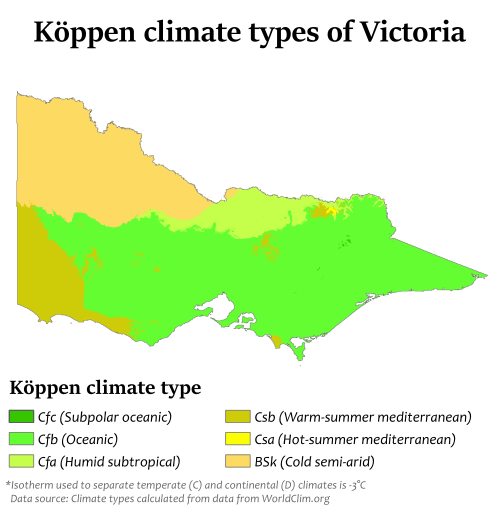
The climate varies significantly across the state. While Melbourne experiences temperate conditions, regions like Mildura can reach much higher temperatures. For instance, January averages around 25.8°C in Melbourne, whereas Mildura averages 32.8°C. The state has seen extreme weather events, with record highs reaching 48.9°C.
Regional Diversity
Victoria is divided into several distinct regions, including Gippsland, the Grampians, the Mallee, and the Wimmera. Each region contributes uniquely to the state's character, whether through tourism, agriculture, or industry.
Demographics and Society
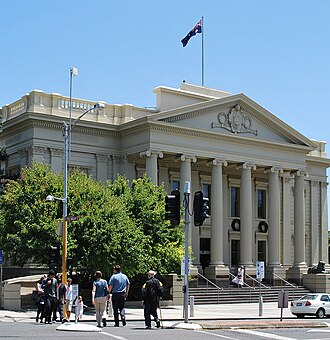
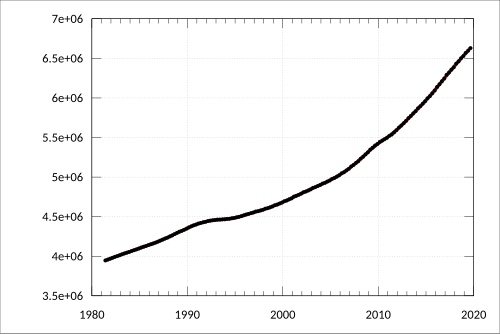
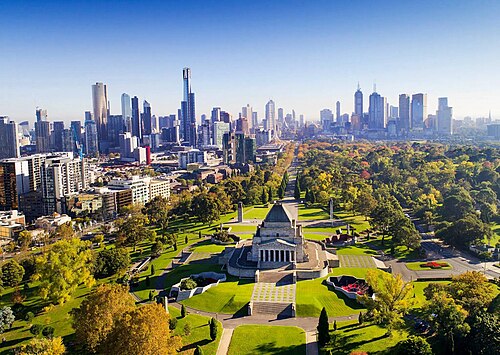
Victoria is home to a large and growing population, with a June 2025 estimate of over 7 million residents. The state is highly urbanized, with Melbourne serving as the primary center, housing more than three in four Victorians.
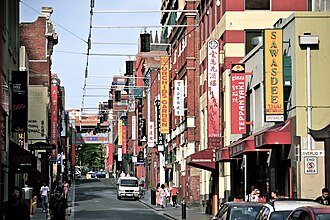
The population is characterized by significant cultural diversity. According to the 2016 census, common ancestries include English (32%), Australian (29.9%), and Irish (10.8%). The state also maintains strong ties to international communities, with significant populations of Chinese, Indian, and Vietnamese descent.
Education and Culture
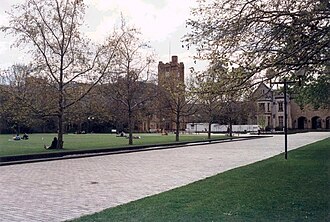
As "The Education State," Victoria boasts world-class institutions. The University of Melbourne is the state's oldest, while Deakin University is recognized for high student satisfaction. Cultural life is enriched by landmarks such as the State Library of Victoria, which is one of the most visited public libraries globally.
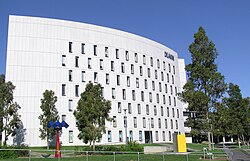
![The State Library of Victoria is the fourth most visited public library in the world.[68][69]](/images/c9/58/c9582bcc9602a95beb0365fcbd1ceb9f208f31eb8a43bdad049be4a8a8d648d0.jpg)
Economy and Infrastructure
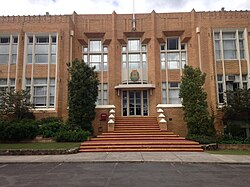
Victoria possesses a robust economy with a 2020 GSP estimate of AU$458.895 billion. The economic landscape is driven by several key sectors:
- Health Care and Social Services: The largest employer, accounting for 12.8% of GSP.
- Finance and Insurance: Contributing 12.8% to the GSP.
- Manufacturing and Professional Services: Significant contributors to both employment and economic output.
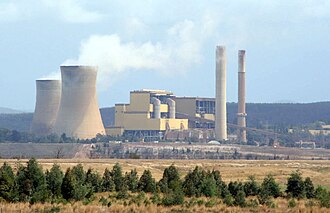
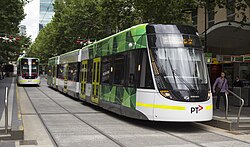
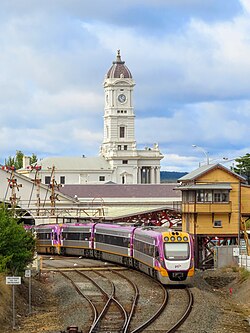
The state's infrastructure supports a high standard of living, featuring an extensive public transport network including Melbourne's iconic tram system and V/Line regional trains.
History and Governance
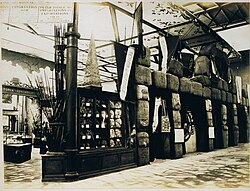
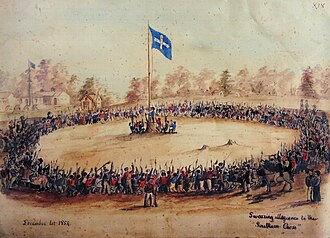
Victoria's modern history is closely tied to its separation from New South Wales on 1 July 1851 and its subsequent federation into Australia in 1901. The state was named in honor of Queen Victoria. The history of the region is also deeply rooted in the heritage of its Indigenous peoples.
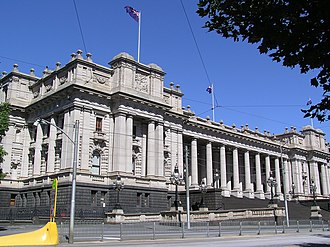
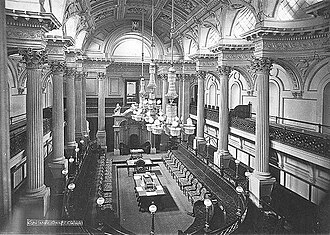
The political structure is a federated parliamentary constitutional monarchy. The Parliament of Victoria consists of two houses: the Legislative Council (Upper House) and the Legislative Assembly (Lower House). The state is currently governed under the leadership of the Premier and the Governor.
Summary of Victoria at a Glance
| Category | Details |
|---|---|
| Capital | Melbourne |
| Land Area | 227,444 km² |
| Highest Elevation | 1,986 m (Mount Bogong) |
| Primary Economic Drivers | Health Care, Finance, Manufacturing, Education |
| Time Zone | AEST (UTC+10) / AEDT (UTC+11) |
Frequently Asked Questions
What are the main nicknames for Victoria?
Victoria is commonly referred to as both "The Garden State" and "The Education State."
What is the largest city in Victoria?
Melbourne is the capital and largest city of Victoria, housing the majority of the state's population.
Which industries drive the Victorian economy?
Key economic sectors include health care, social services, finance, insurance, manufacturing, and professional technical services.
What is the highest point in Victoria?
The highest elevation in the state is found at Mount Bogong, which reaches 1,986 meters.
How diverse is the population of Victoria?
Victoria is highly diverse, with many residents born overseas or having ancestries including English, Irish, Chinese, Indian, and Italian.