Exploring Tasmania: The Apple Isle of Australia
Separated from the Australian mainland, the island state of Tasmania—often affectionately called "Tassie"—is a land of dramatic landscapes, rich history, and unique biodiversity. Known by nicknames such as "The Apple Isle" and "The Holiday Isle," this state offers everything from rugged wilderness to vibrant urban centers.
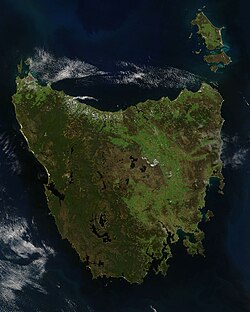
Key Facts
- Capital City: Hobart
- State Motto: Ubertas et Fidelitas (Fertility and Faithfulness)
- Highest Point: Mount Ossa (1,617 m)
- State Animal: Tasmanian Devil
- Total Area: 68,402 km²
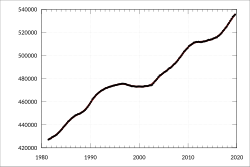
- Population: Approximately 571,165 (2022 estimate)
Geography and Climate
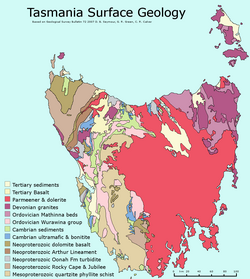
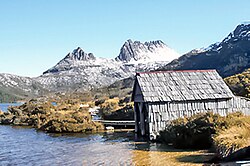
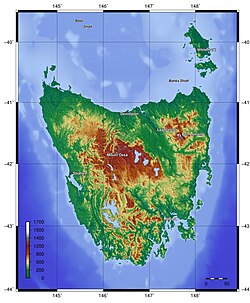
Tasmania is characterized by diverse topography, ranging from coastal plains to high-altitude mountains. The state's physical features are shaped by complex geological processes, including significant deposits of dolerite and intricate mosaics of rock formations in the western regions.
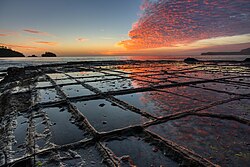
The island's terrain includes impressive landmarks like the tessellated pavement on the Tasman Peninsula, a rare and striking rock formation.
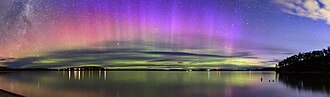
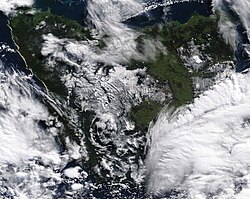
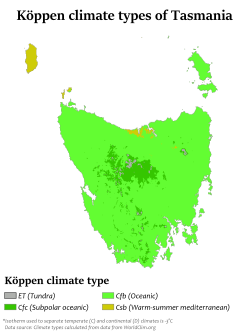
Climate varies significantly across the state. While coastal areas enjoy more temperate conditions, the highlands experience much colder weather and frequent snow. Due to its proximity to the south magnetic pole near Antarctica, residents can occasionally witness the Aurora australis (the Southern Lights).
The following table provides a comparison of mean temperatures and rainfall for major Tasmanian settlements:
| City | Mean Min Temp (°C) | Mean Max Temp (°C) | Annual Rainfall (mm) |
|---|---|---|---|
| Hobart | 8.3 | 16.9 | 616 |
| Launceston | 7.0 | 18.3 | 666 |
| Devonport | 8.0 | 16.8 | 778 |
| Strahan | 7.9 | 16.5 | 1,458 |
History and Heritage
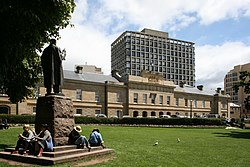
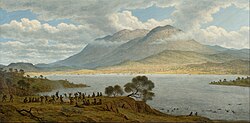
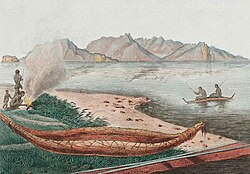
The history of Tasmania is deeply rooted in its Indigenous heritage. The island is known as Lutruwita in some contexts, and many landmarks retain their traditional Palawa or bilingual names, such as Kunanyi (Mount Wellington) and Kanamaluka (Tamar River).

European arrival brought significant changes, including the period of the colony and the subsequent federation of Australia in 1901. The state's history also includes the difficult era of the Black War and the removal of Aboriginal people.
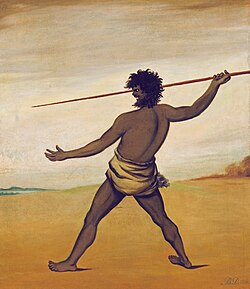
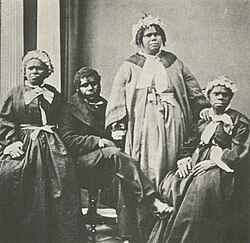
During the colonial era, Tasmania served as a penal colony, a legacy reflected in sites like Port Arthur.

Biodiversity: Flora and Fauna
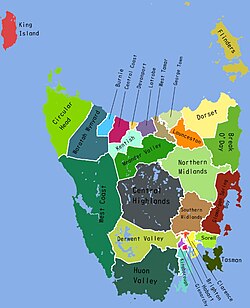
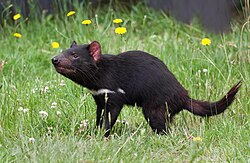
Tasmania is a sanctuary for unique biological life. The state's emblem animal is the Tasmanian devil (*Sarcophilus harrisii*), a carnivorous marsupial. The flora is equally distinctive, featuring the Tasmanian blue gum and the leatherwood plant.
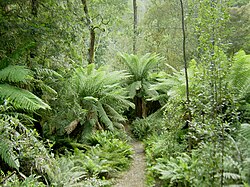
The island's lush environments, such as the ferns found in Hellyer Gorge, showcase its rich botanical diversity.
Economy and Culture
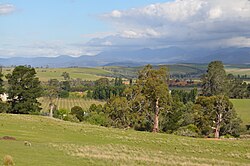
The Tasmanian economy is driven by several key industries, including construction, manufacturing, healthcare, and agriculture. The state is also a significant exporter of seafood, most notably salmon.

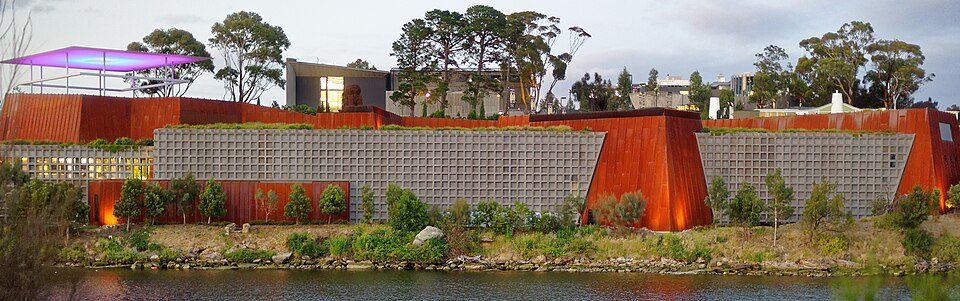
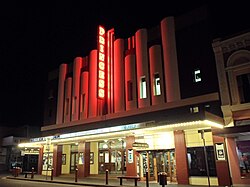
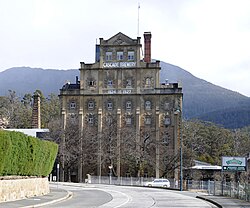
Cultural life in Tasmania is vibrant, spanning from the fine arts at the Museum of Old and New Art (MONA) to traditional performing arts in historic theaters. Literature also plays a role, with authors like Man Booker Prize-winner Richard Flanagan setting works in the state.

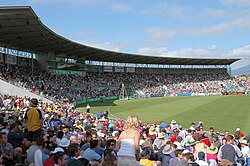
Sporting culture is a major part of community life, with cricket and Australian rules football being the most popular spectator sports.
Infrastructure and Connectivity
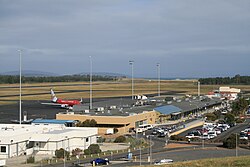
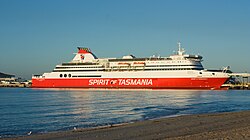
Tasmania is connected to mainland Australia via air and sea. Hobart Airport serves as a primary gateway, while the Spirit of Tasmania ferry provides a vital maritime link between the island and the mainland.
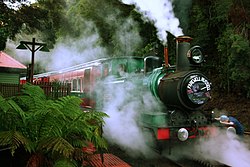
Internal travel is supported by a network of roads and historical rail lines, such as the West Coast Wilderness Railway, which serves as a reminder of the state's industrial past.
Frequently Asked Questions
What is the capital of Tasmania?
The capital and largest city of Tasmania is Hobart.
What is the state animal of Tasmania?
The Tasmanian devil is the official state animal emblem.
How is Tasmania connected to mainland Australia?
Tasmania is linked to the mainland via air travel through airports like Hobart Airport and by sea via the Spirit of Tasmania ferry.
What are the most popular sports in Tasmania?
The two most popular spectator sports in the state are cricket and Australian rules football.
What is the highest point in Tasmania?
The highest elevation in Tasmania is reached at Mount Ossa, standing at 1,617 meters.