W. E. B. Du Bois: The Intellectual Architect of Civil Rights
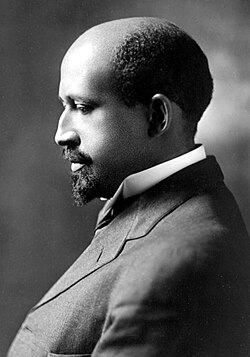
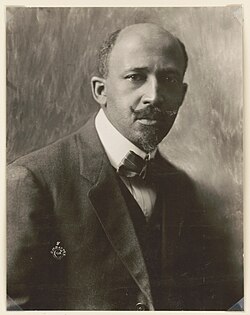
William Edward Burghardt Du Bois was a towering figure of the 20th century—a sociologist, historian, and civil rights activist whose work fundamentally reshaped the discourse on race and equality. From his early academic achievements at Harvard to his later years in Ghana, Du Bois dedicated his life to dismantling the systemic racism of the West and advocating for the global liberation of people of African descent.
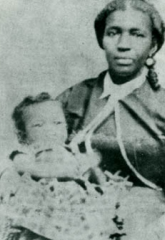
Key Facts
- Academic Pioneer: The first African American to earn a PhD from Harvard University (1895).
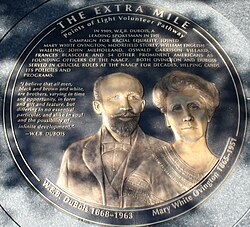
- Founding Influence: A co-founder of the NAACP and the leader of the Niagara Movement.
- Literary Legacy: Author of seminal works including The Souls of Black Folk and Black Reconstruction in America.
- Global Visionary: A leading proponent of Pan-Africanism, the movement to unify people of African descent worldwide.
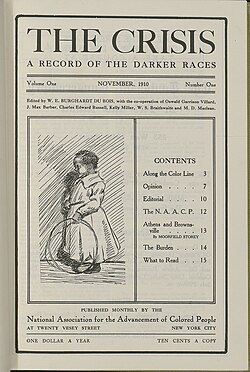
- Journalistic Impact: Served as the editor of The Crisis, the official magazine of the NAACP.
Early Life and Academic Foundations
Du Bois's journey began with a rigorous pursuit of education. After attending Fisk University, he moved on to Harvard University, where he earned his AB, MA, and eventually his PhD. His doctoral dissertation, The Suppression of the African Slave-trade in the United States of America, 1638–1871, established him as a serious scholar of history and sociology.
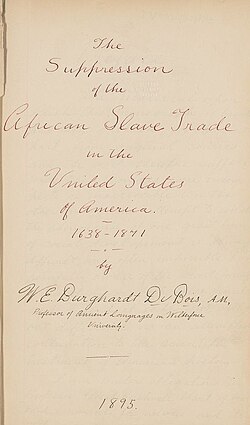
Following his studies, Du Bois taught at Atlanta University, where he conducted groundbreaking sociological research. His early works, such as The Philadelphia Negro (1899), utilized empirical data to analyze the social conditions of Black urban populations, marking a shift toward a scientific approach to studying racial inequality.
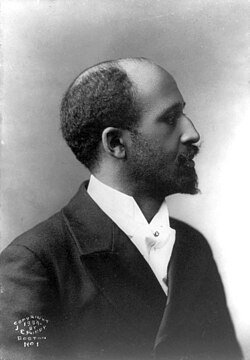
The Fight for Equality: From Niagara to the NAACP
At the turn of the century, Du Bois emerged as a primary critic of the "Atlanta Compromise" proposed by Booker T. Washington. While Washington advocated for vocational training and gradual social acceptance, Du Bois demanded full political and civil rights, as well as higher education for the "Talented Tenth"—the intellectual leadership of the Black community.
In 1905, he helped found the Niagara Movement, a group dedicated to challenging segregation and demanding immediate equality.
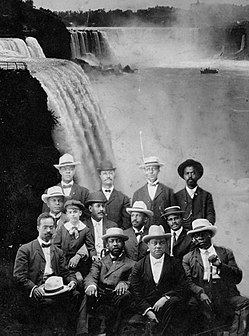
This momentum led to the creation of the NAACP (National Association for the Advancement of Colored People). As the editor of its official publication, The Crisis, Du Bois used the platform to expose the horrors of lynching and racial violence, turning the magazine into a powerful tool for social change.
Combating Racial Violence
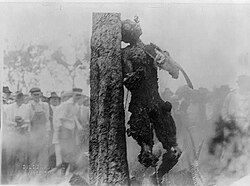
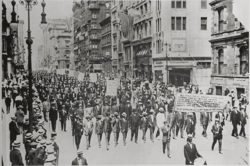
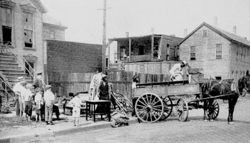
Du Bois was relentless in his documentation of racial atrocities. He highlighted the brutality of lynching, such as the case of Jesse Washington, and organized the 1917 Silent Parade in New York City to protest the East St. Louis riots.
Intellectual Contributions and Global Perspective
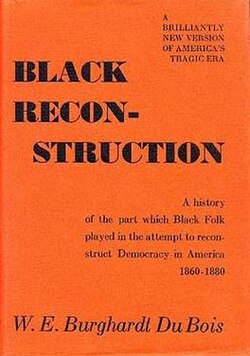
Throughout his career, Du Bois produced a vast body of literature. In The Souls of Black Folk (1903), he introduced the concept of "double consciousness," describing the internal conflict of being both Black and American in a racist society. Later, in Black Reconstruction in America (1935), he challenged prevailing historical narratives by highlighting the agency of Black people during the Reconstruction era.

His vision extended beyond the United States. Du Bois was a central figure in Pan-Africanism, organizing conferences to discuss the independence of African colonies and the rights of the African diaspora. This global outlook eventually led him to embrace socialism and communism as means to end imperialism and racial capitalism.
Later Years, Political Struggle, and Legacy
The latter half of Du Bois's life was marked by increasing tension with the U.S. government. During the Cold War, his peace activism and endorsement of communist figures led to scrutiny by the FBI and the McCarthy-era tribunals. In 1951, he and others from the Peace Information Center faced trial for their political beliefs.
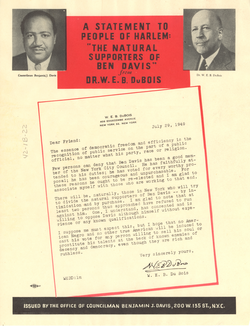
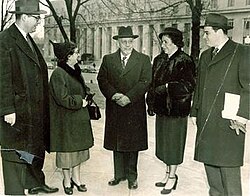
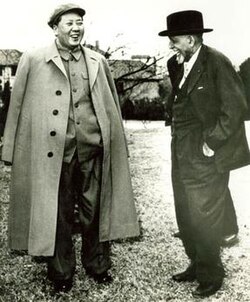
Despite these pressures, he continued his international work, meeting with leaders like Mao Zedong in China and maintaining close ties with Kwame Nkrumah, the first president of Ghana.
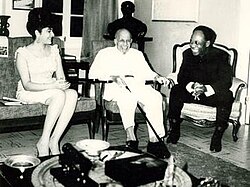
In 1961, Du Bois became a citizen of Ghana, where he spent his final years. He passed away in Accra on August 27, 1963, at the age of 95, leaving behind a legacy of intellectual courage and an unwavering commitment to human rights.
Summary of W. E. B. Du Bois's Life and Work
| Category | Details |
|---|---|
| Education | Fisk University (BA), Harvard University (AB, MA, PhD) |
| Major Works | The Souls of Black Folk, Black Reconstruction in America, Darkwater |
| Key Organizations | NAACP, Niagara Movement, Peace Information Center |
| Key Awards | Spingarn Medal (1920), Lenin Peace Prize (1959) |
| Citizenships | United States, Ghana (from 1961) |
Frequently Asked Questions
What was the "Talented Tenth"?
The "Talented Tenth" was Du Bois's belief that a small, highly educated elite of African Americans would lead the race toward social and political equality through intellectual leadership and professional achievement.
How did Du Bois differ from Booker T. Washington?
While Washington emphasized economic self-reliance and vocational training while accepting temporary segregation, Du Bois demanded immediate civil rights, political power, and access to higher education.
What is "double consciousness"?
Introduced in The Souls of Black Folk, double consciousness refers to the internal struggle of African Americans who must view themselves through their own eyes while simultaneously seeing themselves through the eyes of a society that views them with contempt.
Why did W. E. B. Du Bois move to Ghana?
Du Bois's lifelong commitment to Pan-Africanism and his disillusionment with the political climate of the United States during the Cold War led him to accept Ghanaian citizenship in 1961 and spend his final years in Accra.
What was the role of The Crisis magazine?
As the official organ of the NAACP, The Crisis served as a vital platform for documenting racial injustice, promoting Black art and literature, and mobilizing the public against lynching and segregation.