Polyandry: History, Types, and Cultural Practices
Polyandry (derived from the Ancient Greek polú meaning 'many' and anḗr meaning 'man') is a form of polygamy in which a woman takes two or more husbands simultaneously. While less common than polygyny—where one man has multiple wives—polyandry appears across various global cultures and historical periods. In its broadest sense, the term can refer to sexual relations with multiple males, whether within a formal marriage structure or outside of it.
Anthropological data highlights the rarity of this practice compared to other marital forms. In the 1980 Ethnographic Atlas, which listed 1,231 societies, only four were identified as practicing polyandry. However, more recent studies suggest it is more prevalent than those early figures indicate, particularly in the Himalayan region and other isolated societies.

Key Facts
- Definition: A marital system where one woman has multiple husbands.
- Prevalence: Most common in the Himalayan regions of Tibet, Nepal, and Bhutan.
- Fraternal Polyandry: A specific type where a woman marries a group of brothers.
- Partible Paternity: A belief found in some Amazonian cultures that a child can have multiple biological fathers.
- Legal Status: Historically banned in places like Sri Lanka (1859) and ancient Lagash.
Types and Classifications of Polyandry
Researchers categorize polyandry based on the relationship between the husbands and the nature of the union.
Fraternal Polyandry
This is the most recognized form, where a woman marries two or more brothers. This practice is often used as a strategy to keep family land intact rather than dividing it among heirs.
Successional and Associated Polyandry
Successional polyandry occurs when a woman takes a new husband after the death of a previous one, while associated polyandry involves husbands who are not necessarily related but share a domestic bond with the wife.
Partible Paternity
Distinct from legal marriage, partible paternity is a cultural belief that a child's biological makeup is contributed by more than one father. This concept has been observed in up to 70 percent of Amazonian cultures.
Global Cultural Distribution
Asia
Polyandry has deep roots in Asia, particularly in the highlands. In Tibet, it remains a known practice; a 1988 Tibet University survey found that 13% of 753 families practiced it. In some villages in Nyarixung Township, Xigaze, the rate was reported as high as 90% in 2008. It is also found among the Sherpas and in parts of India, including Ladakh, Zanskar, Rajasthan, and the Jaunsar-Bawar region of Uttarakhand.
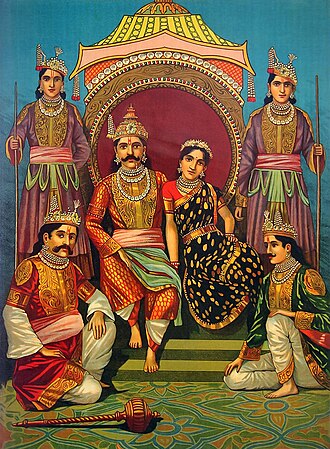
Historically, polyandry was common in Sri Lanka until the British banned it in 1859. In ancient Mesopotamia, during the reign of Urukagina of Lagash, "dyandry" (marriage to two men) was abolished.
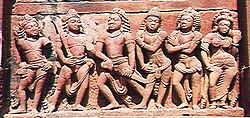
Africa and the Americas
In the Lake Region of Central Africa, polyandry was historically more common than polygyny. In North America, records indicate the practice among the Inuit and 19th-century Aleut people. In South America, the Bororos and Tupi-Kawahib have practiced fraternal polyandry.
Europe
Ancient records from Polybius suggest that polyandry prevailed among the Lacedaemonians (Spartans). Additionally, Roman epigraphic evidence, such as the sepulchral inscription for Allia Potestas, provides historical glimpses into these arrangements.

Religious Perspectives and History
Religious attitudes toward polyandry vary significantly. In Islam, polyandry is strictly prohibited; Muslim women are permitted only one husband at a time.
Within the Latter-Day Saint movement, prominent early figures including Joseph Smith and Brigham Young practiced religious polyandry in the mid-1800s. This practice was partially ended by the 1890 Manifesto and completely discontinued by the 1904 Second Manifesto, though some existing marriages continued into the 1950s.
Summary of Polyandrous Practices
| Region | Specific Groups/Locations | Notes |
|---|---|---|
| Asia | Tibet, Nepal, Bhutan, India | Often fraternal; used for land preservation. |
| South America | Bororos, Tupi-Kawahib | Includes beliefs in partible paternity. |
| Africa | Central Africa Lake Region | Historically more common than polygyny. |
| North America | Inuit, Aleut | Documented in 19th-century records. |
| Europe | Ancient Lacedaemonians | Reported by historian Polybius. |
Frequently Asked Questions
What is the difference between polyandry and polygyny?
Polyandry is when one woman has multiple husbands, whereas polygyny is when one man has multiple wives.
Why is fraternal polyandry practiced in the Himalayas?
It is often practiced to prevent the fragmentation of family land, ensuring that the estate remains whole rather than being split among brothers.
What is partible paternity?
Partible paternity is the cultural belief that a single child can have more than one biological father, a concept found in various Amazonian cultures.
Is polyandry permitted in Islam?
No, polyandry is not permitted in Islam; women are restricted to one husband at a time.
Did the LDS Church practice polyandry?
Yes, some early leaders practiced it in the mid-1800s, but the practice was officially discontinued by the Second Manifesto in 1904.