Vocalion Records: A Legacy of Jazz and Blues
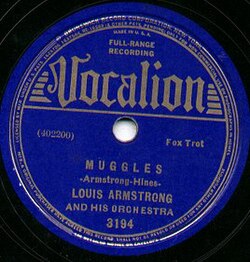
In the early 20th century, the recording industry was a frontier of musical discovery. Among the most influential players was Vocalion Records, an American label that played a pivotal role in documenting the evolution of jazz and blues. From its origins as a subsidiary of a piano manufacturer to its status as a budget reissue label, Vocalion's journey reflects the broader shifts in the music business over several decades.
Key Facts
- Founded: 1916 by the Aeolian Company.
- Primary Genres: Jazz and Blues.
- Notable Artists: Robert Johnson and Jim Jackson.
- Key Transitions: Acquired by Brunswick in 1924 and later by CBS in 1938.
- Modern Parentage: Now associated with MCA Records, PolyGram, and Universal Music.
The Early Years and the Aeolian Era
Vocalion Records was established in 1916 by the Aeolian Company, a firm primarily known for manufacturing pianos and organs. Originally launched as Aeolian-Vocalion, the company utilized the brand to sell both records and phonographs—the early mechanical devices used for playing recorded sound. Over time, the "Aeolian" prefix was dropped, leaving the streamlined Vocalion name.
The label's trajectory changed significantly in late 1924 when it was acquired by Brunswick Records, expanding its reach and recording capabilities.
Pioneering the "Race Records" Series
During the 1920s, Vocalion became a trailblazer in the recording of African American music through its 1000 race series. "Race records" was a term used at the time to describe recordings specifically marketed to African American audiences.
One of the label's most significant early successes came in 1927 with Jim Jackson's "Jim Jackson's Kansas City Blues." The record sold exceptionally well and evolved into a blues standard, influencing musicians across Memphis and Mississippi. Vocalion also captured the haunting sounds of the Delta blues, issuing the legendary Robert Johnson's "Cross Road Blues."
Corporate Shifts and the CBS Acquisition
By the late 1930s, Vocalion had grown into one of the most popular labels in the industry. However, the corporate landscape shifted in 1938 when the Columbia Broadcasting System (CBS) purchased the American Record Corporation, the entity then operating Vocalion.
The Vocalion brand did not survive long under CBS ownership. In July 1940, the label was discontinued and replaced by the Okeh label. For historians and collectors, the City of London Phonograph & Gramophone Society (CLPGS) has since provided a comprehensive database of British and Australian Vocalion records, including associated labels like Broadcast and World Records.
Mid-Century Resurrection and Budget Reissues
The Vocalion name returned to the market in the late 1950s. American Decca resurrected the label, not as a primary recording house, but as a budget label dedicated to reissuing back-catalog recordings. This version of Vocalion operated until 1973.
Following its closure, Coral Records took over as MCA's budget imprint, ensuring that many Vocalion titles remained available to the public. In 1975, MCA briefly returned to the original branding by reissuing five albums under the Vocalion label.
Vocalion Records Summary
| Period | Ownership/Status | Key Focus/Event |
|---|---|---|
| 1916–1924 | Aeolian Company | Founded as Aeolian-Vocalion; sold phonographs. |
| 1924–1938 | Brunswick / American Record Corp | Launch of 1000 race series; Robert Johnson recordings. |
| 1938–1940 | CBS | Acquired by CBS; replaced by Okeh label in 1940. |
| Late 1950s–1973 | American Decca / MCA | Resurrected as a budget reissue label. |
Frequently Asked Questions
Who founded Vocalion Records?
Vocalion Records was founded in 1916 by the Aeolian Company, a manufacturer of organs and pianos.
What were "race records" in the context of Vocalion?
The 1000 race series consisted of records recorded by and marketed specifically to African American audiences during the 1920s.
Which famous blues artists recorded for Vocalion?
Notable artists include Jim Jackson, whose "Kansas City Blues" became a standard, and Robert Johnson, who recorded "Cross Road Blues" for the label.
What happened to Vocalion in 1940?
After being acquired by CBS via the American Record Corporation, Vocalion was discontinued in July 1940 and replaced by the Okeh label.
Did Vocalion exist after the 1940s?
Yes, American Decca resurrected the name in the late 1950s as a budget label for reissues, which operated until 1973, with a small number of MCA reissues appearing in 1975.