Victoria: Australia's Garden and Education State
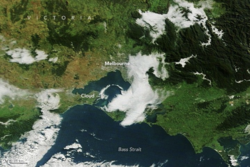
Known by the nicknames The Garden State and The Education State, Victoria is a powerhouse of culture, learning, and natural beauty in southeastern Australia. From the bustling metropolitan hub of Melbourne to the rugged peaks of the Australian Alps, Victoria balances a high-tech modern economy with a deep respect for its colonial and indigenous history.
The state operates under the motto "Peace and Prosperity," reflecting its journey from a British colony to a leading federated parliamentary constitutional monarchy. Today, it stands as one of Australia's most populous and economically significant regions.
Key Facts
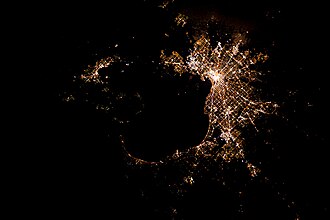
- Capital: Melbourne (the largest city and home to over 75% of the population).
- Population: Approximately 7,074,468 (June 2025 estimate).
- Highest Point: Mount Bogong at 1,986 meters.
- Economy: A GSP of AU$458.895 billion (2020 estimate).
- HDI: 0.954 (ranked 4th), indicating a very high Human Development Index.
- Symbols: The Helmeted honeyeater (bird), Weedy seadragon (fish), and Common heath (flower).
Geography and Climate
Victoria's landscape is diverse, featuring a complex network of river valleys and varied terrain. Major waterways include the Yarra, Murray, Goulburn, and Snowy rivers. The state is divided into several distinct regions, including Gippsland, the Grampians, Mallee, and the Alpine Victoria region, which is renowned for winter sports.
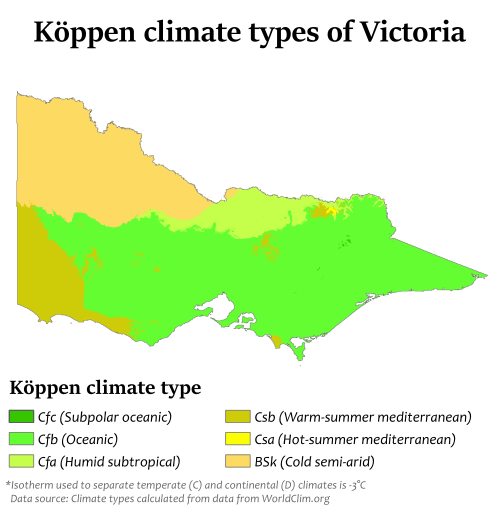
The climate varies significantly across the state. Melbourne experiences temperate conditions, while inland areas like Mildura are considerably hotter. For instance, January average temperatures in Melbourne hover around 25.8°C, whereas Mildura reaches 32.8°C. The state has recorded extreme temperature swings, with a record high of 48.9°C and lows reaching -11.7°C.
Demographics and Society
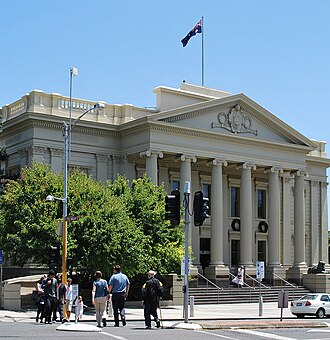
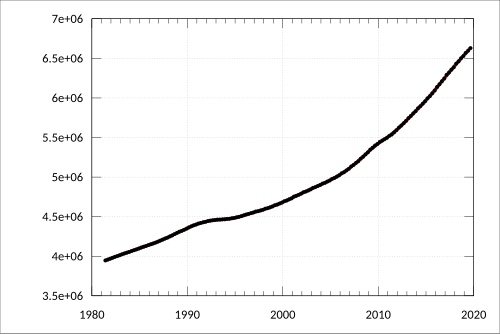
Victoria is a multicultural society with a growing population. As of 2021, the population was 6,547,822, with projections suggesting it could reach over 10 million by 2051. While the majority of residents were born in Australia, there are significant immigrant populations from England, India, China, New Zealand, and Vietnam.
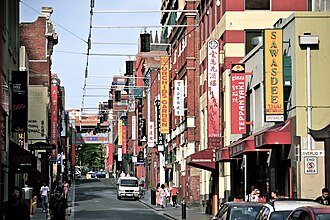
The "average Victorian" is typically 37 years old, female, married with two children, and speaks English at home. Education is a cornerstone of the state's identity; the majority of residents have completed Year 12 or an equivalent qualification.
Urban Centers
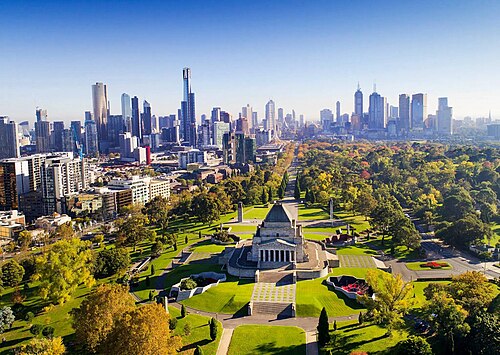
Melbourne is the dominant urban center, but other cities play vital roles in the state's infrastructure. Geelong, Ballarat, and Bendigo serve as major regional hubs, providing essential services and economic activity outside the capital.
Government and Administration
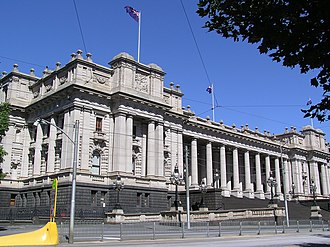
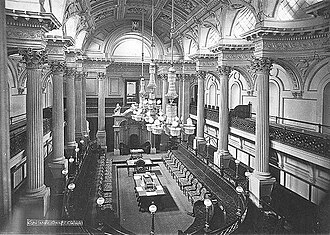
Victoria is governed as a federated parliamentary constitutional monarchy. The state's executive leadership includes the Governor (representing the Monarch) and the Premier. The legislature is bicameral, consisting of the Legislative Council (Upper House) and the Legislative Assembly (Lower House).
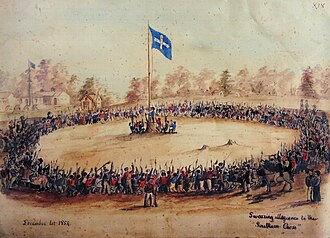
The state is further divided into 79 local government areas to manage community-level services. Historically, the state transitioned from a colony of New South Wales (separating on July 1, 1851) to a self-governing colony before joining the Federation of Australia on January 1, 1901.
Economy and Infrastructure
Victoria possesses a diversified economy. The finance and insurance services sector is the largest contributor to the Gross State Product (GSP) at 12.8%, followed by professional and technical services. Manufacturing and healthcare also represent significant portions of the workforce.
| Economic Sector | GSP Produced | Number of Workers (000s) | % of Workers |
|---|---|---|---|
| Finance & Insurance | 12.8% | 115.5 | 3.8% |
| Professional & Technical | 9.1% | 274.3 | 9.0% |
| Manufacturing | 8.6% | 274.4 | 9.0% |
| Health Care & Social Services | 8.5% | 390.6 | 12.8% |
| Construction | 7.7% | 255.7 | 6.4% |
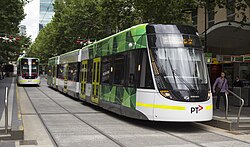
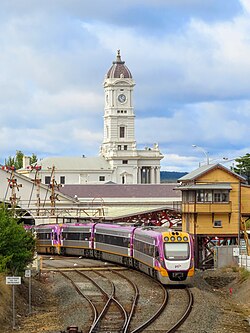
Infrastructure is highly developed, particularly in Melbourne, which features an extensive tram network and the V/Line rail system connecting regional cities like Ballarat.
Education, Culture, and Sport
![The State Library of Victoria is the fourth most visited public library in the world.[68][69]](/images/c9/58/c9582bcc9602a95beb0365fcbd1ceb9f208f31eb8a43bdad049be4a8a8d648d0.jpg)
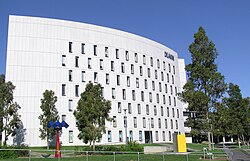
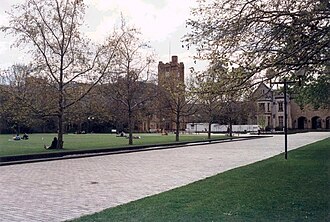
True to its nickname, Victoria is a leader in education. The University of Melbourne is the state's oldest and one of the highest-ranked in the Southern Hemisphere, while Deakin University is noted for high student satisfaction. The State Library of Victoria is among the most visited public libraries globally.
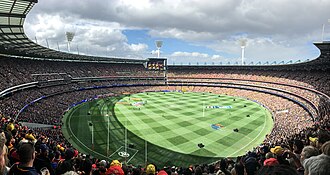
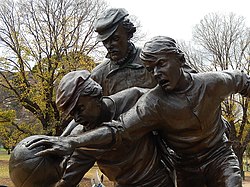
Sport is deeply ingrained in Victorian culture. The state is a hub for Australian rules football, with the Melbourne Cricket Ground (MCG) serving as an iconic venue. Victoria also hosts professional teams in the NBL, BBL, NRL, and A-League.
Frequently Asked Questions
When did Victoria separate from New South Wales?
Victoria officially separated from the colony of New South Wales on July 1, 1851.
What is the highest point in Victoria?
The highest elevation in the state is Mount Bogong, which reaches 1,986 meters.
Which city is the capital of Victoria?
Melbourne is the capital and largest city, housing more than three-quarters of the state's population.
What are the primary economic drivers of the state?
The primary drivers include finance and insurance services, professional and technical services, manufacturing, and healthcare and social services.
What is the significance of the "Education State" nickname?
This nickname reflects Victoria's commitment to learning, evidenced by world-class institutions like the University of Melbourne and the highly visited State Library of Victoria.