Uppsala University: A Legacy of Academic Excellence in Sweden
Founded in 1477, Uppsala University (Latin: Universitas Regia Upsaliensis) stands as a cornerstone of Swedish intellectual life. With a motto, Gratiae veritas naturae ("The truth of nature is grace"), this public research university has evolved over five centuries from a medieval theology school into a world-class institution. Today, it serves as a hub for innovation and research, hosting over 52,000 students across a diverse urban campus in Uppsala.
The university is organized into nine faculties spanning three primary disciplinary domains: Humanities and Social Sciences, Medicine and Pharmacy, and Science and Technology. This structure supports a massive academic community, including over 4,000 full-time equivalent (FTE) academic staff and more than 2,200 doctoral students.
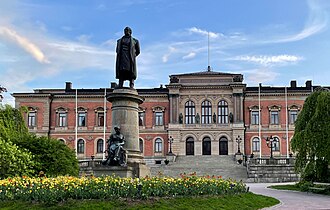
Key Facts
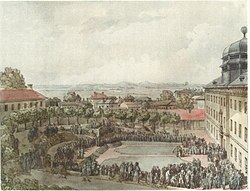
- Established: 1477, making it the oldest university in Sweden.
- Student Population: Approximately 52,241 registered students.
- Global Standing: Ranked 88th in the 2024 ARWU World rankings and 93rd in the 2026 QS World rankings.
- Budget: SEK 7.398 billion.
- Key Facilities: Includes the Carolina Rediviva library and the Uppsala University Hospital.
A Journey Through History
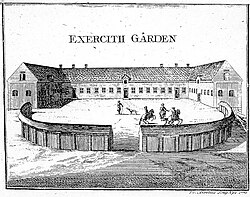
Origins and Turbulent Beginnings
The university's early years were marked by the religious and political upheavals of the 16th century. During the reformation led by King Gustavus Vasa, student numbers dwindled as Uppsala was perceived as a center of Catholicism. Many Swedish students sought education at Protestant universities in Germany, particularly Wittenberg. However, by the end of the century, the university became a bastion of Lutheranism. The Uppsala Synod of 1593 solidified Lutheran orthodoxy in Sweden, and the university received new privileges on August 1 of that year.
Expansion and the Age of Great Power
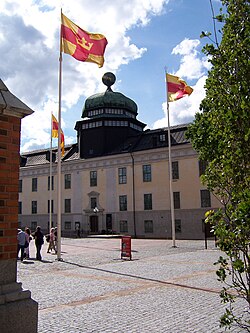
As Sweden emerged as a great power in the 17th century, the demand for skilled civil servants and educators grew. The university expanded beyond theology to meet these administrative needs. This era saw the construction of the Gustavianum between 1622 and 1625, a landmark building named after the reigning king.
Enlightenment and Scientific Progress
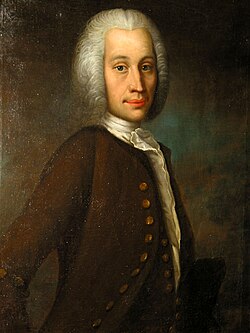
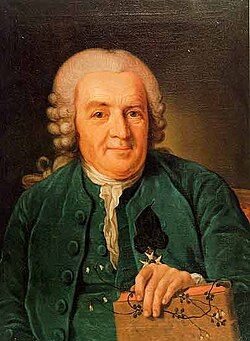
The 18th century brought the Enlightenment, producing legendary figures such as astronomer Anders Celsius and the father of modern taxonomy, Carl Linnaeus. The university's influence extended to the natural sciences and medicine, cementing its reputation as a center for empirical research.
Academic Infrastructure and Campus

The University Library and Hospital
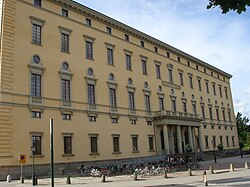
The Carolina Rediviva, completed in 1841 and designed by Carl Fredrik Sundvall, serves as the university's main library. It houses priceless treasures, including the Codex Argentus.

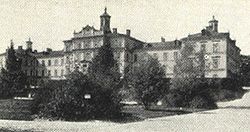
The Uppsala University Hospital (Akademiska sjukhuset) is a critical teaching facility for the Faculty of Medicine and Nursing School. Interestingly, the hospital's origins date back to 1302, predating the university itself.
Campus Layout
The university is integrated into the city of Uppsala, with key sites including:
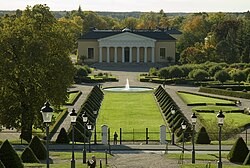
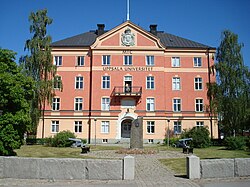
- University Park: Home to the Gustavianum, University Hall, and the Cathedral area.
- West Campus: Featuring the Botanical Garden and the Centre for Evolutionary Biology.
- South Campus: Housing the Biomedical Centre (BMC), the Ångström Laboratory, and the University Hospital.
- Campus Gotland: The university's primary location outside of Uppsala.
Student Life and Traditions
The Nation System
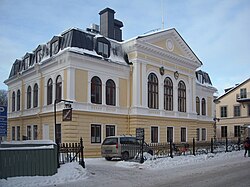
A unique aspect of Uppsala's student culture is the nations—student corporations traditionally based on the student's province of origin. While membership was compulsory until June 2010, nations remain vital social and cultural hubs. Examples include the Gästrike-Hälsinge nation and the Norrlands nation.
Music and Athletics
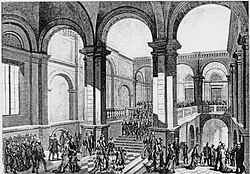
Music is deeply embedded in university life, with the Royal Academic Orchestra (founded 1627) and renowned choirs like Orphei Drängar. Traditions such as the "staircase march" (trappmarschen) highlight the university's ceremonial heritage.
In athletics, the university maintains a friendly rivalry with Lund University, most notably in the annual Uppsala-Lund regatta on the Fyris River, a tradition that began in 1992.
Global Standing and Rankings
Uppsala University is recognized globally for its research output, particularly in the life sciences and medicine. It is a member of prestigious networks such as the Coimbra Group and the Matariki Network of Universities.
| Ranking Body | Overall World Rank | Year/Edition |
|---|---|---|
| ARWU World | 88 | 2024 |
| QS World | 93 | 2026 |
| THE World | 130 | 2025 |
Subject-Specific Excellence
The university excels in several specialized fields, with its highest global rankings in Pharmacy & Pharmacology (24th) and Biological Sciences (52nd). It also maintains strong positions in Environmental Sciences, Chemistry, and Sociology.
Frequently Asked Questions
When was Uppsala University founded?
Uppsala University was established in 1477, making it the oldest university in Sweden.
What are the "nations" at Uppsala University?
Nations are student corporations traditionally organized by the province of origin. They provide social support and cultural activities for students, though membership is no longer compulsory as of 2010.
Who is the current Rector Magnificus?
The current Rector Magnificus of Uppsala University is Anders Hagfeldt.
Which subjects is the university most famous for?
The university is globally renowned for Pharmacy & Pharmacology, Biological Sciences, and Medicine, as well as its historical contributions to astronomy and botany.
Is the university hospital separate from the university?
The Uppsala University Hospital (Akademiska sjukhuset) is run by the Uppsala County Council in cooperation with the university, serving as a primary teaching hospital for the Faculty of Medicine.