United States Navy: A Legacy of Maritime Power and Global Security
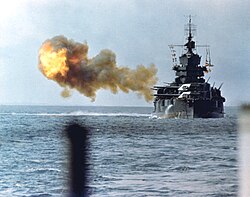
The United States Navy stands as a cornerstone of global maritime security, maintaining a presence across the world's oceans to protect national interests and ensure freedom of navigation. From its humble beginnings as the Continental Navy to its current status as a massive, technologically advanced force, the Navy has played a pivotal role in shaping modern history through naval warfare and strategic deterrence.
Operating under the Department of the Navy within the United States Armed Forces, this branch is dedicated to specialized roles in sea-based combat, power projection, and maritime defense. With a history spanning over two and a half centuries, the Navy continues to evolve, meeting the challenges of both traditional and emerging maritime threats.

Key Facts
- Founded: October 13, 1775 (as the Continental Navy); March 27, 1794 (current form).
- Primary Colors: Blue and gold.
- Mottos: Semper Fortis ("Always Courageous") and Non sibi sed patriae ("Not for self but for country").
- Personnel: Approximately 344,600 active personnel and 57,500 reserve personnel.
- Fleet Strength: Approximately 480 ships total, including 300 deployable vessels.
- Aviation: Over 2,600 aircraft in service.
Historical Evolution
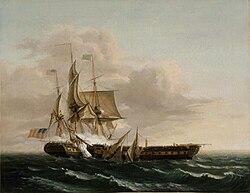
The roots of the U.S. Navy trace back to the American Revolution with the establishment of the Continental Navy in 1775. However, the modern iteration of the service was officially established on March 27, 1794. Since then, the Navy has participated in numerous significant engagements that have defined the nation's standing on the world stage.
Major Historical Engagements
Throughout its history, the Navy has been involved in a wide array of conflicts and operations, ranging from the Spanish-American War to modern-day maritime security missions. Notable historical periods and operations include:
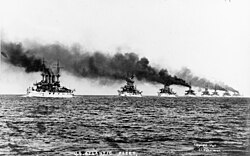
- The Spanish-American War and the occupation of various territories including Nicaragua and Haiti.
- World War II, a defining era for naval power and carrier operations.
- The Cold War and various interventions in the late 20th century, such as the Gulf War and operations in Somalia.
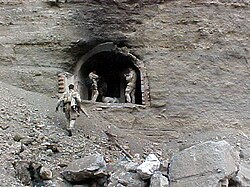
- 21st-century operations, including the conflicts in Afghanistan and various maritime security efforts in the Horn of Africa.
Organization and Operating Forces
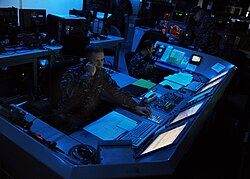
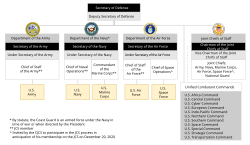
The Navy is a highly structured organization designed for rapid deployment and complex command and control. It is divided into several operating forces that allow for specialized regional and functional management.
The Ten Components of Operating Forces
To maintain global reach, the Navy utilizes ten distinct components:
- United States Fleet Forces Command
- United States Pacific Fleet
- United States Naval Forces Central Command
- United States Naval Forces Europe and Africa
- United States Naval Forces Southern Command
- Naval Network Warfare Command
- The Navy Reserve
- United States Naval Special Warfare Command
- The Operational Test and Evaluation Force
- Military Sealift Command
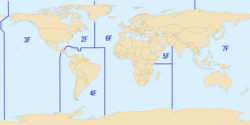
Fleet Responsibilities
The Navy's responsibilities are distributed across various fleets to ensure coverage of all major maritime theaters. While specific areas of responsibility are assigned to fleets like the Pacific Fleet and the Fleet Forces Command, the organization is designed to respond to threats anywhere on the globe.
Naval Assets and Equipment
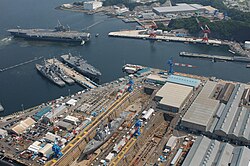
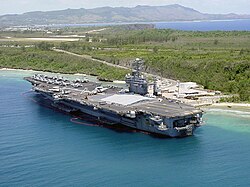
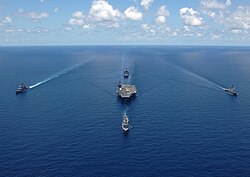
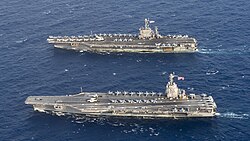
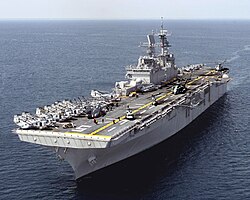
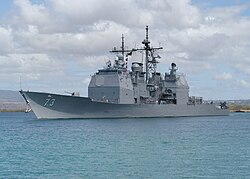
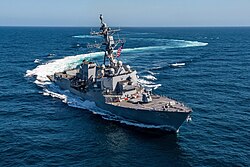
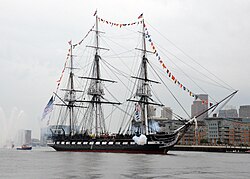
The strength of the Navy is reflected in its diverse array of vessels and aircraft. From massive aircraft carriers that serve as floating airbases to stealthy submarines capable of deep-sea operations, the Navy's equipment is designed for multi-domain dominance.
Ship Types and Capabilities
The fleet includes a wide variety of specialized ships, such as:
- Aircraft Carriers: The centerpiece of naval aviation power.
- Cruisers and Destroyers: Versatile combatants used for air defense, surface warfare, and anti-submarine warfare.
- Amphibious Warfare Ships: Designed to transport and land Marines and equipment.
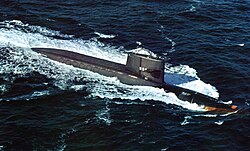
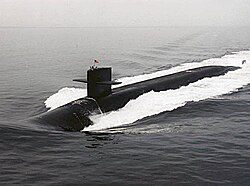
- Submarines: Including ballistic missile submarines for strategic deterrence.
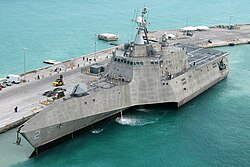
- Littoral Combat Ships: Built for operations in near-shore environments.
Naval Aviation
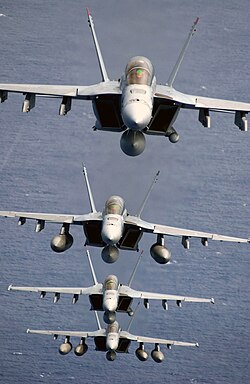
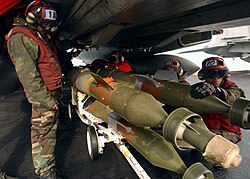
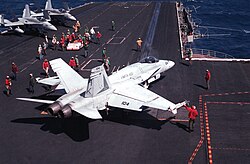
Naval aviation is a critical component of modern sea power. Aircraft launched from carrier decks provide essential air cover, strike capabilities, and reconnaissance. The Navy maintains a massive inventory of aircraft, including advanced fighter jets and specialized support planes.
Personnel and Rank Structure
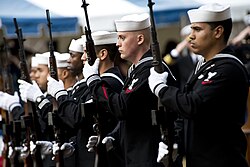
The Navy is composed of a diverse workforce including commissioned officers, warrant officers, and enlisted personnel. Each group has a specific role and a distinct hierarchy defined by pay grades and insignia.
Officer and Enlisted Hierarchy
The leadership structure is rigorous, ensuring clear lines of authority during both peacetime and combat operations. Commissioned officers range from Ensigns to Fleet Admirals, while the enlisted ranks include everything from Seamen to the Master Chief Petty Officer of the Navy.
Summary of Navy Structure and Scale
| Category | Details |
|---|---|
| Active Personnel | 344,600 |
| Reserve Personnel | 57,500 |
| Civilian Employees | 210,024 |
| Total Ships | 480 |
| Deployable Ships | 300 |
| Aircraft | 2,623 |

Frequently Asked Questions
When was the United States Navy founded?
The Continental Navy was established on October 13, 1775. The modern U.S. Navy was established on March 27, 1794.
What are the primary colors of the Navy?
The official colors of the United States Navy are blue and gold.
What is the role of the Navy Reserve?
The Navy Reserve provides trained and ready personnel to support the active-duty Navy during times of conflict, national emergencies, or for specific mission requirements.
What are the main areas of responsibility for the Navy?
The Navy's primary responsibilities include naval warfare, maritime security, and protecting national interests through sea-based power projection.
How is the Navy organized into fleets?
The Navy is organized into several major commands, including the Pacific Fleet, Fleet Forces Command, and various regional commands like Naval Forces Europe and Africa, to manage specific geographic areas of responsibility.