United Nations Membership: Evolution, Rules, and Global Representation
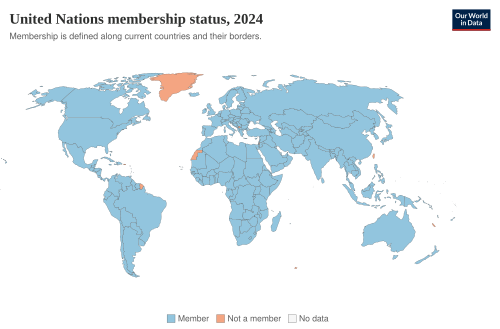
The United Nations (UN) stands as the world's largest intergovernmental organization, serving as a central forum for international cooperation. Currently, the organization comprises 193 sovereign states, all of whom hold equal representation within the United Nations General Assembly. From its inception in the aftermath of World War II to its modern-day expansion, the composition of the UN has shifted alongside the changing landscape of global geopolitics.
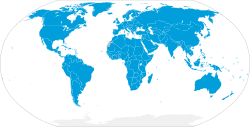
Membership is not merely a matter of joining; it is governed by a strict legal framework. The Charter of the United Nations—the foundational treaty of the organization—outlines the specific rules for admission. To become a member, a state must be able to implement the terms of the Charter and accept its obligations. The process requires a formal recommendation from the United Nations Security Council before a state can be admitted.
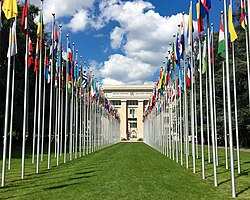
Key Facts
- The UN officially came into existence on 24 October 1945.
- There are currently 193 member states.
- The organization includes two non-member observer states: the Holy See and Palestine.
- All member states have equal representation in the General Assembly.
- New members must be recommended by the Security Council.
The Foundation: Original Members
The UN was established following the ratification of its Charter by the five permanent members of the Security Council—the Republic of China, France, the Soviet Union, the United Kingdom, and the United States—along with a majority of other signatories. A total of 51 founding members joined in 1945. While 50 signed the Charter during the conference in San Francisco on 26 June 1945, Poland signed on 15 October 1945, despite not being represented at the initial conference.
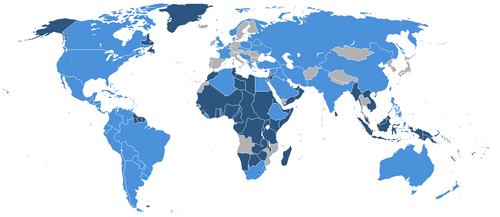
It is important to note that several original members were not fully sovereign at the time of their admission and only achieved complete independence in later years.
Membership Dynamics: Changes and Transitions
The membership of the UN is dynamic, reflecting the rise and fall of nations, the merging of states, and the dissolution of empires. These transitions can be categorized into several historical phenomena.
States That No Longer Exist
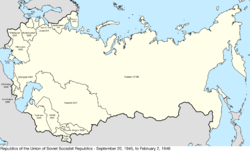
History has seen many entities hold UN membership only to undergo significant political changes. For example, the Soviet Union (USSR) was an original member and a permanent Security Council member. Upon its dissolution in 1991, the Russian Federation continued its membership, supported by the other 11 states of the Commonwealth of Independent States. Other former Soviet republics, such as Ukraine and Belarus, were admitted as independent states.
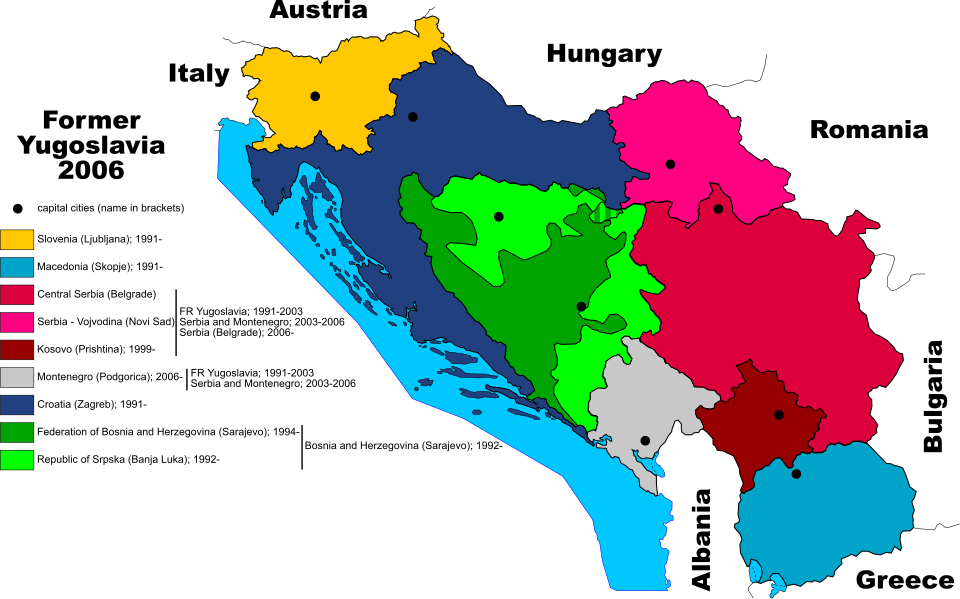
Similarly, the Socialist Federal Republic of Yugoslavia disintegrated in the early 1990s. This process resulted in the creation of several independent states, which were subsequently admitted to the UN. By 2006, six UN member states existed within its former territory.
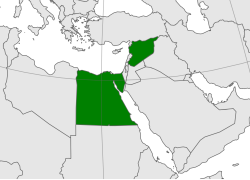
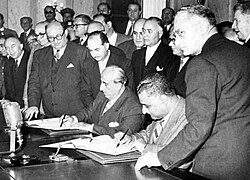
Other notable examples include the United Arab Republic, a brief union between Egypt and Syria (1958–1961), and the merger of Tanganyika and Zanzibar to form the United Republic of Tanzania in 1964.
The Case of the Republic of China
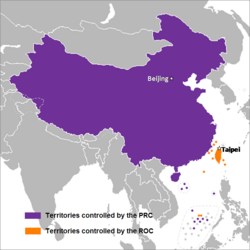
One of the most significant shifts in UN history occurred in 1971. Through General Assembly Resolution 2758, the People's Republic of China was recognized as the legitimate representative of China, effectively replacing the Republic of China (which controlled Taiwan). This transition was not a formal expulsion under Article 6 of the Charter, as that would have required a Security Council vote and was subject to potential vetoes.
Suspension, Expulsion, and Withdrawal
The UN Charter provides mechanisms for dealing with members that violate its principles. Under Article 6, a member state that persistently violates the principles of the Charter can be expelled. However, such an action requires approval from the Security Council.
In 1974, the Security Council considered expelling South Africa due to its apartheid policies. While the resolution failed due to vetoes from France, the United Kingdom, and the United States, the General Assembly responded by suspending South Africa from participating in its work. This suspension lasted until 1994, when South Africa was welcomed back following successful democratic elections.
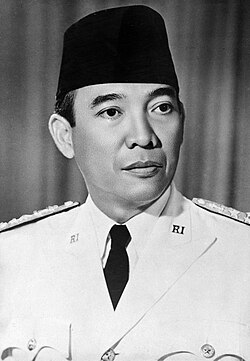
While expulsion is a formal process, withdrawal is rare. The only recorded instance of a member attempting to withdraw was by Indonesia in 1965; however, the country rejoined the UN just one year later.
Observers and Non-Members
Beyond full membership, the UN recognizes observer states. These entities participate in the work of the General Assembly but do not hold voting rights. The Holy See has been a non-member observer since 1964 and has held most rights of membership, excluding voting, since 2004. Palestine also holds observer status.
Summary of Membership Transitions
| Former Entity | Period of UN Membership | Outcome/Successor States |
|---|---|---|
| Soviet Union (USSR) | 1945–1991 | Russian Federation and 14 other independent states |
| Czechoslovakia | 1945–1992 | Czech Republic and Slovakia |
| Yugoslavia | 1945–2006 | Multiple states (including Serbia and Montenegro) |
| United Arab Republic | 1958–1961 | Egypt and Syria |
| Tanganyika & Zanzibar | 1961–1964 | United Republic of Tanzania |
Frequently Asked Questions
How does a country become a member of the United Nations?
A country must be able to fulfill the obligations of the UN Charter and accept its terms. The process requires a recommendation from the UN Security Council followed by admission.
What is the difference between a member state and an observer state?
Member states have full participation rights, including voting in the General Assembly. Observer states, such as the Holy See and Palestine, can participate in many activities but do not have the right to vote.
Can a country be expelled from the United Nations?
Yes. According to Article 6 of the UN Charter, a member state that persistently violates the principles of the Charter can be expelled, provided the Security Council approves the action.
Has any country ever left the United Nations?
Indonesia is the only country that attempted to withdraw from the UN, doing so in 1965. It rejoined the organization one year later.
What happened to the Republic of China's membership?
In 1971, the UN General Assembly adopted Resolution 2758, which recognized the People's Republic of China as the legitimate representative of China, effectively replacing the Republic of China in the UN.