Ukrainian Rock: A History of Resistance, Culture, and Evolution
Ukrainian rock is more than just a musical genre; it is a sonic chronicle of the nation's journey toward identity and independence. From the clandestine "beat" gatherings of the 1950s to the global stages of modern metal, rock music in Ukraine has evolved from a controlled Soviet experiment into a powerful medium of artistic and social expression.
The roots of contemporary Ukrainian music lie in the VIA (vocal-instrumental ensemble) scene of the 1970s and 1980s. These ensembles were created as a state-sanctioned response to the "infiltration" of Western rock and roll into the Ukrainian Soviet Socialist Republic. However, beneath this controlled surface, musicians began blending global trends with national motifs, setting the stage for a revolution in sound.
Key Facts
- Origins: Emerged from 1950s beat music and the subsequent state-controlled VIA ensembles.
- Catalyst: The Chervona Ruta festival played a pivotal role in popularizing rock and national identity.
- Diversity: Spans a wide spectrum from pop-rock (Okean Elzy) to extreme metal (Jinjer, Drudkh).
- Social Role: Modern Ukrainian rock serves as a tool for social mobilization and cultural preservation during the Russo-Ukrainian War.
- Major Hubs: Kyiv and Lviv historically served as the primary centers for musical innovation and resistance.
The Early Era: Beat Music and the VIA System
The journey began in the late 1950s with the spread of beat music—a term that became synonymous with rock 'n' roll in the Soviet Union. During the Khrushchev Thaw, youth collectives emerged as a compromise between the official ban on "bourgeois" Western music and the public's demand for modern entertainment.
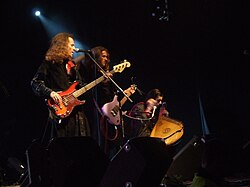
In the 1960s, bands like Berezen', Dzvony, and Chervoni Dyiavoliata in Kyiv, and Lysy and Prometey in Lviv, began performing in the Ukrainian language. These artists often integrated traditional instruments such as the sopilka (flute), tsymbaly (hammered dulcimer), and bandura (lute-harp), blending folk elements with jazz rock.
By the late 1960s, the state began a crackdown. Following the Soviet invasion of Czechoslovakia, authorities labeled rock musicians as "wreckers." This led to the rise of the VIA system in the 1970s. Unlike the early beat bands, VIA ensembles were officially registered, performed in state halls, and were subject to strict regulations regarding their repertoire and formal attire. Despite these constraints, they introduced elements of funk and fusion to Ukrainian audiences.
Resistance and the Rise of the Underground
Lviv became a bastion of artistic resistance in the 1970s. The hard rock band Super Vujky, formed in 1974, became popular among the local hippie community by performing covers of British giants like Led Zeppelin and Deep Purple before creating their own original material. Though forced to disband in 1981, they eventually reunited decades later.
A defining figure of this era was Volodymyr Ivasiuk. His songs, "Chervona Ruta" and "Vodohray," won the Pesnya goda festival in Moscow in the early 1970s, making him a superstar across the USSR. However, his use of national motifs drew the ire of Soviet officials. His suspicious death in 1979 became a symbol of defiance against the regime.
The 1980s: Perestroika and Glasnost
The mid-1980s brought a shift under Mikhail Gorbachev's policies of glasnost (openness) and uskoreniye (acceleration). Ukrainian rock began to adopt the sounds of punk, post-punk, and alternative rock, often embedding covert protests against the Soviet system. The creation of the "Kuznia" rock club in Kyiv in 1986 provided a vital space for bands to rehearse and exchange ideas.
The 1989 Chervona Ruta festival in Chernivtsi was a watershed moment. Dedicated to the memory of Volodymyr Ivasiuk and featuring exclusively Ukrainophone performers, it launched the careers of influential acts like Vopli Vidopliassova and Komu Vnyz.
Modern Evolution: From the 1990s to the Present
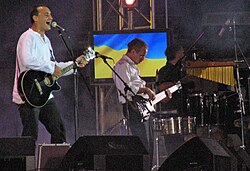
The 1990s saw the emergence of a new generation of artists. Bands like Opalnyi Prynz and the Vyvykh festival in Lviv used music as a vivid expression of protest during the Ukrainian independence movement. This era also saw the rise of Okean Elzy, which became one of the most successful pop-rock acts in the country.
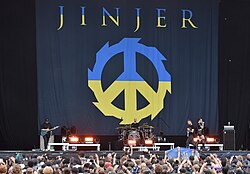
In the 21st century, the scene expanded into a diverse ecosystem of festivals, such as Kraina Mriy and Zaxidfest. Ukrainian rock has also found global success in the heavy metal genre, with bands like Jinjer gaining international acclaim for their technical proficiency.
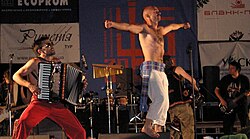
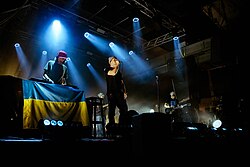
Since the start of the Russo-Ukrainian War, music has taken on a critical social role. Concerts frequently serve as charity events to support the Armed Forces and refugees, while rock music acts as a cultural shield against propaganda.
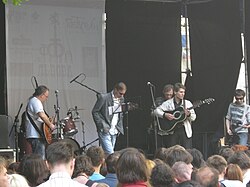
Summary of Ukrainian Rock Genres and Notable Acts
| Genre | Notable Bands/Artists |
|---|---|
| Pop Rock | Okean Elzy, BoomBox, Druha Rika, Skriabin |
| Folk Rock/Metal | Haydamaky, Mandry, Vopli Vidopliassova, Tin Sontsia |
| Punk Rock | Braty Hadiukiny, Mad Heads XL, Flit |
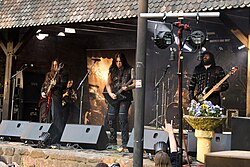
| Heavy/Death/Black Metal | Jinjer, Drudkh, Nokturnal Mortum, Fleshgore |
| Art/Gothic Rock | Eney, Mertvyi Piven, Komu Vnyz, Viy |
| Rap Rock | Tartak, TNMK |
Frequently Asked Questions
What was the VIA music scene?
VIA stands for Vocal-Instrumental Ensemble. These were state-sanctioned musical groups in the 1970s and 80s that served as a controlled alternative to Western rock and roll, requiring official registration and adhering to strict repertoire and dress codes.
Why was the Chervona Ruta festival so important?
The 1989 Chervona Ruta festival was a landmark event because it featured exclusively Ukrainophone performers, promoting national identity and providing a platform for the first wave of independent Ukrainian rock bands.
Who is Volodymyr Ivasiuk?
Volodymyr Ivasiuk was a prolific Ukrainian composer and songwriter whose hits like "Chervona Ruta" became legendary across the USSR. His struggle with Soviet censorship and his suspicious death in 1979 made him a symbol of national resistance.
How has the Russo-Ukrainian War affected the music scene?
The war has shifted many musical events toward social and charitable goals, with performances raising funds for the military and refugees. Music is now used as a tool for cultural diplomacy and to counter foreign propaganda.
Which Ukrainian rock bands are internationally recognized?
While many bands have regional success, Okean Elzy is widely known in Eastern Europe, and metal bands like Jinjer have achieved significant global popularity, performing at major festivals like Wacken Open Air.