Highway 61 Revisited: Bob Dylan's Electric Masterpiece
Released on August 30, 1965, Highway 61 Revisited stands as a pivotal moment in music history. Moving beyond his acoustic roots, Bob Dylan embraced a high-energy blend of folk rock, blues rock, and rock and roll. Recorded at Columbia Studio A in New York City, the album captures a period of intense creative transition, blending poetic lyricism with a raw, electric sound that challenged the conventions of the era.
Key Facts
- Release Date: August 30, 1965
- Recording Period: June 16 – August 4, 1965
- Primary Genre: Folk rock, blues rock, and rock and roll
- Lead Single: "Like a Rolling Stone" (Released July 20, 1965)
- Chart Peak: Reached #3 on the US Billboard Top LPs and #4 on the UK Albums Chart
- Total Length: 51 minutes and 26 seconds
The Recording Process
The album was produced by Bob Johnston and Tom Wilson, with the sessions split into two primary windows. The first took place on June 15 and 16, and the second ran from July 29 to August 4. These sessions were characterized by a spirit of experimentation and serendipity.
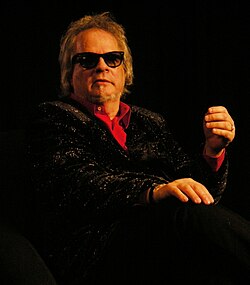
One of the most famous examples of this was Al Kooper's improvised organ riff on "Like a Rolling Stone," a moment often cited as a peak of pop music serendipity.
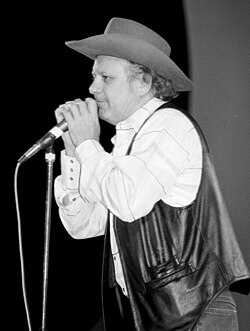
The album's sonic texture was further enriched by a diverse group of session musicians. For instance, the final track, "Desolation Row," featured guitar flourishes from Nashville musician Charlie McCoy, who happened to be visiting New York at the time.
Track Analysis and Structure
The album is divided into two distinct sides, each contributing to the narrative and atmospheric weight of the record.
Side One
Side one is anchored by the groundbreaking "Like a Rolling Stone," followed by the biting "Tombstone Blues," the rhythmic "It Takes a Lot to Laugh, It Takes a Train to Cry," the eccentric "From a Buick 6," and the surreal "Ballad of a Thin Man."
Side Two
The second half continues with the melodic "Queen Jane Approximately," the title track "Highway 61 Revisited," the introspective "Just Like Tom Thumb's Blues," and concludes with the epic, 11-minute "Desolation Row."

The Cutting Edge and Outtakes
In 2015, Dylan provided a deep dive into the album's creation with The Bootleg Series Vol. 12: The Cutting Edge. The Collector's Edition of this release consists of 18 discs, documenting every note, alternate take, and lyric recorded during the 1965–1966 sessions.
Notably, this collection includes fifteen takes of "Like a Rolling Stone" and four instrumental stem tracks (isolated audio tracks for specific instruments) from the master take, allowing listeners to hear the individual contributions of Mike Bloomfield's guitar, the drums, the organ, and Dylan's vocals and piano.
Legacy and Live Performance
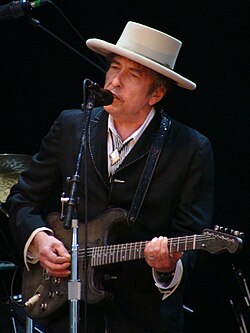
Highway 61 Revisited has maintained a permanent place in Dylan's live repertoire. Since the start of his Never Ending Tour in June 1988, Dylan has performed these songs thousands of times.
The album received critical acclaim across the board, earning perfect or near-perfect scores from publications like The Great Rock Discography and MusicHound Rock.
| Category | Details / Statistics |
|---|---|
| Studio | Columbia Studio A, New York City |
| Producers | Bob Johnston, Tom Wilson |
| "Like a Rolling Stone" Live Plays | Over 2,000 times |
| "Highway 61 Revisited" Live Plays | Over 1,700 times |
| "Ballad of a Thin Man" Live Plays | Over 1,000 times |
| US Billboard Peak | #3 |
Frequently Asked Questions
Who produced Highway 61 Revisited?
The album was produced by Bob Johnston, while Tom Wilson is credited as the producer for the hit single "Like a Rolling Stone."
What is the significance of The Cutting Edge release?
Released in 2015 as part of the Bootleg Series, it provides an exhaustive archive of the recording process, including every take and alternate lyric from the 1965–1966 sessions.
Which song on the album is the longest?
The closing track, "Desolation Row," is the longest song on the album, with a duration of 11 minutes and 21 seconds.
How many times has Bob Dylan performed "Like a Rolling Stone"?
According to his official website, Bob Dylan has performed "Like a Rolling Stone" more than 2,000 times in concert.
What genres are represented on the album?
The album is a blend of folk rock, blues rock, and rock and roll.